 St. Petersburg Siding
 Exterior Work for Pinellas Point Homes
Pinellas Point sits at the southern tip of St. Petersburg, with water on multiple sides and open exposure to Tampa Bay and Boca Ciega Bay. That location is part of what makes the neighborhood desirable, and it's also exactly why the exteriors of homes there work harder than exteriors just a few miles inland. Salt-laden air moves off the water and settles on siding, trim, and fasteners every day of the year, not just during storm season. Add in Florida's intense year-round UV load, sudden heavy downpours, and the wind that comes with being close to open water, and you have a climate that tests exterior materials constantly.
We work on homes throughout this part of St. Petersburg and Pinellas County, and we've built our approach around what actually holds up here — not just what's cheapest to install or easiest to source. That's the reasoning behind standardizing on James Hardie fiber cement siding for every siding job we do, and it shapes how we handle roofing, windows, and decks as well.
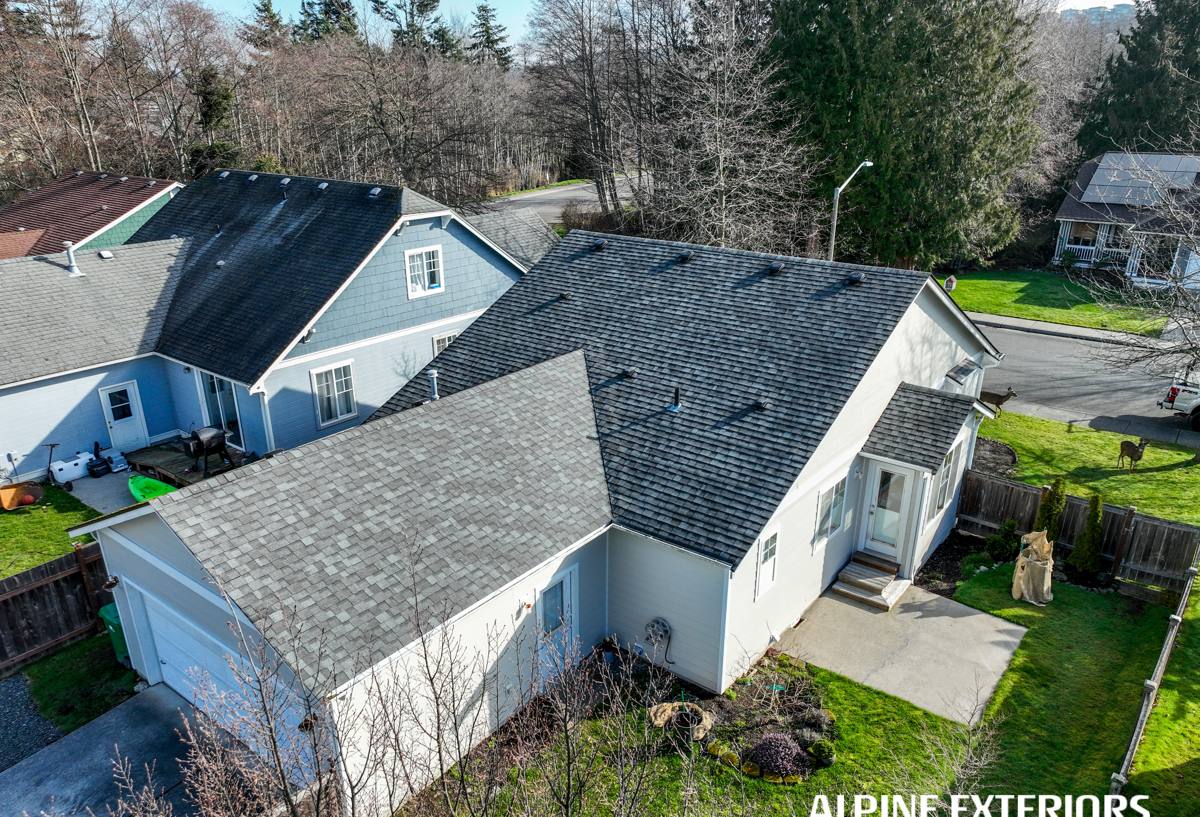
What Salt Air, Sun, and Wind-Driven Rain Do to a House
Salt Air and Corrosion
Salt is corrosive to metal fasteners, flashing, and hardware, and it accelerates the breakdown of many finishes. Materials that aren't engineered to resist salt exposure can show pitting, staining, or premature wear years before they would in a drier, inland climate. This isn't unique to Pinellas Point, but the neighborhood's proximity to open water means the effect is more constant and more pronounced than in much of the rest of the metro area.
UV Exposure
Florida sun is intense for most of the year. Paint and coatings that aren't formulated for sustained UV exposure fade, chalk, and break down faster here than manufacturers' general warranty language sometimes suggests. Siding finishes take the brunt of this because they're the largest exposed surface on the house.
Wind-Driven Rain and Moisture
Pinellas Point homes deal with sudden, heavy tropical downpours combined with wind that can drive rain sideways into wall assemblies. Materials that absorb and hold moisture, or installations with weak flashing and sealant details, are where water intrusion problems start. This is a moisture and wind climate more than a "hot weather" climate, and the exterior has to be built with that distinction in mind.
Storm-Force Wind
Hurricane season brings the additional risk of sustained high winds and wind-borne debris. Siding, roofing, and window systems all need to be installed to hold up under uplift and impact loads, not just look good on a calm day.
Why We Only Install James Hardie Fiber Cement Siding
We don't install vinyl, LP SmartSide, Cemplank, Allura, or primed wood siding like spruce or cedar. That's a deliberate standard, not a lack of options, and it's worth explaining honestly.
Vinyl siding is affordable and low-maintenance in mild climates, but it's a petroleum-based product that softens in extreme heat and can become brittle with long-term UV exposure — both conditions Pinellas Point sees regularly. It can also warp or distort in high heat and is more vulnerable to wind damage in named storms than heavier materials.
Wood-based and engineered wood products like LP SmartSide use treated wood strand technology that resists moisture reasonably well when maintained, but they still rely on an intact factory coating and careful caulking at every seam and cut edge. In a climate with this much sustained humidity, salt exposure, and heavy rain, any gap in that maintenance schedule shortens the material's working life. Primed spruce or cedar siding requires even more ongoing homeowner maintenance — regular repainting and caulk inspection — to keep moisture out long-term.
Other fiber cement brands like Cemplank and Allura are legitimate fiber cement products, and fiber cement as a category is the direction we believe coastal Florida homes should go. But we've standardized specifically on James Hardie because of its ColorPlus factory-baked finish (engineered to resist fading and chipping better than field-applied paint), its HardieZone HZ10 product engineering for humid, high-UV climates like ours, and a manufacturer warranty structure that's transferable and well-documented. Consistency in the product line also means our crews install one system extremely well, rather than switching between products and installation specs from job to job.
None of this means other products are unusable — many homes around the country are sided in vinyl or engineered wood and do fine. It means that for a peninsula neighborhood dealing with salt air, sustained UV, and hurricane-season wind and rain, we think fiber cement — and specifically Hardie's version of it — is the better long-term investment, and we'd rather do one thing exceptionally well than offer a menu of products we don't fully stand behind.
James Hardie Product Lines for This Climate
Hardie makes several siding profiles, and most Pinellas Point homes end up choosing between a few common options depending on the look they want and the age or style of the house:
- HardiePlank lap siding — the most common choice, available in several textures and exposure widths, works well on both older ranch-style homes and newer construction in the area
- HardieShingle — a shingle-style profile for homes wanting a more textured, coastal or cottage look
- HardiePanel — vertical panel siding, often used as an accent on gables or modern-style facades
- HardieTrim — matching trim boards that hold up to the same salt and UV exposure as the field siding, so trim doesn't become the weak point
ColorPlus finishes come in a range of factory colors designed to hold their finish longer than field-painted siding, which matters in a climate where repainting every few years is otherwise the norm.
Roofing, Windows, and Decks — Handled as One System
Siding doesn't work in isolation. On a home exposed to this much sun, salt, and wind-driven rain, the roof, windows, and siding all need to work together to keep water out and hold up under wind load.
Roofing
We handle roof installation and repair alongside siding work because roof-to-wall flashing details are one of the most common places water intrudes during wind-driven rain. Getting siding and roofing coordinated at those transitions matters more than treating them as separate projects.
Windows
Window replacement in this area should account for both energy performance in intense sun and wind resistance for storm season. Proper flashing and sealing around window openings is also critical to keeping the wall assembly behind new siding dry.
Decks
Outdoor living is a big part of why people choose to live in a waterfront-adjacent neighborhood like Pinellas Point. Decking materials in this climate face the same UV and moisture stress as siding, and we build and repair decks with materials and fastening details suited to sustained sun and coastal humidity.
Material Comparison for This Climate
| Material | Salt Air Resistance | UV/Fade Resistance | Moisture Behavior | Maintenance |
|---|---|---|---|---|
| James Hardie Fiber Cement | Strong, non-combustible, engineered for humid climates | ColorPlus factory finish resists fading | Does not absorb moisture like wood | Low — occasional cleaning, no repainting on ColorPlus finish for warranty term |
| Vinyl Siding | Can degrade with prolonged sun and salt exposure | Can fade and become brittle over time | Doesn't absorb water, but can warp in extreme heat | Low, but limited lifespan in intense sun |
| Engineered Wood (LP SmartSide) | Moderate — depends on coating integrity | Coating can wear, requiring upkeep | Vulnerable if seams/caulk fail | Moderate — needs regular inspection |
| Primed Wood (Spruce/Cedar) | Weakest — requires diligent upkeep | Needs repainting on a regular cycle | Absorbs moisture if coating fails | High — ongoing painting and sealing |
What Correct Installation Looks Like
Fiber cement siding is only as good as its installation. A few details matter more in a wind, rain, and salt climate than in milder regions:
- Proper fastener spacing and type, resistant to corrosion in salt air
- Correct clearance between siding and grade, decking, and roof lines to avoid trapped moisture
- Tight, weather-resistant flashing at every window, door, and roof transition
- Manufacturer-specified caulking and joint treatment, not shortcuts
- Attention to factory-cut edges, which need to be sealed per manufacturer specs to maintain warranty coverage
These aren't optional extras — they're the difference between siding that performs for decades and siding that develops problems within a few years, regardless of which product is on the wall.
Why a Local Crew Matters Here
A crew that works throughout St. Petersburg and Pinellas County regularly sees how homes in this specific coastal environment actually age — where flashing tends to fail first, which exposures take the worst UV beating, and how wind-driven rain finds its way into a wall assembly during a tropical downpour. That's different knowledge than a crew that mostly works inland or in a different climate zone. It also means someone is local and reachable if a question comes up after the job is done, rather than a call center or a crew that's moved on to a different region.
Signs Your Siding May Need Attention
- Visible cracking, warping, or buckling in siding panels or boards
- Paint that's chalking, peeling, or fading unevenly, especially on sun-facing walls
- Soft spots or discoloration that could indicate moisture behind the siding
- Gaps opening up at seams, corners, or trim joints
- Visible corrosion or staining around fasteners
- Rising energy bills that may point to a compromised building envelope
If you're noticing any of these signs on a Pinellas Point home, or you're planning ahead for a full exterior refresh, we're happy to take a look. We offer free, no-pressure estimates for siding, roofing, windows, and decks — walk the property with us and get a straightforward assessment of what your home actually needs.