 St. Petersburg Siding
 Two Very Different Materials, One Big Decision
If you're re-siding a home in St. Petersburg, you've probably narrowed it down to two main contenders: vinyl siding and James Hardie fiber cement. Both are widely available, both have a long track record, and both can look good on a house. But they are fundamentally different materials that behave differently in Pinellas County's climate, and that difference matters more here than it does in a lot of the country.
We install James Hardie fiber cement exclusively. We don't carry vinyl. That's not a marketing position — it's a decision we made after years of servicing homes along the Gulf Coast and seeing firsthand how each product ages under real Florida conditions: intense UV, wind-driven rain, salt-laden air off Tampa Bay, and the occasional hurricane-force wind event. This page lays out the honest comparison, including where vinyl genuinely has an edge, so you can make an informed call.
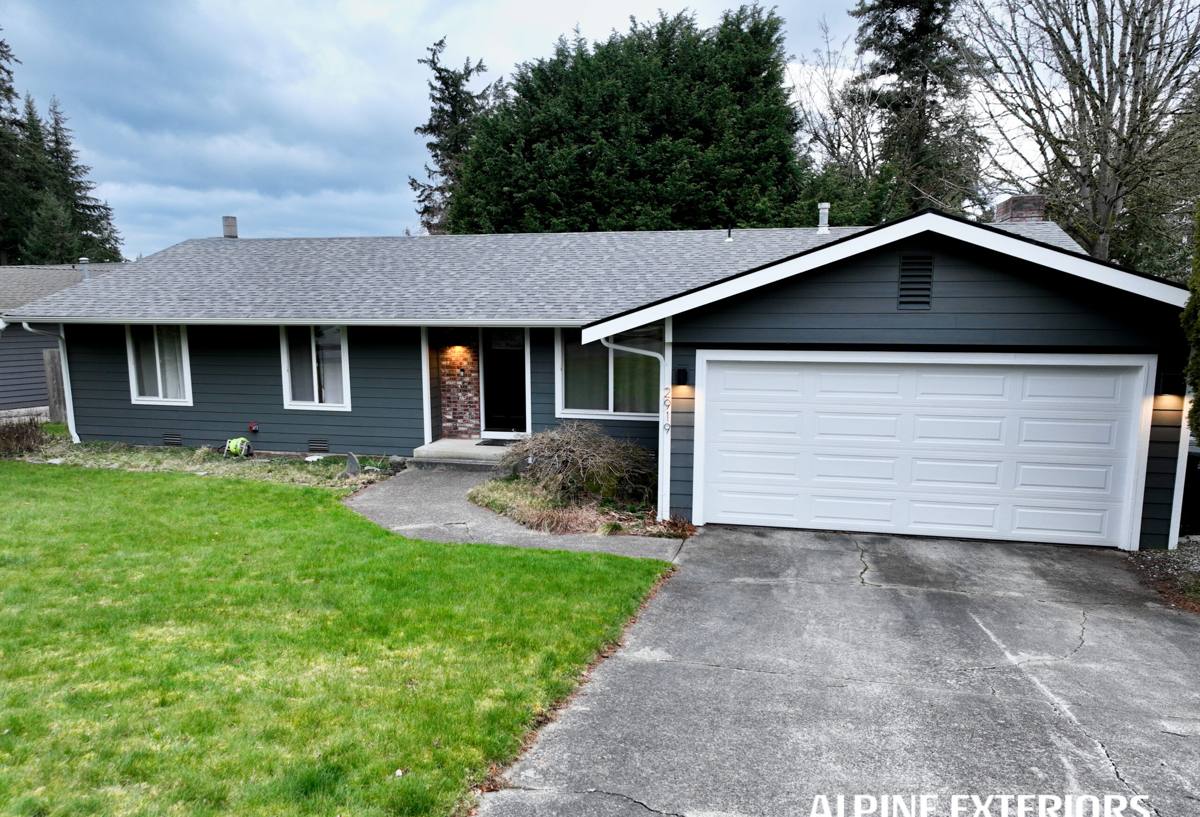
What Vinyl Siding Gets Right
Vinyl deserves credit where it's due. It's been the most-installed siding product in America for decades, and there are good reasons for that.
- Lower upfront material cost — vinyl is typically the least expensive siding option per square foot.
- Fast installation — panels snap into place with less labor time than fiber cement, which can mean a shorter project timeline.
- No painting required — the color runs through the panel, so there's no exterior paint film to maintain in the traditional sense.
- Widely available — most contractors carry it, parts are easy to source, and repairs are generally simple to find materials for.
For a homeowner on a tight budget who plans to sell within a few years, vinyl can be a reasonable, defensible choice. We're not going to pretend otherwise.
Where Vinyl Struggles in a Coastal Florida Climate
Heat and Sun Exposure
Vinyl is a petroleum-based plastic, and plastic responds to heat. St. Petersburg gets sustained high temperatures and intense, nearly year-round UV exposure. Over time, that combination causes vinyl to fade — especially darker colors, which absorb more heat — and in some cases to warp, bow, or become brittle. Panels installed on the south and west elevations of a home, where sun exposure is heaviest, tend to show this first.
Wind Resistance
Vinyl siding is rated for wind resistance, but the ratings vary widely by product line and — critically — by installation quality. Vinyl panels are hung, not fastened rigidly, which allows them to expand and contract with temperature. That same design means panels can be pulled loose or torn off in sustained high winds, which is a real consideration for a home in a hurricane-exposed county like Pinellas. After a wind event, it's common to see vinyl-sided homes with missing or flapping panels while masonry and fiber cement neighbors are untouched.
Salt Air and Coastal Exposure
Homes closer to Tampa Bay or the Gulf deal with salt-laden air that accelerates wear on a lot of exterior materials. Vinyl doesn't corrode the way metal does, but the combination of salt residue, heat cycling, and UV exposure tends to show up as chalking, discoloration, and brittleness sooner near the water than it does further inland.
Impact Resistance
Vinyl is a thin plastic shell. It can crack from a stray branch, a ladder bump, or wind-driven debris during a storm — and once cracked, that section typically needs to be replaced rather than patched, which can mean hunting for a color match years later if the manufacturer has changed its line.
Why We Standardized on James Hardie
James Hardie fiber cement is a mix of cement, sand, and cellulose fiber, pressed and cured into board form. It's a fundamentally different material category than vinyl, and it addresses the specific weak points we see vinyl struggle with locally.
| Factor | Vinyl Siding | James Hardie Fiber Cement |
|---|---|---|
| Core material | PVC plastic | Cement, sand, cellulose fiber |
| Fire behavior | Combustible plastic | Non-combustible |
| UV/fade resistance | Fades and can chalk over time | ColorPlus factory finish is baked-on and warrantied against fading |
| Wind performance | Panel-hung; can dislodge in high wind if not installed to spec | Rigid, nailed board; HZ5 products engineered for high-wind zones |
| Impact resistance | Can crack or shatter | Dense board resists denting and cracking better than thin vinyl |
| Moisture behavior | Doesn't rot but can trap moisture behind panels if installed poorly | Engineered to shed water; requires correct flashing/gapping per manufacturer spec |
| Typical lifespan (properly installed) | 20-30 years | 30-50+ years |
| Warranty structure | Varies by manufacturer, often prorated | Strong transferable limited warranty on the board; separate finish warranty on ColorPlus |
The non-combustibility matters more than people expect in Florida — it's not just a wildfire concern, it's a factor in fire spread between structures on tightly spaced lots, which is common in older St. Petersburg neighborhoods. And the HZ5 product line is specifically engineered for high-wind, high-moisture climate zones, which describes Pinellas County exactly.
The ColorPlus Advantage
One of the biggest practical differences is finish. Standard-primed fiber cement still needs field painting, and vinyl's color is baked into the plastic itself with no repainting option if you want to change the look. James Hardie's ColorPlus technology applies the finish at the factory under controlled conditions, with multiple baked-on coats, and backs it with its own warranty against fading and peeling. That means a more consistent, durable finish than field-applied paint, and unlike vinyl, if you do want to repaint down the road for a different look, you have that option — fiber cement takes paint well.
Installation Sensitivity: The Part Both Products Share
Here's an important honesty point: both vinyl and fiber cement perform only as well as their installation. A poorly installed vinyl job can fail early, and a poorly installed Hardie job — wrong fastener pattern, missing flashing, insufficient clearance from grade or roofline — can develop moisture problems despite the material's inherent durability. The material choice matters, but installation to manufacturer spec matters just as much. This is part of why we only install one product: it lets our crews specialize in doing James Hardie installation correctly, every time, rather than splitting focus across multiple systems with different requirements.
Cost Considerations Over Time
Vinyl generally costs less upfront. James Hardie costs more to install, both in material and labor, because the boards are heavier and installation is more labor-intensive than snapping panels into place. But the comparison shouldn't stop at day one.
- Replacement cycle: If vinyl needs replacing at the 20-25 year mark and Hardie holds to 30-50 years, you may be paying for vinyl twice in the time it takes to pay for Hardie once.
- Storm damage repair: A wind event that dislodges vinyl panels can mean a scramble to find matching discontinued colors; Hardie's rigid, fastened installation is less prone to this in the first place.
- Resale perception: Fiber cement siding is generally viewed by buyers and appraisers as a premium, longer-lasting upgrade compared to vinyl.
- Maintenance: Vinyl needs periodic washing to prevent mildew buildup in Florida's humidity; Hardie's ColorPlus finish is engineered to resist that buildup and clean up easily.
Neither product is "maintenance-free" — that's a marketing phrase, not a real-world outcome in this climate. But the maintenance and replacement burden over 20-30 years tends to favor fiber cement.
What to Ask Before You Choose
Whatever material you land on, ask your contractor these questions before signing anything:
- What wind rating is this specific product line, and is it appropriate for Pinellas County's exposure category?
- What does the manufacturer's installation spec require for fastening, flashing, and clearance — and will the crew follow it exactly?
- Is the warranty on the material transferable if you sell the home?
- Who is liable if the installation itself voids the manufacturer's warranty?
- What's the realistic maintenance schedule for this product in a hot, humid, salt-air climate?
Our Take
Vinyl isn't a bad product — it's a budget product that trades long-term durability for lower upfront cost, and for some homeowners and some homes, that trade makes sense. But given what St. Petersburg's climate does to exterior materials over a couple of decades — sun, humidity, wind, and salt air — we made the call years ago to install only James Hardie fiber cement. We'd rather stand behind one product we know inside and out than offer a lower-cost option we don't fully trust to perform here.
If you're weighing your options, we're happy to walk your specific home, talk through what each material would mean for your situation, and give you a straight answer — not a sales pitch. Reach out for a free, no-pressure estimate using the form below.