 St. Petersburg Siding
 Why Pinellas Point Roofs Wear Differently
Pinellas Point sits on a peninsula surrounded by water on three sides, which means the homes here take a different kind of beating than roofs a few miles inland. The combination of hurricane-force wind gusts, near-constant UV exposure, wind-driven rain, and salt-laden air off Tampa Bay and Boca Ciega Bay doesn't just age a roof faster — it attacks it in ways that a generic roofing job often doesn't account for. A shingle roof installed the same way you'd install one in Ohio or Georgia will not hold up the same way here, and homeowners in this neighborhood usually find that out the hard way after their first major storm season.
Salt air is corrosive to exposed metal, which matters more than most homeowners realize on a roofing job — nails, flashing, drip edge, and vent stacks all take a hit over time if the wrong materials or fastener grades are used. Add in the intense, near year-round Florida sun that breaks down asphalt oils and granule adhesion, plus the sideways, wind-driven rain that finds every weak seam during a squall, and you have a roofing environment that punishes shortcuts. This page covers what a correctly installed asphalt shingle roof needs to hold up specifically in Pinellas Point, and how our process is built around those conditions rather than a one-size-fits-all install.
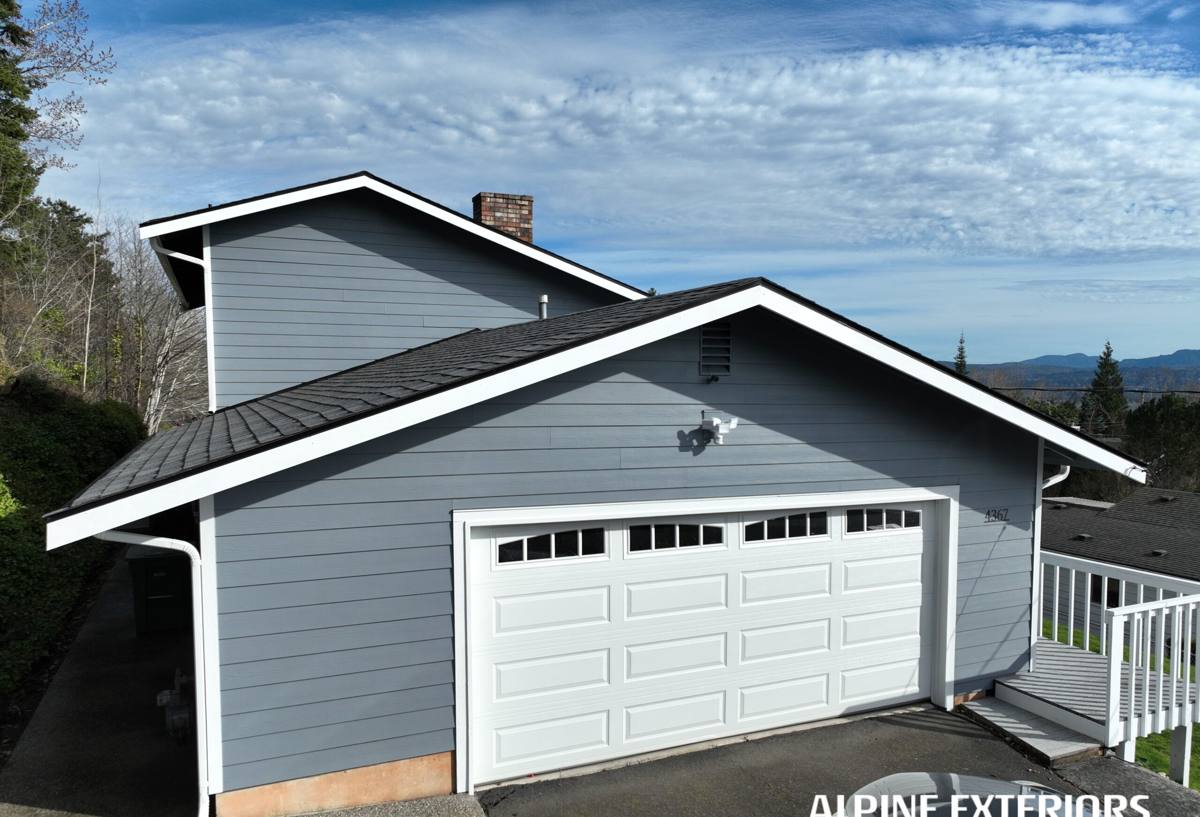
What Pinellas Point Homes Actually Need From a Shingle Roof
Wind Performance First
Pinellas County sits in a high-velocity hurricane zone under the Florida Building Code, and homes near the water in Pinellas Point feel the full effect of that when a storm rolls through. A correct asphalt shingle job here starts with matching the shingle's wind rating and the fastening pattern to what the code and the manufacturer both require for this wind zone — not the minimum nailing pattern that might pass in a calmer part of the state. Six nails per shingle instead of four, placed in the manufacturer's designated nailing zone, is a small detail that makes a real difference when gusts get underneath the shingle tabs.
UV and Heat Resistance
St. Petersburg gets sun exposure most of the year, and that steady UV load slowly bakes the asphalt in a shingle, causing the oils to dry out and the granules that protect the mat underneath to shed. Lighter-colored, reflective shingle lines handle this better and can also ease attic heat load, which is worth discussing if your attic runs hot in summer.
Moisture and Wind-Driven Rain
During tropical storms and squall lines, rain doesn't just fall straight down here — it comes in sideways. That means underlayment, flashing details, and valley construction matter as much as the shingles themselves. A roof can have premium shingles on top and still leak if the underlayment and flashing weren't built to handle wind-driven water finding its way under the shingle edges.
What a Correct Asphalt Shingle Install Involves
A roof is a system, not a single product. Every layer has a job, and skipping or downgrading any one of them is usually where problems start.
- Deck inspection and repair: Plywood or OSB decking is checked for soft spots, delamination, or old fastener damage before anything new goes down. Salt air and humidity can quietly rot a deck from underneath over the years.
- Self-adhering underlayment at vulnerable areas: Eaves, valleys, and penetrations get a waterproof, self-sealing underlayment layer so wind-driven rain that gets past the shingles still hits a sealed surface.
- Synthetic underlayment across the field: A tear-resistant synthetic layer across the rest of the roof adds a second line of defense and holds up better in heat than older felt products.
- Drip edge and flashing in corrosion-resistant metal: Given the salt air here, we don't cut corners on flashing grade — cheap or mismatched metal is one of the first things to fail near the coast.
- Correct nailing pattern for the wind zone: Fasteners placed in the manufacturer's nail line, at the pattern required for high-wind exposure, not just what's fast.
- Proper ventilation: Balanced intake and exhaust ventilation keeps attic temperatures and moisture in check, which extends shingle life and helps with energy costs.
- Ridge cap and final seal: Ridge caps rated for the same wind exposure as the field shingles, sealed correctly at the ridge line where wind uplift is strongest.
Ventilation Deserves Its Own Mention
A lot of roofing quotes leave ventilation out entirely because it's an easy thing to skip and still have the roof "look" finished. In a hot, humid climate like St. Petersburg's, that's a mistake. Poor attic ventilation traps heat and moisture, which shortens shingle life from underneath and can lead to deck problems you won't see until they're expensive. We evaluate existing intake and exhaust venting on every Pinellas Point job and recommend corrections when the attic isn't breathing properly, rather than just replacing shingles over an unchanged ventilation problem.
Our Process for Pinellas Point Roofing Jobs
- Inspection and honest assessment. We look at the deck, existing flashing, ventilation, and overall roof condition before quoting anything, and we'll tell you plainly if repair is a reasonable option versus full replacement.
- Clear, written scope. You'll know exactly what underlayment, flashing, shingle line, and ventilation work is included before we start — no vague "roofing materials" line items.
- Tear-off and deck check. Old roofing is removed down to the deck so we can actually see what's underneath instead of layering over hidden problems.
- System installation. Underlayment, flashing, shingles, and ventilation components go in as a coordinated system, built for this wind zone and this climate.
- Site cleanup and magnetic nail sweep. Debris and stray fasteners are cleared from the property, including driveways and landscaping.
- Final walkthrough. We go over the finished roof with you and answer questions before calling the job done.
Choosing the Right Shingle for This Area
Not every asphalt shingle product is built the same, and the right choice depends on your budget, your home's exposure, and how long you want to go before your next roofing project.
| Shingle Type | Typical Wind Rating | Best For | Trade-Offs |
|---|---|---|---|
| 3-tab asphalt | Lower end of rated range | Budget-conscious projects on less exposed structures | Shorter lifespan, less wind resistance than architectural styles |
| Architectural (laminate) asphalt | Mid-to-high rated range | Most Pinellas Point homes; balance of durability and cost | Higher upfront cost than 3-tab, but far better long-term value near the water |
| Impact-rated / high-wind asphalt | Highest rated range | Homes with direct water exposure or higher insurance incentives | Highest material cost; may qualify for insurance premium credits |
For most homes in this neighborhood, we steer people toward architectural shingles rated for high-velocity hurricane zones. The cost difference over 3-tab is real, but so is the difference in how the roof performs in a named storm, and many homeowners recoup part of that difference through insurance discounts for wind mitigation features.
What Actually Drives Roofing Cost Here
Every roof is different, but the factors that move the price up or down are consistent. We walk through these openly during an estimate rather than handing over a number with no explanation.
| Factor | Why It Matters |
|---|---|
| Roof size and pitch | More surface area and steeper pitches mean more material and labor time |
| Deck condition | Rotted or damaged decking found during tear-off adds repair cost but prevents bigger problems later |
| Number of layers being removed | Roofs with existing layered shingles take longer to tear off and haul away |
| Shingle line selected | 3-tab, architectural, and impact-rated products carry different material costs |
| Flashing and penetrations | Chimneys, skylights, and multiple roof valleys add flashing labor |
| Ventilation upgrades | Adding or correcting intake/exhaust venting is worth pricing in if the attic isn't currently balanced |
Maintenance in a Salt Air, High-UV Environment
Even a well-installed roof benefits from basic upkeep in this climate. A few habits go a long way toward getting the full service life out of your shingles:
- Have the roof visually inspected after major storms, especially anything with sustained high wind
- Keep gutters and valleys clear so wind-driven rain has a clear path off the roof
- Watch for granule loss in gutters or downspouts, which signals UV wear on the shingle surface
- Address small flashing or sealant issues promptly — salt air accelerates corrosion once a metal edge is compromised
- Keep overhanging branches trimmed back to reduce debris buildup and abrasion during wind events
Why Local Experience in Pinellas Point Matters
A roofing crew that regularly works this specific part of St. Petersburg understands things a crew from outside the area has to learn on your roof. That includes which wind zone requirements apply, how the local permitting and inspection process runs through the city and Pinellas County, and how homes here typically age given their proximity to the water. It also means we're a known, reachable local business if you ever need a warranty question answered or a post-storm check — not a name that disappears once the invoice is paid.
We also understand the practical realities of working in an established, water-adjacent neighborhood: protecting landscaping and driveways during tear-off, coordinating around narrower lots, and being mindful of neighbors during a multi-day job. These aren't things you can fully learn from a spec sheet — they come from doing the work here repeatedly.
A Quick Homeowner Checklist Before You Hire
- Ask for the specific shingle wind rating being quoted, not just the brand name
- Confirm the nailing pattern matches high-wind-zone requirements, not a standard/minimum pattern
- Ask what underlayment is included at eaves and valleys specifically
- Get the ventilation plan in writing, not just "we'll check it"
- Confirm licensing and insurance, and get the permit process explained upfront
- Ask what happens if deck damage is found during tear-off, and how that's priced
If your roof is showing granule loss, curling shingles, or storm damage, or you're simply due for a replacement, we're happy to walk your roof and give you a straightforward, no-pressure estimate. Use the form below to get started.