 St. Petersburg Siding
 What Primed Spruce Siding Actually Is
Primed spruce siding is solid-wood lap or clapboard siding milled from spruce lumber, coated with a factory or job-site primer before installation, then field-painted once it's on the wall. It's been used on homes for well over a century, and there's a reason it has staying power in cooler, drier climates: it's real wood, it takes paint and stain beautifully, it's relatively easy for a carpenter to cut and fit, and it gives a home a genuine, traditional look that some homeowners specifically want.
We're not going to pretend those things aren't true. Where we part ways with primed spruce is what happens to it once it's living on a house in Pinellas County instead of a house in Vermont or Oregon.
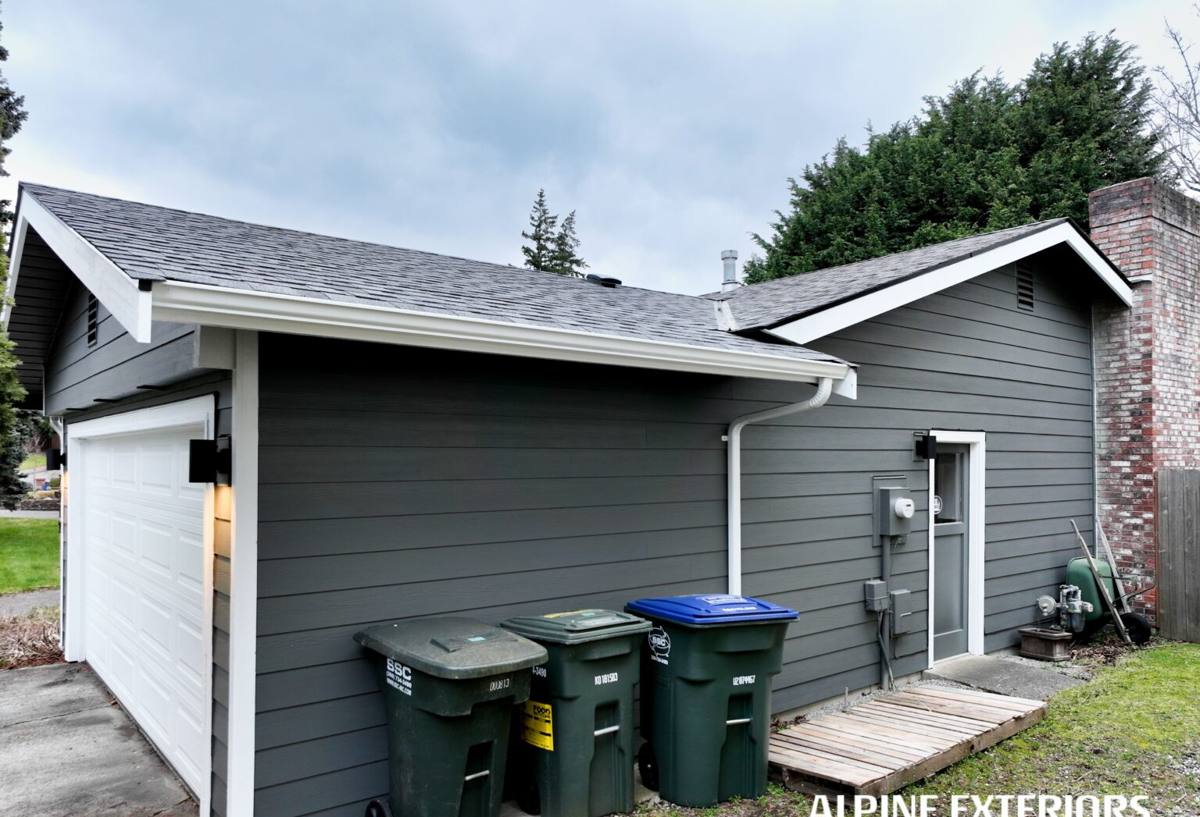
What It Gets Right — Before We Get Into Why We Don't Install It
To be fair to the product: primed spruce is a real building material with a long track record, and in the right climate, with diligent upkeep, it can last decades. It's lighter than fiber cement, it's forgiving to work with on-site, and it can be repaired board-by-board if a section gets damaged. Some homeowners also simply prefer the idea of a natural wood substrate under their paint, even knowing it needs more attention than engineered alternatives.
Our issue isn't that spruce siding is a bad product in the abstract. It's that St. Petersburg's climate is close to the worst-case environment for a solid-wood exterior, and we don't think it's honest to install something here that we know is fighting an uphill battle from day one.
Moisture Is the Deal-Breaker in This Climate
Spruce is a softwood. It absorbs and releases moisture readily, which is exactly what causes trouble on the Gulf Coast. Pinellas County doesn't get occasional rain — it gets sustained humidity most of the year, plus tropical downpours and wind-driven rain that gets pushed sideways into wall assemblies during storms. Every joint, every nail hole, every place where the factory primer gets nicked during handling or installation becomes a spot where water can get into the wood.
Once moisture gets behind the paint film on a softwood board, a few things happen in sequence:
- The wood swells and contracts with wet-dry cycles, stressing the paint film and the joints between boards
- Paint begins to crack, peel, or bubble at the points of highest moisture exposure — typically butt joints, bottom edges, and areas near ground splash-back
- Once the paint film is compromised, the bare wood underneath is exposed to direct wetting
- Sustained wetting invites soft rot, and in Florida, it also invites wood-destroying insects
In a drier climate, this cycle plays out slowly, over many years. In a humid, storm-prone coastal county like ours, it plays out faster — and it plays out on every elevation of the house, not just the ones facing prevailing weather, because wind direction during a tropical system isn't predictable the way it is with a normal frontal rainstorm.
UV Load and Paint Film Breakdown
Florida's UV exposure is intense and essentially year-round — there's no long winter where the sun angle is low and the paint gets a rest. That constant UV load breaks down paint resin faster than it does in most of the country, which means the protective film on primed spruce siding is degrading from the sun side even before moisture becomes an issue.
The practical result is a shorter repaint cycle than the same product would need in a milder climate. Homeowners who install wood siding in St. Petersburg typically find they're repainting on a noticeably tighter schedule than the paint manufacturer's stated interval, simply because sun and humidity here work faster than the national average the can label was written for.
Why This Matters More Than It Sounds Like
Paint isn't decorative on wood siding — it's the primary waterproofing layer. When the paint fails early, the wood underneath is unprotected, and the moisture problems described above start on a shorter timeline. UV and moisture aren't separate issues on this product; they compound each other.
The Maintenance Math Homeowners Don't Always See Upfront
Every siding material has a maintenance cost. The honest comparison isn't "wood siding vs. no maintenance" — it's what the maintenance burden looks like over 20 or 30 years of Gulf Coast weather.
| Factor | Primed Spruce (Solid Wood) | James Hardie Fiber Cement |
|---|---|---|
| Repaint interval in this climate | Typically every 4-7 years | ColorPlus factory finish rated for extended color/fade performance; field-painted Hardie stretches further between repaints |
| Moisture absorption | High — softwood substrate | Engineered to resist moisture-related swelling and cracking |
| Combustibility | Combustible | Non-combustible fiber cement |
| Insect vulnerability | Susceptible to wood-destroying insects if moisture compromises the finish | Not a food or moisture source for wood pests |
| Typical board replacement over 20-30 years | Ongoing, spot repairs common | Low, when installed to manufacturer spec |
| Warranty structure | Varies by mill/primer manufacturer; often limited | Strong transferable manufacturer warranty on the product |
None of this means spruce siding is unusable — it means the true cost of ownership includes recurring labor and material costs that a lot of homeowners don't fully price in when they compare the upfront installed cost of wood siding to fiber cement.
Pests, Rot, and What Florida Adds to the Equation
Wood-destroying insects are a real and active concern in Pinellas County, and a softwood siding product with any compromised paint film is an easier target than a non-organic substrate. We're not going to claim spruce siding automatically means a termite problem — it doesn't, if it's maintained perfectly and the paint film never fails. But "never fails" over 20+ years of Florida sun and rain is a high bar, and once moisture and organic wood fiber are both present behind a wall, you've created exactly the conditions those pests look for.
Fiber cement removes that variable entirely. It isn't a food source for insects, and it doesn't provide the organic material rot fungi need to establish themselves.
Wind and Storm Performance
Hurricane-force wind events are a fact of life on the Gulf Coast, and siding has to survive both the direct wind load and the wind-driven rain and debris that come with it. Solid wood lap siding, when properly installed with correct fastening and clearances, can perform reasonably in wind — but it's also more prone to splitting on impact and to moisture intrusion at any point where a storm compromises the paint film or opens a seam. After a storm event, wood siding often needs closer inspection than fiber cement for hairline cracks or splits that let water in without being visually obvious from the ground.
James Hardie's HZ5 product line is engineered specifically for high-wind, high-moisture coastal exposure, which is a meaningful difference when you're building or re-siding a home in a hurricane-exposed county rather than a sheltered inland market.
Why We Standardized on James Hardie Instead
We install James Hardie fiber cement siding exclusively, and the reasoning is straightforward: it's engineered for exactly the conditions St. Petersburg homes deal with. It's non-combustible, it doesn't feed pests, it holds up to sustained humidity and wind-driven rain without the swell-and-crack cycle that softwood goes through, and the ColorPlus factory finish is baked on under controlled conditions rather than relying on job-site paint application to hold up against year-round Florida sun. It also carries a strong, transferable manufacturer warranty — something worth real money if you sell the home before the siding's service life is up.
We'd rather install one product exceptionally well, understand its every detail, and stand behind it fully, than offer a menu of materials we know perform unevenly in this specific climate. That's also why you won't find us installing vinyl, LP SmartSide, cedar, Cemplank, or Allura — the reasoning is the same in each case: this climate is demanding, and we only install what we're confident will hold up to it with proper installation.
What to Ask Before You Sign a Wood Siding Contract
If you're still considering primed spruce or another solid-wood product for a home in Pinellas County, here's a practical checklist to work through with any contractor bidding the job:
- Ask what warranty covers the wood itself versus just labor — many wood siding warranties are thin on material defects
- Ask what moisture barrier and flashing details are specified behind the siding, not just the siding itself
- Ask for the manufacturer's stated repaint interval, then ask the contractor what they've actually seen in local coastal conditions
- Ask how butt joints and end cuts will be sealed, since these are the most common failure points
- Ask whether the product carries any coastal or high-wind rating, or whether it's a general-purpose specification
- Get a straight answer on expected maintenance frequency over a 20-year horizon, not just year one
A contractor who can answer all of these clearly, with specifics rather than general reassurance, is doing their job. If the answers are vague, that's worth noticing before the contract is signed, not after the first repaint comes due.
Talk to Us About What Actually Fits Your Home
We're happy to walk through your home's exposure, sun and wind orientation, and current siding condition, and give you a straight answer about what we'd recommend and why. If you'd like a free, no-pressure estimate on a James Hardie fiber cement installation, use the form below and we'll set up a time to take a look.