 St. Petersburg Siding
 New-Construction Windows for Pinellas Point Homes
Pinellas Point sits on a peninsula tip surrounded by water on three sides — Tampa Bay to the east, Boca Ciega Bay influence to the west, and open exposure that funnels wind straight off the water into whatever is being framed up. When a home in this part of St. Petersburg is under new construction or a full teardown-rebuild, the window package isn't a detail to leave to whoever has the best price. It's one of the largest openings in the building envelope, and in Pinellas County it has to hold up against hurricane-force wind loads, wind-driven rain, salt-laden air, and some of the most intense year-round UV exposure in the continental U.S. Get the window install wrong at the new-construction stage and you're not looking at a minor callback — you're looking at framing rot, failed inspections, or a window that leaks the first time a summer storm rolls in sideways off the bay.
This page covers what a correct new-construction window install looks like specifically for Pinellas Point, what the climate demands from the products and the labor, and how we run the job from first site visit to final inspection sign-off.
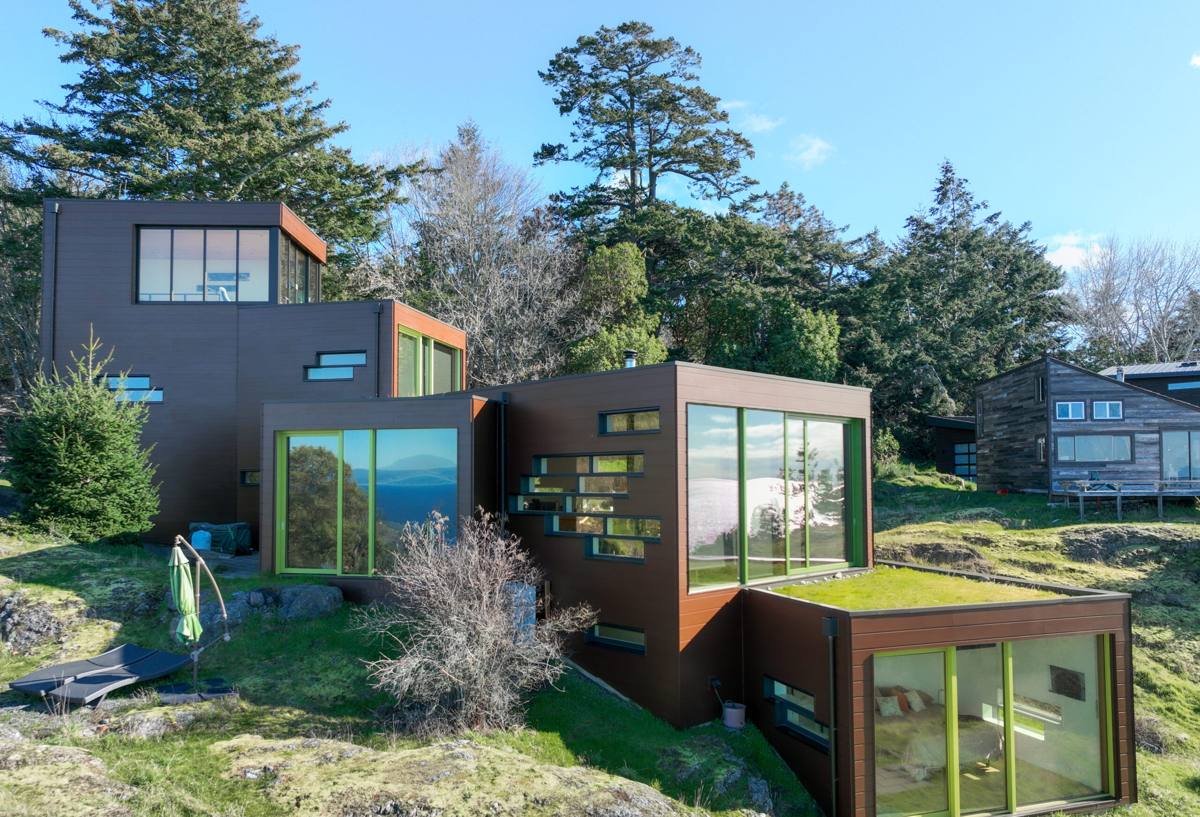
Why Pinellas Point Is a Different Job Than Inland St. Petersburg
New-construction windows are installed the same basic way everywhere — rough opening, flashing, window unit, fastening schedule, sealant, trim. But the margin for error shrinks considerably the closer a lot sits to open water. A few things make Pinellas Point specific:
- Wind exposure category. Homes closer to the shoreline typically fall under a higher wind exposure classification than inland lots, which changes the required design pressure (DP) rating for the windows and the fastening schedule used to anchor them.
- Salt air corrosion. Metal fasteners, flashing, and window hardware near the water corrode faster than the same materials a few miles inland. Choosing corrosion-resistant fastener types and flashing metals isn't optional here — it's the difference between a window that lasts and one that starts staining and seizing up within a few years.
- Storm surge and flood zone rules. Depending on where a lot sits relative to FEMA flood mapping, sill heights, opening protection requirements, and even which floor gets impact glazing can differ from a standard inland new-build.
- Sun angle and glare off the water. Homes with water-facing glazing see more direct and reflected UV than a typical inland elevation, which affects glass and frame selection if long-term fading and heat gain are a concern.
None of this means Pinellas Point construction is exotic — it means the window package has to be specified and installed by someone who accounts for the local wind, water, and salt exposure rather than defaulting to a generic inland spec.
What Pinellas County Code Actually Requires
New-construction windows in Pinellas County are installed under the Florida Building Code, and in wind-borne debris regions — which covers all of Pinellas County — that means one of two paths for every opening:
- Impact-rated windows that meet the applicable large- and small-missile impact test standards on their own, with no separate shutter system required.
- Non-impact windows paired with code-compliant opening protection (approved shutters or panels) that must be deployable and rated to match.
Every window installed also carries a design pressure rating tied to the home's wind zone, its height, and its exposure category — this isn't a fixed number across the county, it's calculated per structure and sometimes per elevation. On a new build, the window schedule the architect or designer provides should already reflect this, but it still gets verified against the actual site conditions before we order anything, because Pinellas Point's shoreline proximity can push exposure classification higher than a standard inland lot in the same zip code.
Every new-construction window install also requires a permit and inspection through the City of St. Petersburg or Pinellas County (depending on jurisdiction), including verification of the product approval number (NOA or Florida Product Approval) for each window installed. We handle that documentation as part of the job — it's not an add-on.
Impact vs. Non-Impact: The Honest Trade-Off
| Factor | Impact-Rated Glass | Standard Glass + Shutters |
|---|---|---|
| Upfront cost | Higher per opening | Lower window cost, added shutter cost |
| Storm prep effort | None — always ready | Shutters must be deployed before every storm |
| Daily appearance | Clean, unobstructed view year-round | Clean when shutters are retracted/removed |
| Insurance impact | Often qualifies for wind mitigation credit | May qualify depending on shutter type |
| Long-term maintenance | Glass and frame only | Shutter hardware needs its own upkeep |
Most Pinellas Point new builds we work on choose impact glass for water-facing elevations at minimum, since it removes the "did someone actually put the shutters up" risk during a fast-moving storm. It's a homeowner decision either way — we lay out both paths honestly rather than pushing the higher-margin option.
Frame and Glass Choices That Actually Hold Up Near the Water
New construction is the one time a homeowner gets to choose the window package from scratch, without working around an existing rough opening. That makes it worth spending a few extra minutes on frame material and glass package, because those choices are locked in for decades.
Frame Materials
- Vinyl — the most common choice for new residential construction in this price range. Good insulating value, no corrosion concerns, and modern impact-rated vinyl units perform well. Quality varies a lot between manufacturers, so we install lines with a track record in Florida's coastal wind zones, not whatever is cheapest at the distributor.
- Aluminum — still common on Florida new builds, especially for larger openings and sliding glass doors, because it holds a slimmer profile at high design pressures. Needs a quality finish to resist salt-air corrosion long term.
- Fiberglass — a smaller share of the market here but worth mentioning for homeowners who want minimal expansion/contraction movement and strong impact performance; it costs more upfront.
Glass Packages
Beyond impact resistance, the glass package matters for comfort and utility bills in a climate with intense year-round sun. Low-E coatings cut down radiant heat gain significantly, which matters on water-facing glazing that takes both direct sun and reflected glare off the bay. We spec glass packages based on orientation — south and west exposures get more aggressive solar control than north-facing openings.
What a Correct Install Actually Involves
The window unit itself is only part of the job. Most window failures we get called to diagnose on other people's builds — leaks, staining, soft framing — trace back to installation shortcuts, not a bad product. On new construction, this is what has to happen in order:
- Rough opening verification — confirming the opening is square, level, and sized correctly before the window ever shows up on site, because catching a framing error now is a phone call, not a demo.
- Sill pan flashing — a sloped, sealed pan under every opening so any water that gets past the window sheds outward instead of sitting on the sill or draining into the wall cavity.
- Weather-resistive barrier integration — flashing tape and the house wrap or building paper have to be layered correctly (shingle-style, top over bottom) so water is always directed outward and down, never trapped behind the flashing.
- Window setting and shimming — the unit gets set plumb, level, and square, then shimmed at manufacturer-specified points so the frame doesn't rack when fastened.
- Fastening per the product approval schedule — this is not a "use enough screws" step. Impact-rated windows are engineered and tested with a specific fastener type, size, spacing, and embedment depth. Deviating from that schedule can void the product approval entirely, which matters at inspection and at claim time.
- Sealant and backer rod — exterior sealant joints sized and backed correctly so they flex with building movement and temperature swings instead of cracking open within a year or two.
- Interior air sealing — often skipped by builders in a hurry, but it's what keeps humid Gulf Coast air from condensing inside the wall cavity around the window.
Every one of these steps gets inspected by the county before drywall closes the wall up. We build our sequencing around that inspection, not around trying to move faster than it.
Salt Air, UV, and Wind: Building for the Long Haul
A window installed correctly in year one still has to survive twenty-plus years of Pinellas Point's specific climate stack:
- Salt air accelerates corrosion on any exposed metal — hinges, cranks, screen frames, and fasteners. We use corrosion-resistant hardware and fastener grades suited to coastal exposure rather than the base-grade hardware that ships standard with some window lines.
- UV exposure in this part of Florida is intense and constant. Cheap vinyl compounds and low-grade sealants chalk, fade, or go brittle years before a quality product will. Frame material and sealant selection both account for this.
- Wind-driven rain during summer storms tests every flashing detail multiple times a year, not just during a hurricane. Sill pan flashing and properly lapped house wrap are what keep that rain out of the wall long before a named storm ever forms.
- Hurricane-force wind loads are the design case every impact window and fastening schedule is engineered around — this is the baseline requirement, not an upgrade, for anything built in Pinellas County.
Our Process for a Pinellas Point New-Construction Window Job
1. Plan Review and Site Visit
We start by reviewing the architectural plans or window schedule and walking the actual lot. Pinellas Point's shoreline proximity means we verify wind exposure and flood zone designation against the site rather than assuming a generic inland spec applies.
2. Product Selection and Ordering
We help select frame material, glass package, and impact rating per opening, matched to elevation and orientation, then handle ordering and lead-time coordination with the builder's schedule.
3. Rough Opening Coordination
We coordinate with the framing crew before openings are finalized, catching sizing or squareness issues while they're still cheap to fix.
4. Installation
Flashing, setting, fastening, and sealing performed to the manufacturer's tested installation instructions and the current Florida Building Code, in the sequence outlined above.
5. Documentation and Inspection
We keep product approval numbers, fastening schedules, and photos organized for the county inspector, and we're on site or available for the inspection itself.
6. Final Walkthrough
Every window operates smoothly, seals cleanly, and matches the approved schedule before we call the job done.
Pre-Install Checklist for Homeowners and Builders
- Confirm the wind exposure category and design pressure requirements for the specific lot, not just the general zip code
- Verify flood zone designation and any sill height implications before finalizing window heights
- Decide on impact glass vs. shutter-protected non-impact glass per elevation, especially on water-facing walls
- Choose frame material based on maintenance expectations, not just upfront price
- Confirm glass package (Low-E coating, tint) matches each elevation's sun exposure
- Make sure the installer is pulling permits and scheduling required inspections — not treating it as optional
- Ask for the product approval documentation to be provided and kept on file, not just referenced verbally
Why a Local Crew Matters on This Job
Anyone can order impact windows and set them in an opening. What separates a correct Pinellas Point install from a problem waiting to surface is familiarity with this specific stretch of St. Petersburg — the wind exposure realities of a peninsula lot, the flood zone patterns, the inspectors who sign off on the work, and the way salt air and sun actually behave here over time. A crew that works this neighborhood regularly isn't guessing at exposure category or hoping a generic fastening schedule happens to be conservative enough. That familiarity shows up in fewer surprises during inspection and fewer callbacks years down the road.
If you're building or rebuilding in Pinellas Point and want a straight answer on what your window package needs — no upsell, no guesswork — reach out for a free, no-pressure estimate. The form below gets you a site visit and a real answer, not a sales pitch.