 St. Petersburg Siding
 Why Decks in Pinellas Point Wear Out Faster Than the National Average
Pinellas Point sits on a peninsula surrounded by water, which is part of what makes it a great place to live — and part of why decks here fail years before their rated lifespan. A deck built to a generic national spec is not built for what this specific stretch of the Gulf Coast throws at it day after day. Four things do most of the damage:
- Salt air corrosion — airborne salt settles on and works into metal fasteners, brackets, and hardware, accelerating rust from the inside of the connection outward, often long before it's visible on the surface.
- Intense, near-constant UV — Florida's sun breaks down the lignin in wood fibers and the resins in some composite boards, leading to graying, splintering, and surface chalking faster than in cooler climates.
- Wind-driven rain — storms here don't just fall straight down; rain gets pushed sideways and up under boards, into ledger connections, and into end grain that isn't sealed.
- Hurricane-force wind loading — even a deck that survives storms structurally can have its fasteners loosened cycle after cycle, which is how minor movement turns into a real safety issue.
None of this means a deck in St. Petersburg can't last — it means it has to be built and fastened differently than a deck in a drier, inland climate.
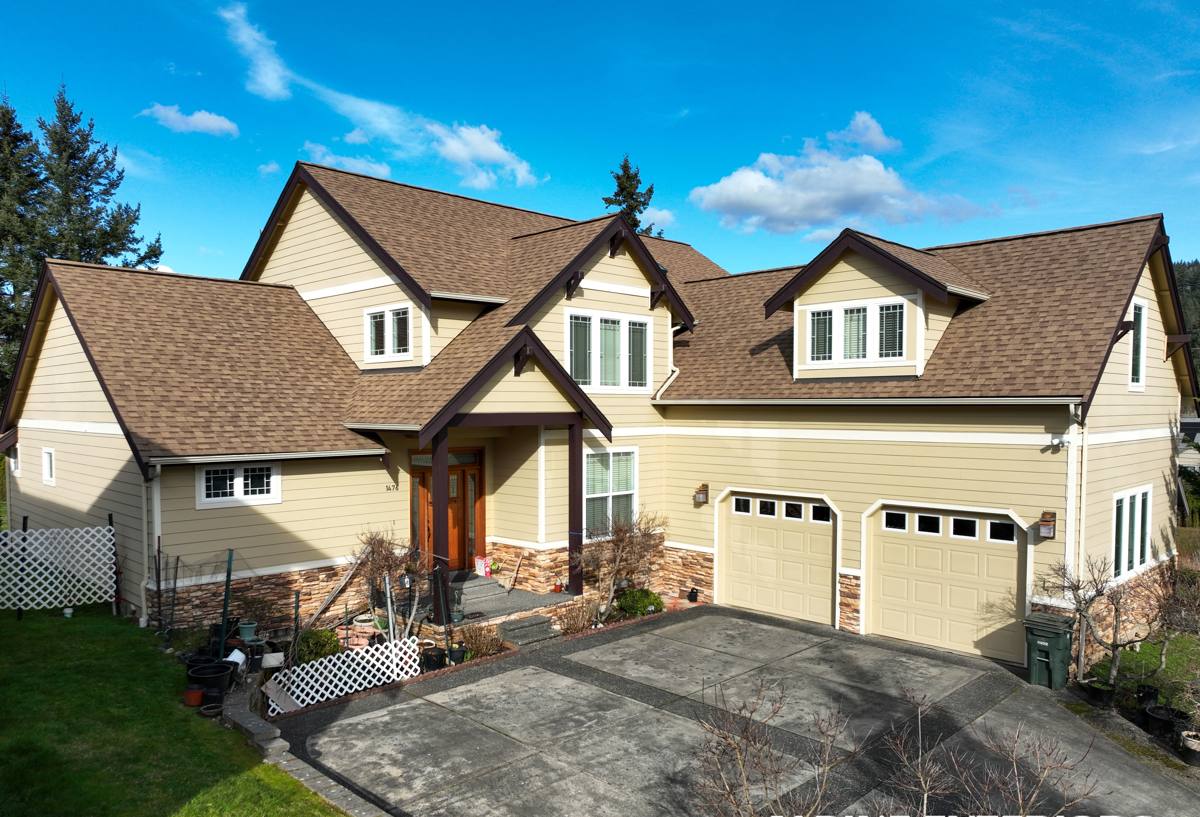
Signs a Deck Needs Replacement, Not Just Repair
We get called out for "a few loose boards" more often than not, and sometimes that's genuinely all it is. But there are signs that point to a structural problem underneath the cosmetic one:
Structural red flags
- Soft, spongy, or springy spots underfoot, especially near the house
- Rust staining bleeding out around fastener heads or joist hangers
- Visible gaps or movement where the deck ledger meets the house
- Wobble in the railing posts when you push on them
- Wood that's soft enough to probe with a screwdriver near ground contact or post bases
When repair is enough
A handful of split boards, surface graying, or a loose baluster usually doesn't call for a full rebuild. But once the ledger board, joists, or posts are compromised, patching individual boards just delays a bigger problem — and on an elevated or waterfront deck, that's not a risk worth carrying into the next storm season.
What a Correct Deck Replacement Actually Involves
A deck replacement done right in this climate isn't just pulling up old boards and screwing down new ones. The parts nobody sees are what determine whether the new deck lasts 10 years or 25.
The structure
Every ledger connection, joist hanger, and post base gets inspected and replaced with corrosion-resistant hardware rated for coastal exposure — not the standard hardware that's fine 50 miles inland but starts rusting here within a couple of seasons. Footings are checked for adequate depth and bearing, especially important on the sandy soils common along this part of the peninsula.
Flashing and water management
Where the deck meets the house, proper ledger flashing keeps wind-driven rain from tracking behind the siding or into the rim joist. This is one of the most commonly skipped steps on lower-cost deck jobs, and it's usually the reason a deck looks fine from the yard but has rot developing where you can't see it.
Fasteners and hardware
Stainless steel or coated coastal-grade fasteners throughout — not just on the top boards. Mixed metals (the wrong screw in the wrong bracket) create galvanic corrosion that eats hardware from the inside, which is exactly the kind of failure that isn't visible until something gives way.
Decking material fastening
Hidden fastener systems, proper board spacing for expansion, and picture-frame or breaker board detailing where it makes sense — all specified to the manufacturer's requirements for a hot, humid, coastal climate, not a generic install.
Choosing a Decking Material for a Pinellas Point Home
There's no single "best" decking material — there's a best fit for your budget, how much upkeep you want to do, and how close you are to open water or a canal. Here's how the common options actually compare in this climate:
| Material | Upfront Cost | Maintenance | How It Handles This Climate |
|---|---|---|---|
| Pressure-treated wood | Lowest | Annual sealing/staining recommended | Good performance if properly sealed and re-sealed on schedule; UV and moisture cycling will shorten life if maintenance lapses |
| Composite decking | Mid to upper-mid | Occasional washing, no staining | Handles moisture well; quality matters — cheaper composites can fade or degrade faster under constant UV |
| Cellular PVC decking | Highest | Very low | Doesn't absorb moisture, resists salt exposure well; best long-term option for waterfront or canal-front decks |
| Tropical hardwoods | High | Regular oiling to maintain color | Naturally dense and durable, but requires ongoing maintenance to avoid graying and checking in this sun |
For homes closer to open water or a canal, we lean toward steering clients away from standard pressure-treated wood as the sole structural decking surface unless they're committed to a real maintenance schedule — not because the material is bad, but because the honest trade-off is that it demands more upkeep in salt air than composite or PVC does. That's a maintenance-burden conversation, not a quality judgment, and it's one we'll walk through with you based on your specific lot.
Our Deck Replacement Process
- On-site assessment — we inspect the existing structure, footings, ledger connection, and any moisture or rot damage before quoting anything.
- Scope and material selection — we walk you through decking and hardware options with honest cost and maintenance trade-offs for your specific exposure (waterfront, canal, or inland lot).
- Permitting — deck replacement in the City of St. Petersburg and unincorporated Pinellas County typically requires a permit; we handle that paperwork so it's not on you.
- Demolition — old decking, framing, and hardware removed, with the substructure and house connection inspected once everything's exposed.
- Structural rebuild — ledger, joists, posts, footings, and hardware brought up to current code and coastal-grade standards.
- Decking and railing install — new surface installed per manufacturer spec, including proper spacing, fastening, and flashing details.
- Final walkthrough — we check for level, secure railings, and clean site cleanup before calling it done.
Permits and Code in Pinellas County
Deck replacement — as opposed to simple board repair — generally triggers a building permit requirement here, and for good reason: an elevated structure that fails in a storm or under load is a real safety issue, not just a cosmetic one. Requirements can touch on railing height, guard spacing, footing depth, and connection to the house, and they get enforced. A local crew that pulls permits routinely in this county knows what inspectors here are actually looking for, which keeps the project moving instead of stalling on a failed inspection.
Living With Your New Deck in a Gulf Coast Climate
Whatever material you choose, a little seasonal attention goes a long way here:
- Rinse salt residue off the deck surface and railings periodically, especially after storms with onshore wind
- Check fastener heads and hardware annually for early rust staining
- Reseal or re-stain wood decking on the manufacturer's recommended schedule — don't wait for it to look bad
- Keep gutters and downspouts near the deck clear so water isn't dumping onto the structure
- Have the ledger connection and under-deck framing glanced at every year or two, since that's the area most hidden from view
Why It Matters to Hire a Crew That Already Works Pinellas Point
Deck-building isn't the same job in every zip code. A crew that regularly works this specific area already knows the soil conditions common along the peninsula, the wind exposure differences between an inland lot and a waterfront one, and the permitting process at the local building department — because they've been through it recently, not once a few years ago. That familiarity shows up in fewer surprises during construction and fewer callbacks after a storm.
It also means honest guidance about your specific lot. A deck on an open-water canal needs a different hardware and material conversation than one tucked a few blocks inland, and a local crew will tell you that up front rather than quoting the same package for every address.
What to Ask Before Hiring a Deck Replacement Contractor
- Do you pull permits for deck replacement work, or is that left to me?
- What fastener and hardware grade do you use for coastal exposure?
- Will you inspect and, if needed, replace the ledger flashing and connection to the house?
- What's your warranty structure on labor versus what the material manufacturer covers?
- Can you walk me through the maintenance schedule for whatever decking material I choose?
- How do you handle footing and post inspection on sandy or fill soil?
If a contractor can't answer these clearly and specifically for your property, that's worth noticing before you sign anything.
Get a Free, No-Pressure Estimate
If your deck in Pinellas Point is showing soft spots, rust staining, or just isn't holding up the way it should against the salt air and sun, we're happy to come take an honest look. There's no obligation and no pressure — just a straight assessment of what your deck actually needs. Fill out the form below to get started.