 St. Petersburg Siding
 Metal Roofing Built for Pinellas Point's Exposure
Pinellas Point sits at the southern tip of St. Petersburg, surrounded on three sides by water. That location is part of what makes the neighborhood desirable, and it's also exactly why roofs here take more punishment than roofs ten miles inland. Homes in this part of Pinellas County deal with a specific combination of stresses: sustained onshore wind, salt-laden air drifting off Tampa Bay and the Gulf, intense year-round UV, and the wind-driven rain that comes with almost every serious storm. A roofing system that isn't specified with those conditions in mind will show it early, usually in the form of fastener corrosion, seam failure, or granule loss long before the manufacturer's warranty period is up.
Metal roofing, installed correctly, holds up well against that mix of conditions. But "installed correctly" is doing a lot of work in that sentence. The right panel profile, the right fastener and flashing hardware, and the right attachment method all matter more here than they would in a drier, calmer climate. This page covers what a metal roof needs to actually perform in Pinellas Point, not just what it needs to look good on installation day.
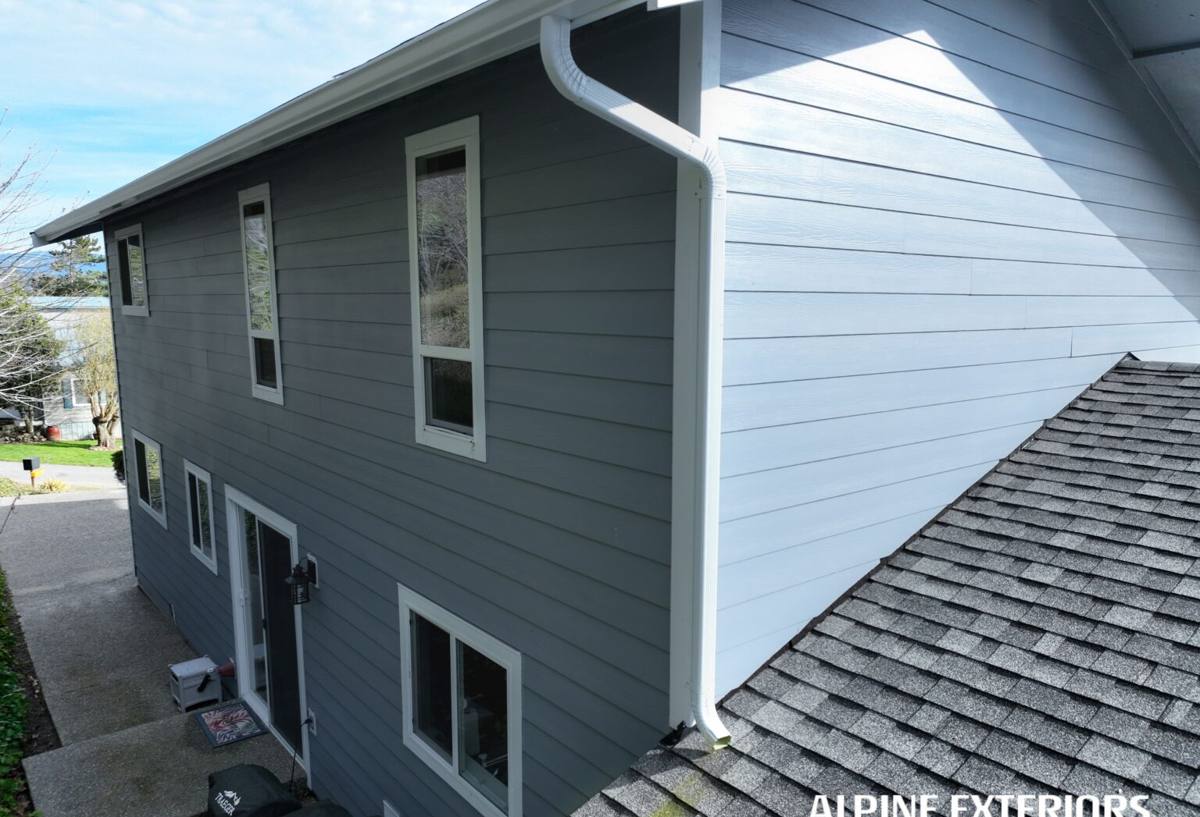
What Coastal Exposure Does to a Roof Over Time
Wind Load
Pinellas Point's exposure to open water means wind speeds during tropical systems can run higher than what inland St. Petersburg neighborhoods see. Metal roofing has a real advantage here when the panel system, clip spacing, and fastening pattern are matched to the site's actual wind exposure category rather than a generic minimum. Undersized fastening is one of the most common corners cut in metal roof installation, and it's invisible until the first major wind event.
Salt Air and Corrosion
Airborne salt accelerates corrosion on any exposed metal, including fasteners, flashing, and panel edges. This doesn't mean metal roofing is a poor choice near the water — quite the opposite, when the right alloys and coatings are used. It means fastener selection and detailing have to account for salt exposure specifically, not just general Florida humidity.
UV and Thermal Cycling
Florida sun is intense nearly every month of the year, and Pinellas Point gets its full share. Metal panels expand and contract with daily heat cycles, and finishes fade or chalk over time under sustained UV. A roof that isn't engineered to move a little at seams and fastener points will eventually work those connections loose.
Wind-Driven Rain
During tropical storms and heavy squalls, rain doesn't just fall — it's pushed sideways and upward under roof edges and around penetrations. This is where flashing detail work matters more than panel choice. Most metal roof leaks in this climate trace back to a flashing or penetration detail, not a failure of the panel itself.
Metal Panel Options and How They Perform Here
Not every metal roofing product is a good match for a coastal-adjacent neighborhood like Pinellas Point. Here's how the common options generally compare for this specific setting.
| Panel Type | Wind Performance | Salt-Air Durability | Best Fit |
|---|---|---|---|
| Standing seam (concealed fastener) | Excellent when properly clipped | Very good, especially with quality coatings | Most Pinellas Point homes, especially open or exposed lots |
| Exposed-fastener panel | Good, but fastener integrity is critical | Fair — fasteners are the weak point over time | Lower-exposure sections, secondary structures |
| Stone-coated steel | Good | Good with correct underlayment detailing | Homeowners wanting a shingle-like profile with metal durability |
| Aluminum standing seam | Excellent | Excellent — naturally corrosion-resistant | Waterfront or near-waterfront properties with heavy salt exposure |
For most of Pinellas Point, standing seam systems with concealed fasteners are the sensible default. They shed wind-driven rain better than exposed-fastener panels because there are no exposed penetrations for water to work into, and they hold up to repeated thermal cycling without loosening over the years the way exposed-fastener systems can.
What a Correct Metal Roof Installation Actually Involves
The panels themselves get most of the attention, but the parts of the job that determine whether the roof survives its first decade in this climate are less visible.
- Deck inspection and preparation: Any soft, water-damaged, or improperly fastened decking gets addressed before a single panel goes down. Metal over a compromised deck just hides a problem.
- Underlayment selection: A high-temperature, self-adhering underlayment is worth the upgrade in this climate — it's the backup layer if wind-driven rain ever gets past a seam or flashing point.
- Fastener and clip spec matched to wind exposure: Clip spacing and fastener type should reflect the property's actual exposure, not a one-size-fits-all minimum.
- Flashing at every penetration and transition: Valleys, wall transitions, vents, and chimneys are where leaks actually start. Each one needs its own correctly formed and sealed flashing detail.
- Edge and drip detail: Panel edges need to be finished so wind can't get underneath and start prying at seams during a storm.
- Corrosion-appropriate hardware: Fasteners, clips, and trim should be rated for coastal salt exposure, not generic interior-grade hardware.
Common Corners That Get Cut
We regularly see a few recurring shortcuts on metal roofs that weren't installed with this climate in mind: fastener spacing stretched beyond spec to save material, mismatched metals at flashing joints that accelerate galvanic corrosion, and underlayment skipped or downgraded to cut cost. None of these show up as a problem on day one. They show up two or three years in, usually right after the first significant storm.
Our Process for Pinellas Point Metal Roofing Projects
1. On-Site Assessment
We look at the existing roof structure, deck condition, current flashing details, and the specific wind exposure of the property — a home on a more open lot near the water gets treated differently than one tucked among mature trees and neighboring structures.
2. Panel and Spec Recommendation
Based on that assessment, we recommend a panel profile, gauge, and fastening approach suited to the site, and walk through the honest trade-offs — cost, maintenance, and appearance — so the decision is an informed one.
3. Deck and Structure Prep
Any decking or structural issues get corrected before installation starts. This is not an optional step we skip to save time.
4. Installation with Coastal Detailing
Panels, clips, fasteners, and flashing go in to spec, with particular attention to the details that matter most here: penetrations, valleys, edges, and wall transitions.
5. Final Walkthrough
We go over the completed roof with the homeowner, cover basic maintenance expectations, and make sure everything meets the standard we set at the start of the job.
Repairs and Maintenance for Existing Metal Roofs
Not every call in Pinellas Point is a full replacement. A lot of metal roofing in this area is fundamentally sound but needs attention at specific points — a flashing detail that was never quite right, fasteners that have started to back out or corrode, or a seam that's opened slightly after years of thermal cycling. These are usually addressable without a full tear-off, and catching them early is a lot cheaper than dealing with the water damage that follows a missed one.
Signs Worth a Look
- Visible rust streaking below fasteners or seams
- Loose or lifted panel edges after a windy stretch
- Interior stains near penetrations, vents, or wall-to-roof transitions
- Fasteners that look backed-out or have visibly degraded washers
- Chalking or noticeable finish fade, which can signal the coating is past its effective life
Cost Factors for Pinellas Point Homeowners
Metal roofing costs vary based on a handful of factors that matter more in this neighborhood than they would elsewhere.
| Factor | Why It Matters Here |
|---|---|
| Panel type and gauge | Heavier gauge and concealed-fastener systems cost more upfront but handle wind and salt exposure better long-term |
| Roof complexity | More valleys, penetrations, and transitions mean more flashing work, which is where cost and quality both concentrate |
| Exposure level | A more exposed lot near open water may call for tighter fastening specs than a sheltered one a few blocks inland |
| Existing deck condition | Deck repair or replacement, if needed, is a real cost factor that should be assessed before quoting, not after |
| Underlayment upgrade | A better underlayment is a modest cost increase relative to the protection it adds against wind-driven rain |
We give straightforward, itemized estimates so homeowners can see where the cost is actually going rather than a single lump number.
Why Local Experience in Pinellas Point Matters
A crew that regularly works this specific part of St. Petersburg has already seen how roofs here actually fail — which flashing details tend to be the weak point, how exposed a given street or block really is compared to what a generic wind map suggests, and which installation shortcuts show up as callbacks a year or two later. That's different knowledge than general Florida roofing experience. It comes from working this peninsula, on this bay, repeatedly.
If you're weighing a metal roof for a Pinellas Point home, or you've got an existing metal roof that needs a second look, we're happy to come out, take an honest look at what you've got, and walk through your options with no pressure and no sales script. A free estimate is a good starting point either way — use the form below to get one scheduled.