 St. Petersburg Siding
 Siding in Childs Park: Built for What Pinellas County Throws at It
Childs Park is one of St. Petersburg's long-established residential neighborhoods, with a housing stock that spans decades — mid-century block homes, ranch-style houses from the 1960s and '70s, and a steady mix of updated and original exteriors. Whatever the era of the house, the exterior cladding on every one of them is fighting the same battle: Florida sun, humidity, wind-driven rain, and the salt-laden air that reaches inland from Tampa Bay and the Gulf. Siding in this part of St. Petersburg doesn't get a break from the weather, and it shows on homes where the wrong material was used or the installation cut corners.
We work throughout Pinellas County, and Childs Park gets the same attention to climate-specific detail as every other neighborhood on our list — because siding that isn't engineered for this environment tends to fail here faster than it would almost anywhere else in the country.
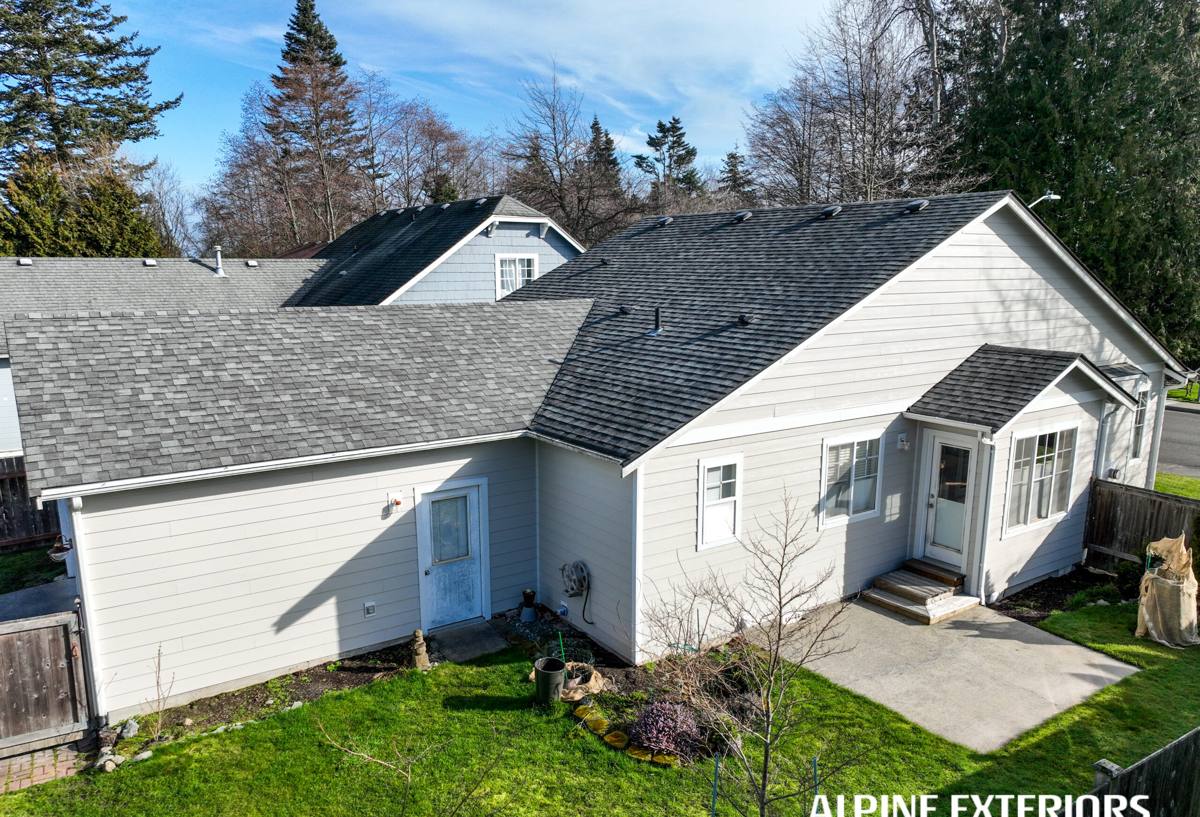
What Pinellas County Climate Does to Exterior Siding
A handful of specific conditions drive most of the siding problems we see on service calls in and around St. Petersburg:
- Hurricane-force wind events: Even homes outside a storm's direct path take sustained wind loads and wind-driven debris impact multiple times per season.
- Intense, near-constant UV exposure: Florida gets more sun hours per year than most of the country, and UV breaks down pigments, sealants, and lower-grade composite materials over time.
- Wind-driven rain: Rain here rarely falls straight down. It's pushed sideways into wall assemblies, which stresses every seam, joint, and piece of trim on a home's exterior.
- Salt air: Even well inland from the immediate coastline, salt carried on Gulf breezes accelerates corrosion of fasteners and degrades certain siding finishes faster than manufacturers' national warranty language accounts for.
- Humidity and moisture cycling: Constant swings between saturated and dry conditions punish any siding material that absorbs water or swells and shrinks with moisture content.
None of this is unique to Childs Park specifically — it's the reality across St. Petersburg and Pinellas County. But it's exactly why the siding choice and the installation quality matter more here than they would in a drier, calmer climate.
Why We Only Install James Hardie Fiber Cement
We made a decision a long time ago to stop installing several products that are common elsewhere in the industry — vinyl siding, LP SmartSide, Cemplank, Allura, and primed wood products like spruce or cedar lap. We still get asked about all of them, so it's worth explaining honestly why we don't put them on Pinellas County homes.
Vinyl
Vinyl is affordable and easy to install, and in cooler, calmer climates it holds up reasonably well. In a hurricane-prone coastal county, it's a different story: vinyl softens and can warp under sustained heat, becomes brittle with UV exposure over the years, and is one of the more vulnerable claddings in high wind events — panels can crack or blow off outright. It's also not something we can realistically stand behind for a home that needs to perform through hurricane season year after year.
Wood-based composites (LP SmartSide) and primed wood
Engineered wood siding and traditional primed wood both rely on a factory or field-applied coating to keep moisture out. That coating is the whole ballgame — once it's compromised at a cut edge, a fastener hole, or a failed caulk joint, the wood-based substrate underneath can swell, delaminate, or rot. In a climate with this much humidity and wind-driven rain, maintaining that moisture barrier perfectly, forever, isn't realistic for most homeowners.
Other fiber cement brands (Cemplank, Allura)
This one's less about the base material — fiber cement itself is sound — and more about the system around it. We standardized on one manufacturer because it lets us guarantee consistent product specs, a factory-applied finish we trust, and a warranty structure we understand completely and can explain accurately to every homeowner. Mixing brands mixes those guarantees.
What James Hardie gets right for this climate
James Hardie fiber cement is non-combustible, doesn't absorb water the way wood-based products do, and is engineered specifically for humid, storm-prone climates through its HZ5 product line — built for exactly the wind, moisture, and humidity profile Pinellas County sees every year. The ColorPlus factory-applied finish is baked on under controlled conditions and holds color significantly longer under intense UV than field-applied paint, and it comes with a real, transferable warranty. It's not the cheapest material on the market, but it's the one we're willing to install and stand behind on every home we work on, including throughout St. Petersburg.
What a Siding Project Looks Like in Childs Park
Every home is different, but the process generally follows the same path:
- On-site assessment: We look at the current siding, the condition of the sheathing and framing underneath where accessible, and any trouble spots — window and door flashing, corners, areas with prior water intrusion.
- Removal and inspection: Old siding comes off and we check the wall assembly underneath before anything new goes up. This is often where hidden moisture damage from a previous installation shows up.
- Moisture barrier and flashing: Proper house wrap and flashing detail around every penetration is what actually keeps wind-driven rain out — the siding itself is the second line of defense, not the first.
- Hardie installation to manufacturer spec: Correct fastener spacing, proper clearances, and joint treatment matter enormously in a high-wind, high-humidity market. Installed wrong, even the best material underperforms.
- Trim, caulking, and final detail work: The finish work is what determines how the house actually holds up to the next few storm seasons.
Beyond Siding: Roofing, Windows, and Decks
Siding doesn't work in isolation — it's one piece of a home's exterior envelope. We also handle roofing, windows, and decks, because these systems interact directly with each other. A roof leak can show up as siding damage two floors down. Failing window flashing can rot the wall assembly behind brand-new siding. And an aging deck exposed to the same UV and humidity is often the first thing on a property to show its age. Homeowners in Childs Park who are evaluating siding often find it's worth a broader look at the whole exterior at the same time, since addressing related issues together is usually more efficient than tackling them one at a time over several years.
Cost Factors for a Siding Project
Every home and project scope is different, so we don't quote pricing without seeing the house, but these are the main variables that drive cost on most Pinellas County siding jobs:
| Factor | Why It Matters |
|---|---|
| Home size and wall area | More square footage means more material and labor hours |
| Number of stories | Second-story and multi-story work requires more scaffolding, staging, and time |
| Current siding removal | Tear-off adds labor versus installing over an existing prepped surface (when appropriate) |
| Substrate condition | Rotted sheathing or framing found during removal adds repair scope |
| Hardie product line and profile | Lap, shingle, and panel profiles carry different material and labor costs |
| Trim and architectural detail | Corner boards, window trim, and accent details add labor time |
| Color and finish selection | ColorPlus factory finishes versus field painting affect both cost and long-term maintenance |
Choosing a Contractor for Exterior Work in Childs Park
Siding, roofing, and window work all require a building permit in St. Petersburg, and the quality of the installation matters as much as the material. A few things worth checking before hiring anyone for exterior work:
- Active Florida contractor license, verifiable through the state license lookup
- Proof of current liability insurance and workers' compensation coverage
- Manufacturer-specific training or certification for the products they're installing
- A written scope of work that specifies the exact product line, not just "Hardie siding" or "fiber cement"
- A clear explanation of how they'll handle moisture barrier, flashing, and fastening — not just the visible finish
- Willingness to pull the required permit rather than suggesting you skip it
Local, licensed crews who work in this climate regularly understand details that out-of-area installers often miss — how far fasteners need to sit from panel edges in a high-wind zone, how to detail flashing around windows to handle wind-driven rain, and which corners simply can't be cut on a coastal Florida home.
How Long Should Siding Last in This Climate
Properly installed James Hardie siding is built to hold up for decades in coastal, hurricane-prone conditions, backed by a real transferable warranty on both the substrate and the ColorPlus finish. That said, "properly installed" is doing a lot of work in that sentence — the same product installed with poor flashing detail or incorrect fastening will underperform its potential regardless of what the warranty paperwork says. Longevity here comes down to the combination of the right material and a crew that installs it to spec, every time, on every home.
If you're weighing a siding project — or a roof, window, or deck project — on a Childs Park home, we're happy to take a look and talk through what we're actually seeing on your house, no pressure and no obligation. Reach out using the form below to schedule a free estimate.