 St. Petersburg Siding
 A Neighborhood Built Before Anyone Was Thinking About Hurricane Ratings
Historic Kenwood is one of St. Petersburg's older residential neighborhoods, known for its concentration of early-twentieth-century bungalow and Craftsman-style homes. Most of that housing stock predates modern wind-load codes, modern house wrap, and modern exterior materials by decades. That's part of the neighborhood's charm — deep porches, wood trim details, a walkable street grid — but it also means a lot of these homes are still wearing siding, trim, and roofing that was never engineered for what Pinellas County weather actually throws at a house today.
We work on homes across St. Petersburg, and Historic Kenwood comes with its own set of considerations: older wall assemblies, original wood or early replacement siding that's had 50-plus years of sun and salt air working against it, and in some cases a genuine interest from homeowners in keeping the historic look intact rather than modernizing it away. Good exterior work here means understanding both of those things — the building science and the neighborhood character — not just showing up with whatever product is cheapest to install.
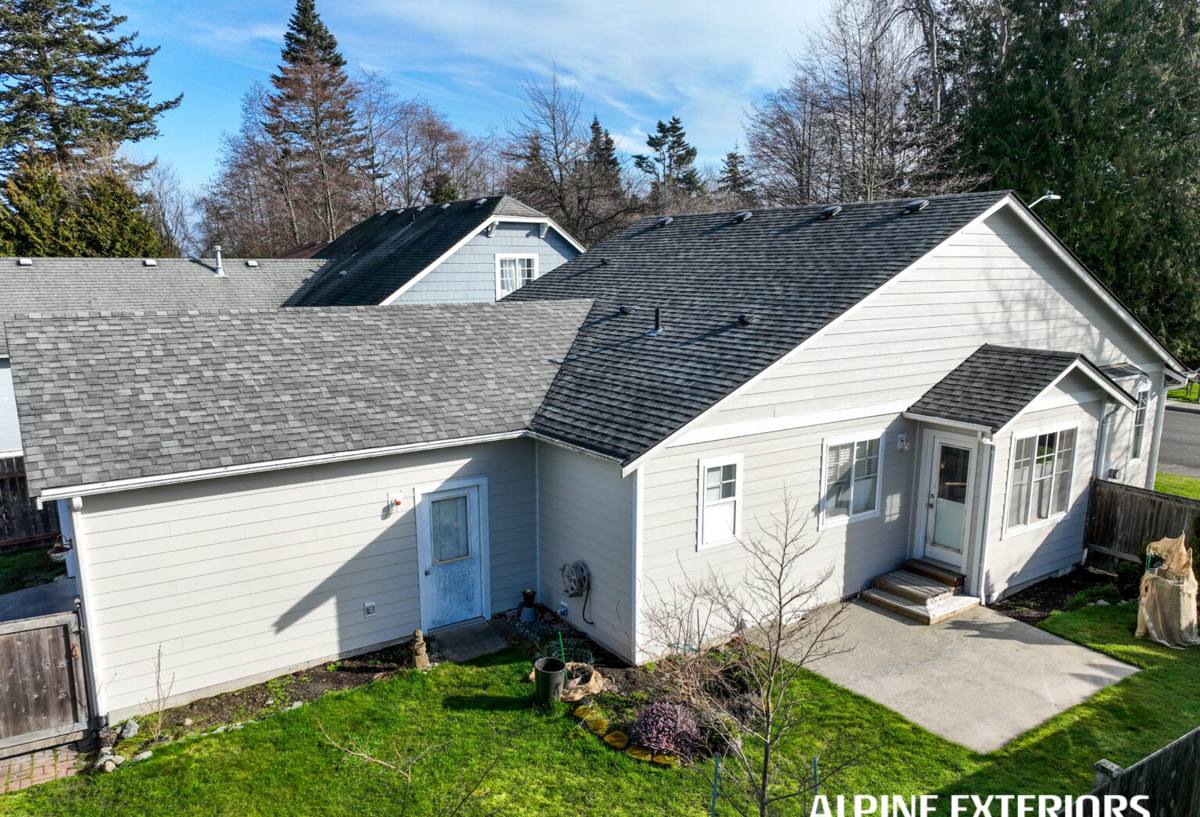
What Hurricane Wind, UV, and Salt Air Actually Do to a Kenwood Home
St. Petersburg sits on a peninsula, and Historic Kenwood is close enough to the bay and the Gulf that salt-laden air is a constant, low-grade stressor on every exterior surface. Combine that with Florida's UV exposure — among the most intense in the continental U.S. — and wind-driven rain during our tropical storm and hurricane season, and you get a climate that's genuinely hard on building materials, especially materials that were never designed for it.
On an older home, this shows up as a few predictable problems:
- Original wood clapboard that's been painted over so many times the wood underneath is soft, checked, or rotting at the butt joints
- Paint that fails faster than it should because UV is breaking down the film coat every summer
- Trim and fascia boards absorbing wind-driven rain at unsealed seams, leading to rot that isn't visible from the street
- Metal fasteners and hardware corroding faster near the coast, which weakens the whole assembly over time
- Gaps and movement in old siding that let moisture behind the wall plane, where it does the most damage
None of this is unique to Kenwood — it's the reality for older housing stock anywhere in the Tampa Bay area. But because so many of these homes still have original or near-original exterior materials, the cumulative wear is often more advanced than it looks from the sidewalk.
Keeping the Bungalow Character While Fixing the Underlying Problem
A lot of homeowners in older St. Petersburg neighborhoods are understandably cautious about siding replacement — they don't want a historic bungalow to end up looking like a builder-grade suburban house. That's a reasonable concern, and it's one we take seriously when we scope a project in Kenwood.
The good news is that modern fiber cement siding, run in a traditional lap profile with a smooth or cedar-textured finish, reads very close to painted wood clapboard from the street — closer than vinyl or most engineered wood products manage. Trim widths, reveal size, and corner detailing can be matched to the home's existing proportions so the replacement doesn't announce itself as "new siding," it just looks like a well-maintained version of what was always there.
If your property is within a locally designated historic district or has any overlay requiring architectural review for exterior changes, that's worth confirming with the City of St. Petersburg before work starts — we can work within those parameters, but it's the homeowner's standing requirement to check, not something we assume either way.
Why We Only Install James Hardie Fiber Cement
We install James Hardie siding exclusively. We don't install vinyl, LP SmartSide, Cemplank, Allura, or primed wood species like spruce or cedar, and we're upfront about why: in a climate like ours, the material you choose determines how much maintenance you're signing up for and how long the job actually lasts.
| Material | What it gets right | Where it struggles in this climate |
|---|---|---|
| Vinyl siding | Low upfront cost, no painting required | Can warp or become brittle under sustained UV and heat; lower wind resistance ratings than fiber cement; look reads as less authentic on a historic bungalow |
| Engineered wood (LP SmartSide, etc.) | Easier to cut and handle, wood-like appearance | Wood-strand core is more vulnerable to moisture intrusion at cut edges and seams; needs disciplined caulking and maintenance to hold up near salt air |
| Primed wood species (spruce, cedar) | Traditional look, repairable | Requires the most ongoing maintenance of any option — repainting, caulking, and moisture monitoring on a recurring cycle; most susceptible to rot near the coast |
| James Hardie fiber cement | Non-combustible, factory-baked ColorPlus finish, engineered HZ product line for humid climates, strong transferable warranty | Higher upfront material and labor cost; installation must follow Hardie's specs precisely to get the performance the product is rated for |
Hardie's HZ5 product line is engineered specifically for humid, high-moisture climates like ours, and the ColorPlus factory finish is baked on under controlled conditions rather than field-painted, which is a meaningful difference when UV exposure is this constant. It's also a non-combustible material, which matters to some homeowners independent of the weather argument. None of this means other products are without merit — it means that after years of doing exterior work in Pinellas County, this is the material we're willing to warranty our workmanship against.
What Correct Installation Actually Involves
Fiber cement siding performs the way it's rated to perform only when it's installed to spec. This is where a lot of the real-world problems with any siding product — Hardie included — actually originate: not the material, but the installation.
On an older Kenwood home, that means paying attention to:
- What's underneath. Old sheathing, especially anything with hidden rot, needs to be found and addressed before new siding goes over it — covering a problem doesn't solve it.
- Proper water-resistive barrier and flashing at every window, door, and penetration, so wind-driven rain has a drainage path instead of a trap.
- Correct fastener placement and spacing, per Hardie's published specs, which affects both wind performance and long-term panel integrity.
- Clearance and sealant details at trim, corners, and grade level, where most moisture problems on older homes actually start.
This is also where hurricane wind resistance is won or lost. A wall assembly can use a great product and still underperform in a storm if the fastening schedule or flashing was done wrong. We install to manufacturer spec because that's what keeps the warranty valid and the wall assembly doing its job during the next tropical system.
Siding Is Rarely the Only Thing That Needs Attention
On homes in this age range, siding problems don't usually show up alone. Roofing, windows, and even decks tend to be wearing out on similar timelines, because they were all exposed to the same sun, salt, and storms for the same number of years. We handle all four — siding, roofing, windows, and decks — which matters on a project like this because water intrusion at a roofline or window flashing can undermine even a perfect siding install if it's not addressed as part of the same scope.
When we evaluate a Kenwood property, we're looking at the whole exterior envelope, not just the wall surface. If your roof is near the end of its service life or your original single-pane windows are contributing to moisture and energy problems, it's worth knowing that before committing to a siding-only project.
What Drives Cost on a Historic-Area Siding Job
| Factor | Why it matters here |
|---|---|
| Condition of existing sheathing | Rot repair on older homes adds labor and material cost that isn't visible until removal begins |
| Trim and detail complexity | Matching historic proportions (corner boards, window trim, porch details) takes more time than a flat modern elevation |
| Home size and story count | Straightforward square footage math, but older two-story homes may need more scaffolding/access work |
| Color and finish selection | Factory ColorPlus finishes have different pricing tiers than field-painted options |
| Overlapping roof or window work | Bundling scopes can reduce duplicate mobilization and flashing work versus separate projects |
Hiring a Contractor for Older-Home Exterior Work
Older neighborhoods attract a wide range of contractors, and not all of them are equipped to deal with what's actually behind the walls of a 1920s bungalow. Before you sign anything, it's worth asking:
- Is the crew doing the installation local to the Tampa Bay area, or subcontracted out to whoever's available that week?
- Will they inspect and document sheathing condition before quoting a final price, or is the estimate a guess based on the exterior alone?
- Are they installing to the manufacturer's published fastening and flashing specs, and can they explain what that involves?
- Is the material warranty transferable, and is it backed by a workmanship warranty from the installer as well?
- Do they carry proper licensing and insurance for exterior work in Pinellas County?
A contractor who can't answer these clearly, or who's pushing a specific product without explaining the trade-offs, is worth a second look before you commit.
Get a Straight Answer on What Your Home Needs
Every home in Historic Kenwood has its own history — different past repairs, different amounts of sun and storm exposure, different underlying wall conditions. We'd rather look at the actual house than guess from the street. If you'd like a free, no-pressure estimate on siding, roofing, windows, or decks, the form below gets you started — no obligation, just an honest read on where things stand.