 St. Petersburg Siding
 Exterior Work in Roser Park: What Makes This Neighborhood Different
Roser Park is one of the older, more established residential pockets in St. Petersburg, and homes here carry a different set of maintenance realities than a lot of newer Pinellas County construction. Many of the houses in and around this part of the city were built well before modern fiber cement siding, house wrap, and flashing details existed, which means when it's time to re-side, re-roof, or replace windows, the job usually involves correcting decades of prior repairs along with installing new material. Add in the mature tree canopy that gives neighborhoods like this their character, and you get homes that deal with more shade, more debris, more moisture retention against the walls, and more gutter and roof maintenance than a house sitting in open sun on a treeless lot.
None of that is a reason to avoid a neighborhood like this — it's just context that changes how we approach the work. A crew that only knows how to nail up material on a bare, modern stem-wall house is going to miss things on an older St. Petersburg property. We look at the whole envelope: siding, trim, roof, windows, and decks, because on older homes those systems are more interdependent than people expect.
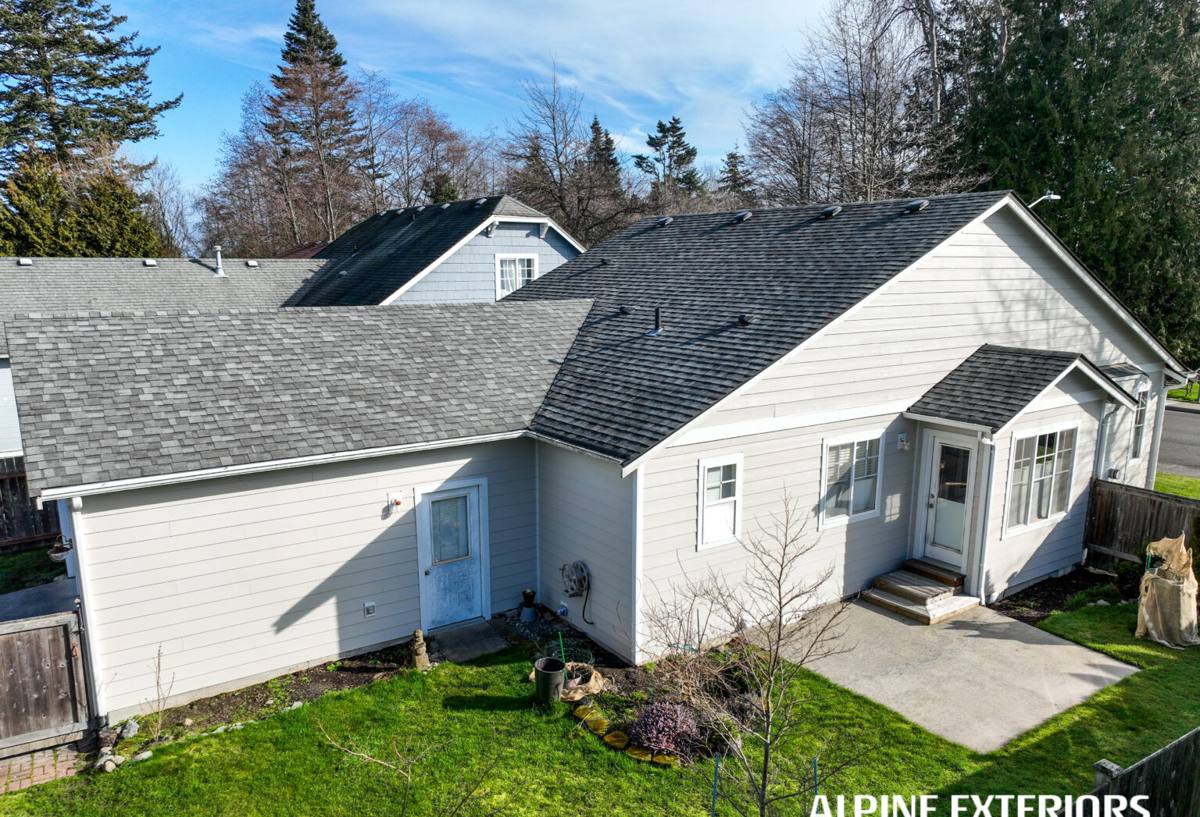
The Climate Factor: Why Pinellas County Exteriors Take a Beating
St. Petersburg sits on a peninsula surrounded by Tampa Bay and the Gulf of Mexico, and that geography drives everything about how exteriors age here. Four factors matter most:
- Hurricane-force wind events: Even when a storm doesn't make a direct hit, Pinellas County regularly sees tropical-storm and hurricane-force gusts that test every fastener, seam, and piece of trim on a house.
- Intense, near year-round UV exposure: Florida sun is harder on paint, caulk, and cheap composite materials than sun in most of the country. Products that aren't engineered for this exposure chalk, fade, and crack faster than manufacturers' marketing suggests.
- Wind-driven rain: It's not just how much it rains, it's how the rain hits the wall. Wind-driven rain forces water into laps, seams, and butt joints that would stay dry in a calmer climate, which is why installation detail matters as much as the product itself.
- Salt air: Being close to the bay means airborne salt accelerates corrosion on fasteners, flashing, and metal components, and it degrades some coatings faster than inland exposure would.
Put those four together and you understand why we're picky about what goes on a wall in this county. A product that performs fine in a mild, dry climate can fail in ways homeowners don't expect once it's dealing with salt air, sideways rain, and hurricane gusts every year.
Why We Only Install James Hardie Fiber Cement Siding
We get asked regularly why we don't offer vinyl, LP SmartSide, Cemplank, Allura, or wood siding options. The honest answer is that after years of doing exterior work in this climate, we standardized on one product because it's the one we trust to hold up without surprises.
What James Hardie Gets Right for This Climate
- Non-combustible core: Fiber cement doesn't feed a fire the way wood-based or vinyl products can, which matters for insurance conversations and peace of mind alike.
- Engineered for humidity and moisture cycling: Hardie's HZ5 product line is specifically formulated for high-humidity, high-moisture climates like ours, rather than being a one-size-fits-all product shipped to every region.
- Factory-applied ColorPlus finish: The color and topcoat are baked on in a controlled factory environment, not brushed on a jobsite, which gives far more consistent, UV-resistant results than field-applied paint.
- Dimensional stability: Fiber cement doesn't expand, contract, warp, or swell with humidity swings the way wood-based composite products can, which keeps joints and caulk lines tighter for longer.
- Strong transferable warranty: Hardie backs its material with a long-term limited warranty that's designed around real-world performance data, not just a marketing number.
We're not saying every other product on the market is worthless — some have real strengths in the right application. But when we weigh moisture behavior, long-term maintenance burden, and how a product actually performs after ten or fifteen Florida summers, James Hardie is the one we're willing to put our name behind. That's why it's the only siding brand we install, full stop.
What "Done Right" Actually Means for a Hardie Installation
James Hardie siding is only as good as the installation behind it. The product itself is engineered well, but a sloppy install can undercut every advantage it offers. Correct installation on a Roser Park home typically involves:
- Substrate inspection: Checking the sheathing and framing behind the old siding for rot, prior water intrusion, or pest damage before anything new goes up — common on older housing stock.
- Proper water-resistive barrier: Installing house wrap or building paper correctly lapped, sealed, and integrated with window and door flashing.
- Correct fastening pattern: Hardie specifies fastener type, spacing, and embedment depth precisely; deviating from spec is one of the most common ways installers void the warranty without realizing it.
- Proper clearances: Maintaining the manufacturer-specified gap between siding and roofing, decks, and grade to prevent wicking moisture into the board's cut edges.
- Sealed and primed cut edges: Factory finish covers the face of the board, but every field cut needs to be sealed per manufacturer instructions to prevent moisture uptake at the edge.
- Correct caulking and joint treatment: Using compatible sealants at butt joints and penetrations, not general-purpose caulk that will fail under UV exposure long before the siding does.
Skipping any one of these steps doesn't necessarily cause an immediate problem — it causes a slow one, showing up as swelling, staining, or premature paint failure a few years down the line. That's the trap with siding work: bad installation and good installation can look identical on install day.
Roofing, Windows, and Decks: The Rest of the Envelope
Siding doesn't work in isolation, especially on older St. Petersburg homes where the roof, windows, and any attached decks all interact with how water moves around the house.
Roofing
A roof in poor condition undermines new siding fast — overflow from clogged or undersized gutters, or wind-driven rain finding its way under compromised shingles or flashing, ends up running down exterior walls regardless of how good the siding is. When we're on-site for siding work, we look at roof condition, flashing at wall-roof intersections, and gutter function as part of the whole picture.
Windows
Window flashing and integration with new siding is one of the most common failure points in any re-side project. If old window flanges aren't properly tied into the new water-resistive barrier and siding, you can end up with a leak path that didn't exist before the work started. On older homes, this is also often the right moment to evaluate whether existing windows are still performing, especially given wind-load and impact considerations in this part of Florida.
Decks
Decks attached to the house create a siding transition point that needs careful flashing and clearance detailing — a common spot for rot on older homes where the deck ledger board meets the wall. Sun and moisture cycling also take a toll on deck materials themselves, so if a deck is part of the scope, we plan the ledger and siding transition together rather than as two disconnected trades.
Comparing Approaches: Patch Repairs vs. Full Re-Side
Homeowners in older neighborhoods often ask whether they can get by with spot repairs instead of a full re-side. Sometimes that's reasonable; sometimes it just delays a bigger cost. Here's how the tradeoffs generally break down:
| Factor | Spot Repair | Full Re-Side |
|---|---|---|
| Upfront cost | Lower | Higher |
| Addresses hidden substrate damage | Only where accessed | Fully exposed and assessed |
| Color/finish consistency | Often mismatched over time | Uniform, factory-finished |
| Warranty coverage | Limited to repaired section | Full manufacturer warranty on new work |
| Best suited for | Isolated, recent damage on otherwise sound siding | Aging, failing, or heavily patched exteriors |
The honest answer is that spot repairs make sense when the rest of the siding is genuinely sound and the damage is isolated. Once a house has multiple patched areas, visible substrate issues, or siding that's simply reached the end of its service life, a full re-side is usually the more cost-effective decision over a 10-15 year horizon, because you're not repeatedly paying labor to chase small problems on a system that's failing globally.
A Practical Checklist Before You Commit to Exterior Work
- Get a written scope that specifies exact products, including Hardie plank profile and color line, not just "fiber cement siding."
- Confirm whether the water-resistive barrier and flashing will be replaced or reused.
- Ask how cut edges will be sealed and what caulk/sealant products will be used.
- Check that the fastening schedule matches Hardie's published installation instructions for your wind zone.
- Ask whether roof, gutter, and window conditions will be assessed as part of the project, not treated as unrelated to the siding.
- Confirm licensing and insurance, and ask how warranty claims (both manufacturer and workmanship) are handled if an issue comes up later.
- Get clarity on how debris, landscaping, and mature trees on the property will be protected during the work.
Why a Local Crew Matters in Neighborhoods Like Roser Park
Older, tree-lined neighborhoods close to the water in St. Petersburg present logistical realities that a crew unfamiliar with the area can miss — narrower lots, mature landscaping that needs protecting, on-street parking constraints, and older homes where "standard" measurements and stud spacing don't always apply. A crew that regularly works in Pinellas County neighborhoods like this one already knows to expect these conditions and plans around them instead of being surprised mid-project.
Local presence also matters after the job is done. Warranty service, follow-up questions, and storm-season check-ins are a lot more meaningful when the company doing the work is a short drive away and familiar with your specific neighborhood's housing stock, rather than a crew that passed through once and moved on.
Get a Free, No-Pressure Estimate
If you're weighing your options for siding, roofing, windows, or a deck on a Roser Park property, we're happy to take a look and give you a straight assessment of what your home actually needs — no upsell script, no pressure. Fill out the form below and we'll schedule a time to come take a look.