 St. Petersburg Siding
 Cedar Siding Isn't a Bad Product — It's a Bad Fit for This Climate
We get asked about cedar siding often enough that it's worth writing down our actual position instead of giving a vague answer at the door. Cedar is a real, respected building material with a long history. It looks good, it smells good during installation, and homeowners who grew up around it in other parts of the country tend to associate it with quality. None of that is wrong.
What's wrong is putting it on a house in St. Petersburg and expecting it to perform the way it does in a drier, cooler climate. We stopped installing cedar siding years ago, and this page explains exactly why — not to talk cedar down, but to be straight with homeowners before they spend real money on a product that fights the Gulf Coast every day of its life.
What Cedar Siding Gets Right
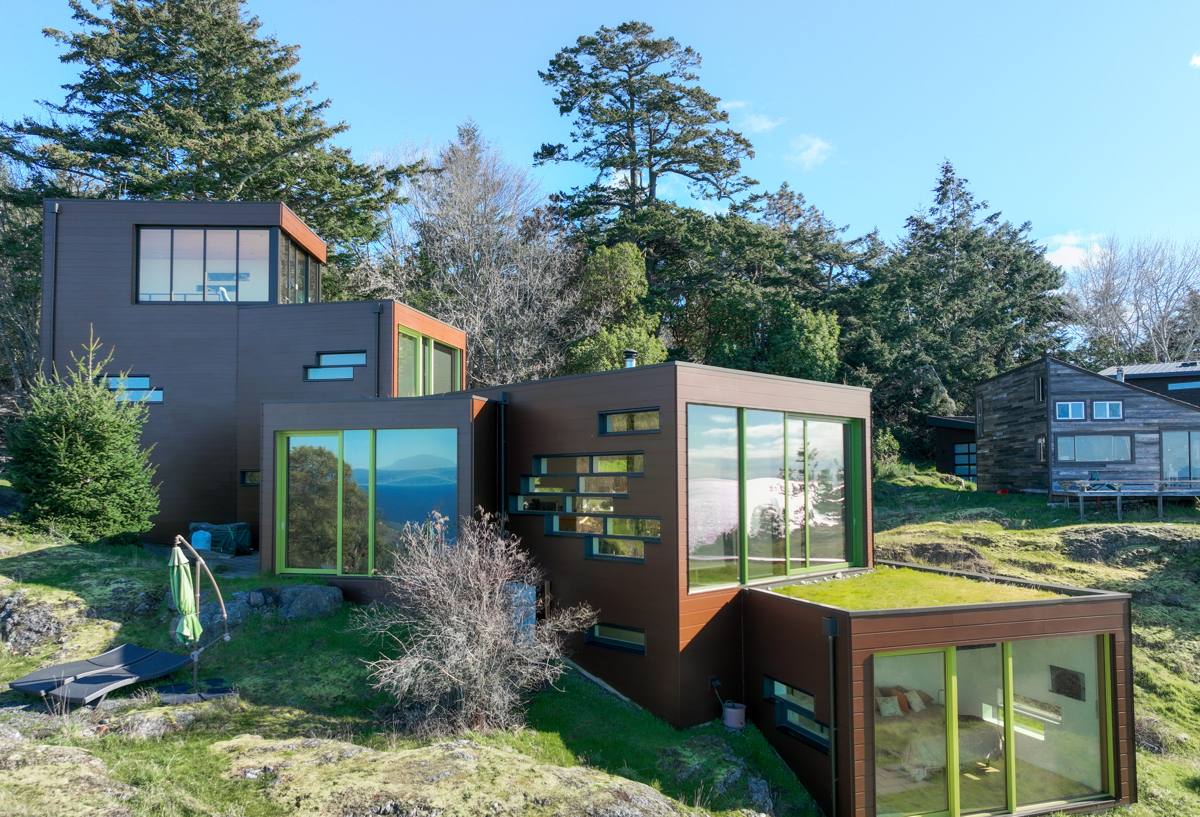
Credit where it's due. Cedar has natural oils that give it some inherent resistance to insects and decay compared to other softwoods. It's lightweight, workable, and takes stain or paint well when it's new. Architecturally, it has a warmth and texture that fiber cement and vinyl try to imitate but rarely match exactly. If you're building in a mountain climate with low humidity and moderate sun exposure, cedar can genuinely last decades with reasonable upkeep.
The problem isn't the wood. It's Pinellas County.
The Real Problem: St. Petersburg's Climate Working Against Wood
Humidity and Wind-Driven Rain
St. Petersburg sits on a peninsula surrounded by water, which means the air carries more moisture on an average Tuesday than most cities see in a wet week. Cedar is a natural, permeable material — it absorbs and releases moisture constantly. In a low-humidity climate, that cycle is slow and manageable. Here, with afternoon storms that come in sideways off the bay and humidity that rarely drops, the wood is almost always taking on water faster than it can dry out. That constant swelling and shrinking is what opens the door to cupping, splitting, and eventually rot at butt joints and fastener points — the exact spots where water collects and lingers.
Intense, Year-Round UV
Florida sun isn't seasonal the way it is up north. Cedar's natural color and any stain or paint finish applied to it starts breaking down almost immediately under that kind of UV load. Left unmaintained, cedar siding in this area will silver and gray within a couple of years and start losing surface integrity well before that if it isn't recoated on schedule.
Salt Air and Coastal Corrosion
Even homes that aren't waterfront in St. Petersburg get salt-laden air carried in off Tampa Bay and the Gulf. Salt accelerates the breakdown of wood fibers and finishes, and it's brutal on the fasteners holding the siding on. Standard fasteners corrode faster near the coast, and once a fastener starts to fail, it creates a water entry point right into the wood.
Hurricane Season and Wind Exposure
Pinellas County deals with real hurricane risk — sustained tropical-storm and hurricane-force winds, horizontal rain, and wind-driven debris. Cedar boards, especially once they've started to warp or thin from moisture cycling, don't hold fasteners as well as they did when new, and wind uplift finds those weak points. It's not that cedar can't be installed to withstand wind — it's that the same climate forces that damage the wood over time also compromise its ability to perform in the next storm.
The Maintenance Reality Homeowners Don't Hear About
Every wood siding installer will tell you cedar needs maintenance. What often doesn't get said clearly enough is how often, and how unforgiving the schedule is once you fall behind. In this climate, that's not a five-year conversation — it's closer to every two to three years for restaining or repainting, with annual inspection for caulking failures, fastener corrosion, and early rot at seams, trim, and anywhere siding meets a roofline or deck ledger.
Miss a cycle because of a busy year or a stretch of storms, and you're not just behind — you're often looking at board replacement instead of simple recoating, because the damage has already started underneath the finish where you can't see it.
Cost Over Time: Cedar vs. Fiber Cement
The sticker price on cedar can look competitive with fiber cement at installation. The real comparison only shows up when you factor in what it costs to keep either product looking and performing well over 15-20 years in this specific climate.
| Factor | Cedar Siding | James Hardie Fiber Cement |
|---|---|---|
| Finish durability | Stain/paint typically needs renewal every 2-3 years in Gulf Coast sun | ColorPlus factory finish is baked on and warranted, typically holds far longer |
| Moisture behavior | Absorbs and releases moisture; prone to cupping, splitting, rot | Engineered to resist moisture-driven warping and rot |
| Insect vulnerability | Some natural resistance, but not immune, especially once finish fails | Not a food source for termites or wood-boring insects |
| Fire behavior | Combustible | Non-combustible fiber cement |
| Typical upkeep routine | Frequent recoating, caulk checks, board replacement over time | Occasional washing and caulk checks; no recoating cycle required |
| Warranty structure | Varies by installer; finish and material typically warranted separately, if at all | Manufacturer-backed, transferable warranty on both product and factory finish |
This isn't a claim that cedar is a scam or that every cedar installation fails — it's that the ongoing labor and material cost of keeping wood siding sound in this specific environment adds up faster than most homeowners expect when they're comparing sticker prices.
Insurance and Fire Considerations
Wood siding is combustible, and in Florida's insurance market — where carriers are already scrutinizing roofing, opening protection, and exterior materials closely — that can factor into premiums or underwriting decisions. Fiber cement's non-combustible rating is increasingly something insurers ask about directly. It's worth checking with your carrier before assuming siding material won't affect your policy.
Why Installation Sensitivity Matters With Cedar
Cedar siding punishes shortcuts more than most materials. Proper installation requires back-priming every board on all six sides before it goes up, correct fastener spacing and type to allow for wood movement, rainscreen or drainage detailing behind the siding, and meticulous caulking and flashing at every penetration and joint. Skip or rush any of that — which happens more often than homeowners realize, because it's slow, labor-intensive work — and you've shortened the lifespan of the whole installation before the first hurricane season even tests it. We'd rather not install a product where a single missed step in humid, storm-exposed conditions can undo years of otherwise good work.
What We Install Instead: James Hardie Fiber Cement
This is why we standardized on James Hardie fiber cement siding and don't install cedar, LP SmartSide, vinyl, or other wood and wood-composite alternatives. Hardie's HZ5 product line is engineered specifically for climates like ours — hot, humid, and hurricane-exposed. It's non-combustible, it doesn't feed insects, and it holds up to moisture cycling in a way raw or engineered wood products structurally can't match.
The ColorPlus factory finish process bakes color onto the board under controlled conditions before it ever reaches your house, which is a meaningfully different proposition than a field-applied stain fighting Florida sun from day one. Hardie backs the product with a strong, transferable warranty — which matters if you sell the house before the siding's functional life is up. When it's installed to manufacturer spec, with correct fastening, flashing, and clearances for our climate, it's a product we're comfortable standing behind for the long haul on a St. Petersburg roof — not just the year it goes up.
If You're Still Considering Wood Siding, Ask These Questions First
- Who is responsible for the maintenance schedule, and what happens if it slips a year or two?
- Is the wood back-primed on all sides before installation, not just face-primed?
- What drainage or rainscreen detailing is behind the siding to manage the moisture this climate produces?
- What fastener material is being used, and how does it hold up to salt air exposure?
- Does the installer offer any warranty on workmanship separate from the material manufacturer's warranty, if one exists?
- Has your insurance carrier confirmed how the material choice affects your premium or coverage?
Our Bottom Line
Cedar siding isn't junk. It's a wood product performing exactly the way wood performs when it's asked to handle Pinellas County humidity, salt air, relentless UV, and hurricane season year after year — which is to say, it needs more upkeep than most homeowners want to sign up for, and it's less forgiving when that upkeep gets missed. We'd rather install one product well, understand its behavior completely, and back it with confidence than offer a menu of materials we can't fully stand behind in this environment.
If you're weighing siding options for a home in St. Petersburg or anywhere in Pinellas County, we're glad to come take a look, talk through what we see on your specific house, and give you a straight answer — not just a sales pitch. Reach out for a free, no-pressure estimate using the form below.