 St. Petersburg Siding
 A Bayside Neighborhood With Its Own Exterior Challenges
Shore Acres sits close to Tampa Bay, and that proximity to open water shapes almost everything about how an exterior holds up here. Homes in this part of St. Petersburg deal with a different combination of stresses than a house ten miles inland: near-constant humidity, salt-laden air blowing off the bay, intense year-round UV exposure, and the very real possibility of hurricane-force wind and wind-driven rain during storm season. None of these factors on their own is unusual for Pinellas County. Together, and applied continuously to the same siding, trim, and roofline year after year, they add up fast.
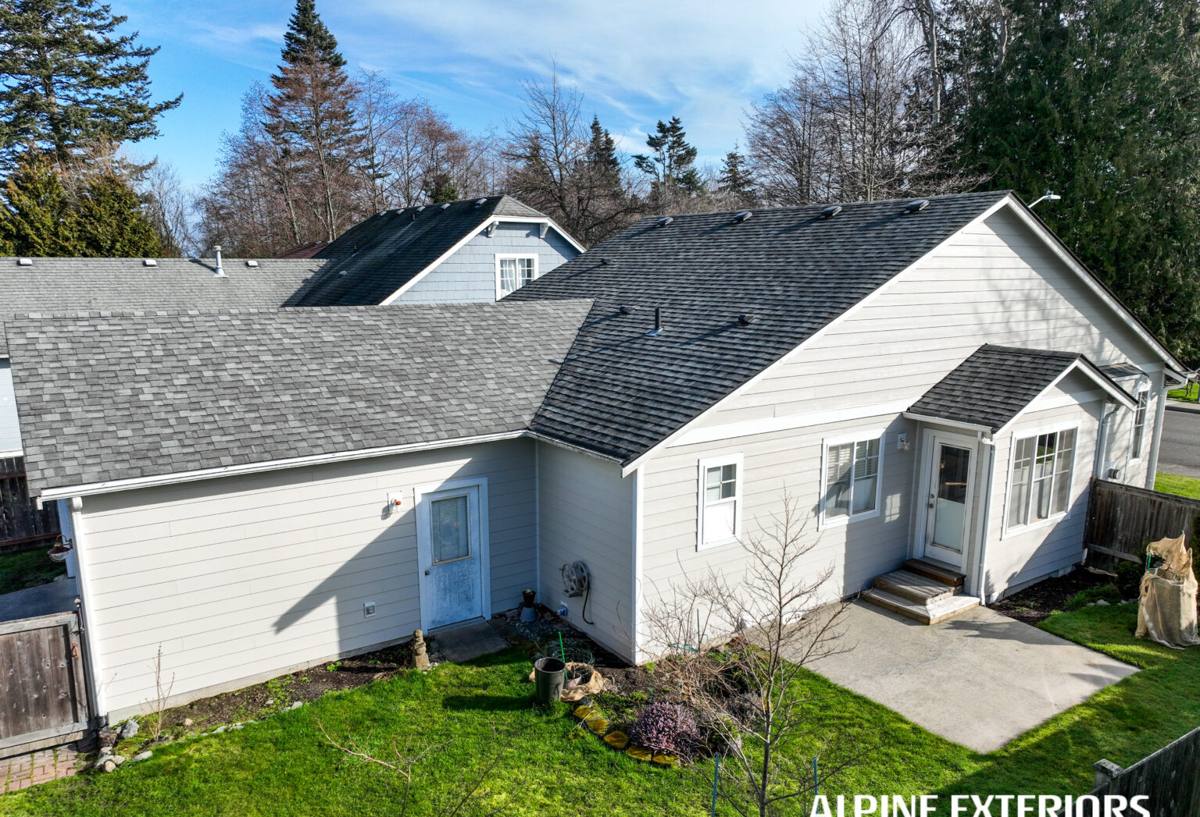
We work on homes throughout St. Petersburg, and Shore Acres is one of the areas where we see the clearest evidence of what happens when an exterior isn't built for its actual environment. Cracked and peeling paint, swollen trim, corroded fasteners, and siding that's delaminating or crumbling at the bottom edge are common sights on older homes here — not because the homeowners neglected their house, but because the materials weren't engineered for a coastal Florida climate.
What Salt Air and Humidity Actually Do to a House
Salt air is corrosive and hygroscopic — it pulls moisture out of the atmosphere and holds it against exterior surfaces longer than dry inland air would. On a home near the bay, that means:
- Metal fasteners, flashing, and hardware corrode faster unless they're rated for coastal exposure
- Wood-based siding products absorb moisture, swell, and become a food source for rot and mold
- Paint films break down sooner, especially on south- and west-facing walls that also take the heaviest UV load
- Caulk and sealant joints dry out and crack faster, opening small gaps that let water behind the siding
The combination of salt, moisture, and UV is why some siding materials that perform fine in a drier climate struggle in a place like Shore Acres. It's also why we're selective about what we'll put our name behind.
Wind: Designing the Exterior for the Storms That Actually Hit Here
Pinellas County sits in a wind-borne debris region, and St. Petersburg homes need to be able to take a direct hit from tropical-storm or hurricane-force wind without the exterior envelope failing. Wind damage to siding usually isn't just cosmetic — once wind gets under a panel or lifts a section of trim, wind-driven rain follows right behind it, and that's when you start seeing water intrusion into sheathing and framing.
A properly installed siding system resists wind in a few specific ways: correct fastener type, spacing, and penetration depth; proper overlap and joint treatment; and starter strips and trim details that don't leave an edge for wind to grab. This is installation-dependent, not just product-dependent — the same siding material installed to spec versus installed quickly can perform very differently in a 90 mph gust.
Wind-Driven Rain and Water Management
Wind-driven rain doesn't just fall — it gets pushed sideways and upward into laps, seams, and penetrations that a vertical rain never reaches. Behind every siding job we do, there's a water-resistive barrier and flashing detail designed to manage that water and get it back out, not just a siding panel counted on to block it entirely. That layered approach matters more in a bayside neighborhood than almost anywhere else in the county.
Why We Install Only James Hardie Fiber Cement Siding
We don't install vinyl siding, LP SmartSide, Cemplank, Allura, or primed wood species like spruce or cedar. That's a deliberate standard, not a limitation of what we're capable of installing — we've simply seen how each of those products performs over a full Florida life cycle, and we don't think they hold up well enough in a coastal wind and humidity environment to stand behind with a straight face.
Vinyl siding is affordable and low-maintenance in mild climates, but it softens and can distort in intense heat, and it's rated for a specific wind speed threshold that can be exceeded in a strong tropical system. Engineered wood products like LP SmartSide use a treated wood-strand core that performs well when installation and maintenance are perfect, but any breach in the coating — a nail pop, a cut edge left unsealed, prolonged moisture contact — gives the wood fiber a path to swell and deteriorate. Other fiber cement brands compete more directly with what we install, but we've standardized on James Hardie specifically for its factory-baked ColorPlus finish, its HZ5 product engineering for high-humidity zones, and the depth of its installed track record in Florida.
James Hardie fiber cement is non-combustible, doesn't absorb moisture the way wood-based products do, and is engineered specifically for climates like ours — the HZ5 line is formulated for regions with sustained humidity and larger temperature swings. It carries a strong transferable limited warranty when installed by a certified crew, and the factory finish means the color coat isn't something applied on-site that can fail at a seam or a cut edge.
What Correct Hardie Installation Involves
Fiber cement performs to its rated standard only when it's installed to the manufacturer's specification — proper clearance from grade and roof lines, correct fastener pattern, factory-primed and painted cut edges, and flashing at every penetration and transition. We install to that standard on every job, which is also why we won't rush a bid or skip a step to shave a day off a schedule.
The Full Exterior Envelope: Roofing, Windows, and Decks
Siding is only one piece of what protects a home from the coastal Pinellas County climate. We also handle roofing, windows, and decking, because these systems interact — a roof leak can show up as water damage at a siding seam, and a poorly flashed window can undermine even a perfectly installed wall of Hardie board.
| System | Main Coastal Stressor | What We Focus On |
|---|---|---|
| Siding | Salt air, UV, wind-driven rain | James Hardie fiber cement, correct flashing and fastening |
| Roofing | Wind uplift, UV degradation | Wind-rated materials, proper underlayment and flashing |
| Windows | Wind-borne debris, water intrusion | Impact-rated glazing, correct flashing integration with siding |
| Decks | Humidity, sun exposure, ground moisture | Materials and fasteners rated for continuous outdoor exposure |
When we're on a Shore Acres property for a siding job, we're looking at the whole exterior envelope, not just the walls. A homeowner is usually better served by fixing a flashing issue at the roofline while the siding is open than by patching the siding and leaving the water source untouched.
What a Local Crew Means for a Neighborhood Like This
Shore Acres homes aren't identical to homes in Clearwater or Sarasota, and they're not identical to homes a few miles inland in St. Petersburg either. A crew that works this specific area regularly understands the wind exposure of a bayside lot, recognizes early signs of salt and moisture damage, and knows which details — flashing at grade, fastener spacing, edge sealing — matter most for a house that sits close to open water. That local familiarity shows up in the small decisions made on-site, not just in the bid.
It also means faster response when something needs a second look after a storm, and a crew that's answerable to the same community it works in.
Signs Your Siding Needs Attention
Homeowners in Shore Acres often notice these signs before they call us, without necessarily knowing what caused them:
- Paint that's peeling, bubbling, or chalking faster than it should
- Soft or spongy spots near the bottom of siding panels or trim
- Visible gaps, warping, or buckling in panel seams
- Rust streaks running down from fasteners or trim
- A musty smell along an exterior wall inside the house
- Siding that flexes or feels loose when pressed
Any of these is worth a look before it turns into a larger repair. Moisture problems behind siding tend to get more expensive the longer they sit.
What Drives the Cost of a Siding Project Here
Every home and every project is different, but a few factors consistently move the price on a Shore Acres siding job:
| Factor | Why It Matters |
|---|---|
| Existing siding condition | Rot or water damage behind old siding may require sheathing repair before new siding goes on |
| Home size and complexity | More corners, gables, and trim detail mean more labor and material |
| Siding profile and color | Wider reveals, shake-style panels, and custom ColorPlus colors vary in material cost |
| Access and site conditions | Canal-front and tight-lot properties can affect staging and equipment access |
| Scope beyond siding | Bundling trim, soffit, fascia, or roofing work into one project affects total cost and timeline |
We provide a written estimate that breaks down scope and materials clearly, so there's no guessing about what's included.
Our Process for a Shore Acres Siding Project
- On-site inspection of existing siding, trim, and any visible water damage
- Discussion of James Hardie product line, profile, and color options suited to the home
- Written estimate with clear scope, materials, and timeline
- Removal of old siding and inspection of sheathing for hidden damage
- Repair of any compromised sheathing or framing before new siding goes on
- Installation of water-resistive barrier, flashing, and James Hardie siding to manufacturer spec
- Final walkthrough and warranty documentation
We don't skip the sheathing inspection step, even when it adds a day to the schedule. Covering damaged wood with new siding just hides a problem that will resurface later, often at a higher cost.
If you're noticing wear on your home's siding, trim, or roofline in Shore Acres or anywhere else in St. Petersburg, we're happy to take a look and walk you through what we're seeing. Reach out for a free, no-pressure estimate using the form below.