 St. Petersburg Siding
 Windows Take a Beating in Pinellas Point
Pinellas Point sits on the water in south St. Petersburg, and that waterfront exposure shapes what a window has to survive. Homes here deal with direct salt spray, wind-driven rain that gets pushed sideways during summer storms, and sun exposure that runs nearly year-round. That combination is harder on windows than most homeowners realize until they're replacing frames that have swelled, seals that have failed, or hardware that's corroded from the inside out.
A window that would be perfectly fine in an inland neighborhood can start failing early in a bayside location. Salt air accelerates corrosion on aluminum hardware and fasteners. UV breaks down vinyl and rubber seals faster than the manufacturer's rated lifespan assumes. And wind-driven rain finds any gap in flashing or caulking that wasn't done right the first time. None of this means Pinellas Point homes need exotic solutions — it means the installation has to be done correctly, with materials suited to a coastal environment, every single time.
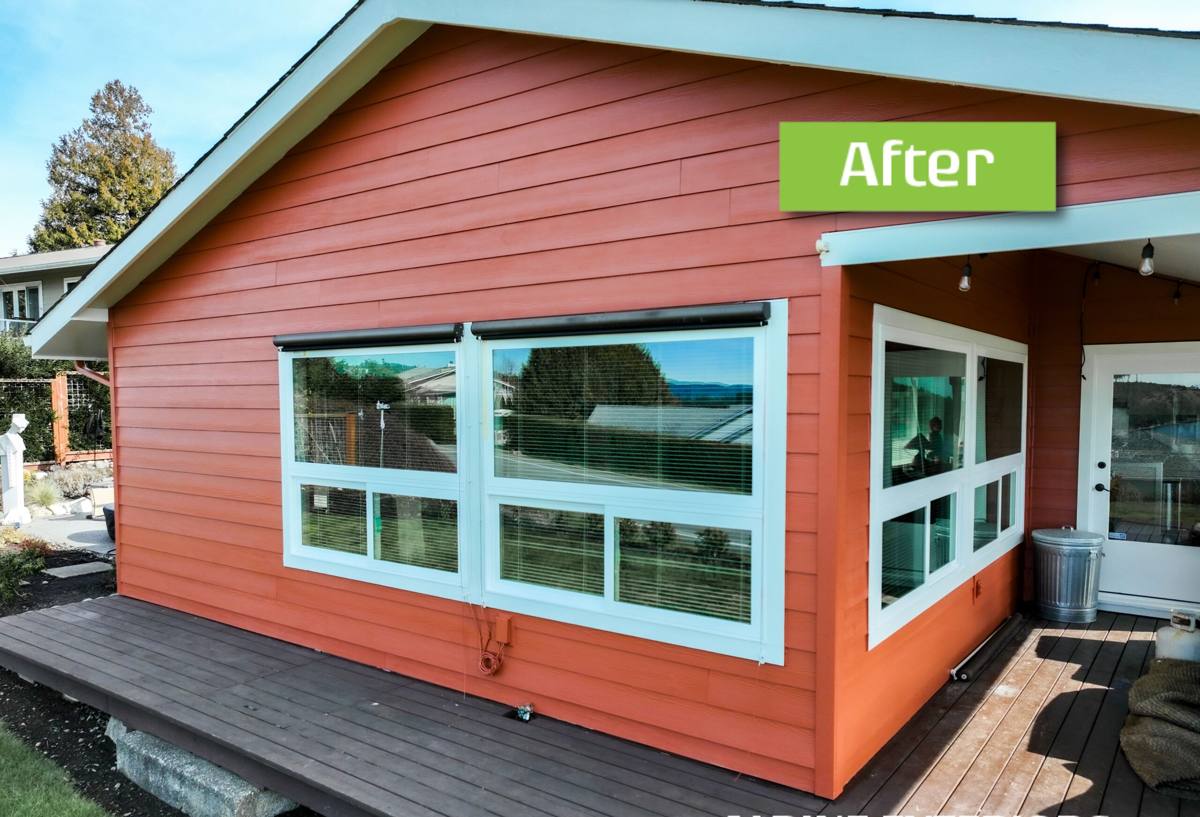
What "Correct" Window Installation Actually Means
Most window problems homeowners deal with aren't caused by a bad window — they're caused by a window that was installed poorly. The unit itself might be a good product, but if the flashing, sealing, and fastening weren't done to spec, water and air will find their way in regardless of how good the glass and frame are. This matters more on the coast, where wind pressure differentials during storms actively try to push water past any weak point in the installation.
The Installation Details That Actually Matter
- Proper flashing integration with the existing wall assembly, not just caulk over the gap
- Correct fastening pattern and spacing per the window's product approval, not "close enough"
- Sealant compatible with the substrate (stucco, block, wood) and rated for exterior UV exposure
- Shimming that keeps the frame square and supports it evenly, so the window doesn't rack over time
- Interior and exterior sealing done as separate steps, not treated as one and the same
Skip any one of these and you can end up with a window that looks fine for a year or two, then starts leaking, sticking, or letting in drafts. This is the part of the job that doesn't show up in a product brochure, and it's where most of the difference between a good installation and a problem installation actually happens.
Florida Code Requirements for Coastal Pinellas County
St. Petersburg sits within Florida's wind-borne debris region, which means Pinellas County's building code requires new and replacement windows to either meet impact-resistant standards or be paired with code-approved shutters or panels. For most homeowners doing a full window replacement, installing impact-rated glass from the start is simpler than maintaining a separate shutter system for every opening, and it removes the scramble to put up protection every time a storm is approaching.
Replacement windows also have to carry the correct product approval (Florida Product Approval or Miami-Dade NOA where applicable) for the design pressure your specific home and elevation require. That number isn't the same for every house — it depends on the structure's height, its distance from the water, and its location relative to the coastline. A licensed installer pulls the permit and verifies the product approval matches your home's requirements before anything gets ordered, not after.
What a Permit-Backed Job Includes
- A permit filed with the City of St. Petersburg or Pinellas County, as applicable
- Product approval documentation matching the design pressure for your home's location
- A final inspection confirming the installation meets code
- Paperwork you can hand to your insurance carrier for wind-mitigation credit consideration
Our Window Installation Process
The process is the same whether we're replacing a single window or doing a whole house, because skipping steps is exactly what causes problems later.
1. On-Site Assessment
We look at each opening individually — not every window on a house needs the same thing. We check the existing framing for rot or moisture damage, measure for accurate sizing, and note anything unusual about the wall assembly (block, wood frame, stucco over block) that affects how the new window ties in.
2. Product Selection
We walk through frame material, glass package, and design pressure rating based on what your home actually needs, not a one-size-fits-all recommendation. This is also when we go over the honest cost trade-offs between options so there aren't surprises later.
3. Permitting
We pull the permit before work starts. This protects you — an unpermitted window replacement can become a problem when you sell the house or file an insurance claim.
4. Removal and Prep
Old windows come out carefully, and we inspect the opening for hidden water damage or rot before anything new goes in. If we find deteriorated framing, we address it before installing the new window — sealing a good window into a bad opening just delays the same problem.
5. Installation
The window is set, shimmed level and square, fastened per the product's approved pattern, and flashed and sealed in the sequence that keeps water out. This is the step where experience with coastal installs actually shows.
6. Final Inspection and Cleanup
We check operation, seal integrity, and finish work, then schedule the permit inspection. You're left with a clean job site and paperwork you can keep for your records.
Frame and Glass Options: An Honest Comparison
There's no single "best" window for every home — the right choice depends on your budget, how exposed the house is to salt air and direct sun, and how much upkeep you want to deal with down the road.
| Frame Material | Coastal Durability | Maintenance | Typical Cost Tier |
|---|---|---|---|
| Vinyl | Good — won't corrode, can discolor over many years of UV exposure | Low | Lower to mid |
| Aluminum | Fair — strong but hardware and fasteners need corrosion-resistant coatings near the water | Moderate | Mid |
| Fiberglass | Very good — stable in heat and humidity, resists warping | Low | Higher |
| Wood / wood-clad | Poor without diligent upkeep — humidity and salt air are hard on exposed wood | High | Higher |
For a bayside neighborhood like Pinellas Point, we most often steer homeowners toward vinyl or fiberglass frames paired with laminated impact glass. We're generally cautious about recommending exposed wood frames on waterfront exposures — not because wood is a bad material, but because the maintenance schedule required to keep it performing near salt air is more than most homeowners want to sign up for. That's a maintenance and moisture-behavior trade-off, not a knock on wood as a product.
What Drives the Cost of a Window Job
We won't quote a number without seeing the openings, but here's what actually moves the price up or down.
| Cost Factor | Impact | Why |
|---|---|---|
| Impact-rated glass vs. standard + shutters | Medium-High | Laminated impact glass costs more per unit but removes the ongoing cost and hassle of shutter systems |
| Frame material | Medium | Fiberglass and higher-end vinyl cost more than basic vinyl or aluminum |
| Window size and configuration | Medium | Larger openings, sliders, and picture windows cost more than standard single/double-hung units |
| Existing frame condition | Low-High | Rot or water damage found during removal adds repair work before the new window can go in |
| Number of openings | High | Per-unit pricing usually improves somewhat on whole-house jobs versus one-off replacements |
| Permitting and inspection | Low | A required cost on any legitimate job, but a small piece of the total |
Problems We Commonly Find in Older Pinellas Point Homes
When we remove old windows in this area, a few issues come up often enough to be worth mentioning honestly:
- Hidden framing rot around openings where old caulk failed years ago and moisture crept into the wall without any visible sign from inside
- Corroded fasteners and hardware on aluminum-framed windows original to the house, sometimes decades old
- Improper original flashing, common in homes built or renovated before current wind-borne debris code requirements existed
- Non-impact glass with no shutter system, leaving the home out of compliance with current code for storm protection
- Painted-shut or warped sashes from years of humidity exposure, especially on wood-frame windows
None of these are unusual for a coastal home of a certain age — they're just things we plan for rather than get surprised by mid-job.
Caring for New Windows in a Salt-Air Environment
A properly installed window still benefits from basic upkeep, especially this close to the bay:
- Rinse frames and glass periodically to remove salt residue, especially after wind events
- Inspect exterior caulking annually and re-seal any cracked or separated sections promptly
- Lubricate hardware and tracks per the manufacturer's guidance to keep operation smooth
- Check weep holes on the exterior sill periodically to make sure they're clear of debris, so water can drain as designed
- Avoid pressure-washing directly at seals and weep systems — it can force water where it isn't supposed to go
Why Hiring a Crew That Already Works in Pinellas Point Matters
A crew that regularly works this neighborhood already knows the wind exposure category for waterfront lots, understands what the City of St. Petersburg and Pinellas County permitting offices expect on submittals, and has already worked through the framing quirks common in homes of this area's age and construction. That translates into fewer surprises, fewer permit revisions, and a job that's sized correctly for your home's actual exposure the first time — not a generic inland spec applied to a waterfront property.
It also matters after the sale. Windows installed to code, with documentation, are an asset when you eventually sell the home or file an insurance claim after a storm. A crew with local experience gets that paperwork right from the start, instead of leaving you to sort it out later.
If you're weighing whether it's time to replace windows on a Pinellas Point home, we're glad to take a look and give you a straight answer — no pressure, no upsell. Fill out the form below for a free estimate.