 St. Petersburg Siding
 Why "Energy-Efficient" Means Something Different in Pinellas Point
Pinellas Point sits on a peninsula within a peninsula — bordered by water on multiple sides, exposed to Gulf humidity, and squarely inside Pinellas County's wind-borne debris region. A window that performs well in a mild inland climate can still fail here, not because the glass package is wrong, but because the whole climate load is different: constant UV, high humidity pressing against the glass and frame nearly year-round, wind-driven rain that finds every gap, and salt-laden air that accelerates corrosion on hardware and frames. An energy-efficient window in this neighborhood has to do two jobs at once — cut your cooling costs and survive the environment doing it.
The Combination Working Against Your Windows
Homes near the water deal with a specific mix of stress factors that inland Florida homes see less of. Salt air corrodes unprotected metal components — screws, balances, and weep systems — faster than fresh-air environments. Intense, near-daily UV breaks down vinyl, weatherstripping, and seals over time. Humidity swings drive condensation and wood rot around older wood-framed openings. And wind pressure, both from daily gusts and from tropical systems, tests every seal and fastener a window has. None of these problems show up the day of installation. They show up two, five, or ten years later as fogged glass, sticking sashes, water stains below the sill, or a spike in your cooling bill.
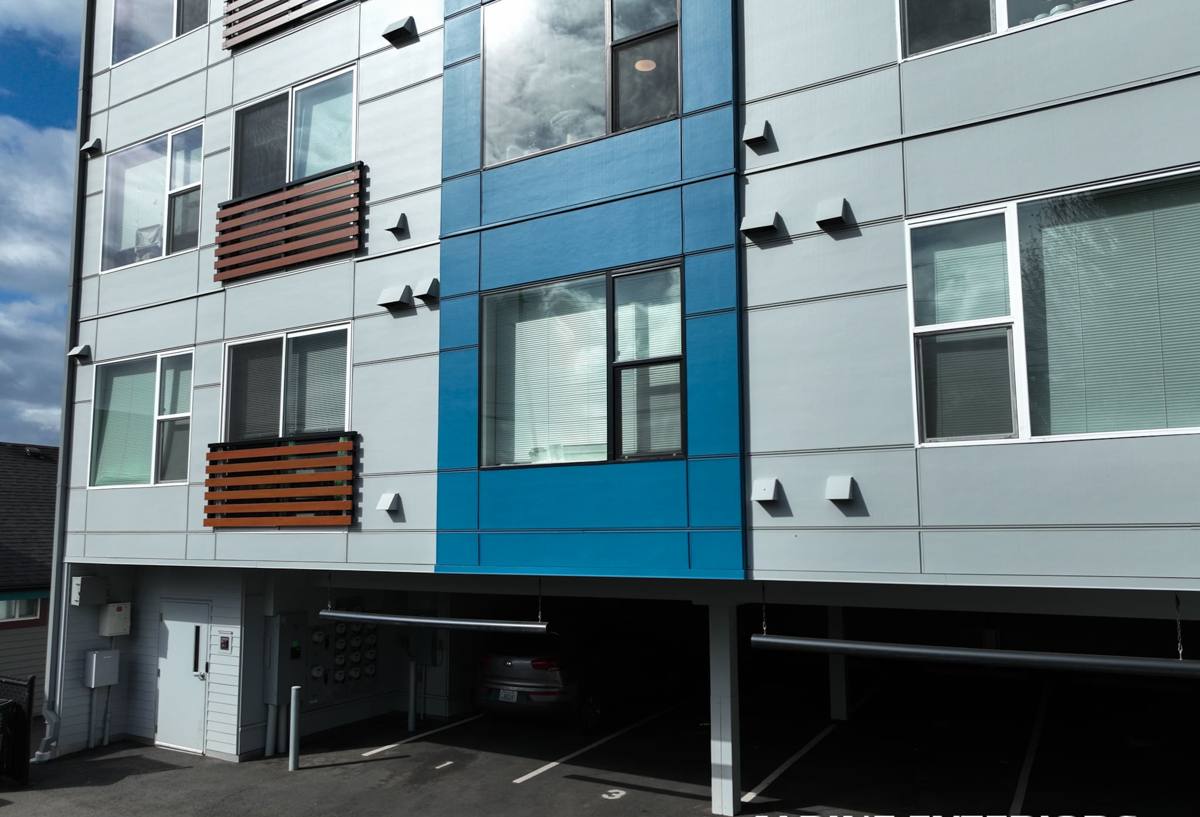
What "Energy-Efficient" Actually Means for a St. Petersburg Home
Efficiency isn't a marketing word — it's measured. Every legitimate replacement window carries an NFRC (National Fenestration Rating Council) label with two numbers that matter most in our climate:
U-Factor and SHGC: The Numbers That Matter Most Here
- U-Factor measures how much heat moves through the window. Lower is better — it tells you how well the window keeps outside heat from working its way in during a Florida summer.
- SHGC (Solar Heat Gain Coefficient) measures how much of the sun's heat energy passes through the glass. In a climate that runs a cooling load nine or ten months a year, a low SHGC is often more important here than it is in a heating-dominant climate up north.
Beyond the glass rating, the frame, the spacer between glass panes, and the quality of the seal all affect real-world performance. A window with excellent glass but a poor seal or a warping frame will still leak conditioned air — and in a wind event, a poor seal is exactly where water gets in.
Impact Resistance Isn't Optional Here
Pinellas County falls within Florida's wind-borne debris region, which means new window installations and most full replacements have to meet the Florida Building Code's wind pressure and impact requirements — either with impact-rated glass or an approved opening protection system paired with the window. This isn't a local upsell; it's code, and it exists because Pinellas Point's exposure to storm systems moving in off the Gulf is real.
Meeting Code Without Giving Up Efficiency
The good news is that impact-rated and energy-efficient are not competing goals. Impact glass is laminated — two panes bonded around an interlayer — which happens to also improve sound dampening and, combined with a Low-E coating and proper gas fill, delivers strong thermal performance too. Homeowners sometimes assume they have to choose between "storm-rated" and "efficient." In practice, a correctly specified impact window checks both boxes at once, and it removes the ongoing hassle of installing and storing shutters or panels before every storm watch.
Frame Material: What Holds Up Near the Water
The frame does as much work as the glass — it's what the glass, weatherstripping, and hardware all depend on staying stable, square, and sealed for the next 20+ years. Here's how the common options actually compare under Pinellas Point conditions:
| Frame Material | Salt Air / Humidity Behavior | Thermal Performance | Long-Term Maintenance |
|---|---|---|---|
| Vinyl (quality, multi-chambered) | Won't corrode or rust; UV-stable formulations resist yellowing and brittleness | Good insulator; performs well with proper reinforcement at large sizes | Low — no painting, no rust, occasional cleaning |
| Aluminum | Prone to pitting and corrosion in salt air unless marine-grade coated; conducts heat readily | Weaker without thermal breaks; can create condensation issues | Higher — coatings need monitoring, hardware corrosion is common near water |
| Fiberglass/composite | Excellent salt and UV resistance; very stable dimensionally | Strong insulator, holds up well at larger openings | Low, but higher upfront cost than vinyl |
| Wood (unclad) | Poor — humidity and salt air accelerate rot and swelling | Good when new, degrades as seals fail | High — regular refinishing, most exposure risk in this environment |
For most Pinellas Point homes, we steer customers toward quality vinyl or fiberglass/composite frames. We don't install unclad wood replacements in this environment — not because wood windows can't look good, but because the maintenance burden and rot risk in a high-humidity, salt-air coastal climate isn't something we're willing to hand a homeowner without a clear warning. That's a standard we hold to, not a knock on wood as a material in a different climate.
What a Correct Installation Actually Involves
The window unit itself is maybe half the job. The other half is how it's installed — and this is where most long-term failures actually start, regardless of how good the window was.
The Details That Matter Most Here
- Flashing and weatherproofing around the rough opening, sequenced correctly so water sheds outward, not into the wall cavity.
- Proper fastening schedule matched to the window's tested wind-load rating — not just "enough screws," but the specific pattern and anchor type the product was tested with.
- Sealant compatible with the frame material and Florida's UV/humidity exposure, applied at the right joints, not smeared over everything as a substitute for real flashing.
- Shimming and squaring so the window operates smoothly and the seals compress evenly for the life of the unit.
- Interior and exterior finish work that doesn't trap moisture against the frame or wall.
Mistakes We Watch For
The most common failures we see in older or poorly-installed windows in this area are missing or incorrect flashing, sealant used as the only water barrier, under-fastening at the corners, and gaps left in the weep system that let water in but never let it back out. Every one of these is invisible on installation day and becomes a real problem during the first serious wind-driven rain event.
Our Process for Pinellas Point Projects
We've worked enough homes in this part of St. Petersburg to know what the local permitting office expects and what the building envelope typically looks like on homes of this area's vintage.
- On-site assessment — we look at your current window condition, framing, orientation to sun and prevailing wind, and any signs of past water intrusion.
- Product selection — matched to your home's wind zone requirements, sun exposure, and budget, not a one-size push toward the most expensive option.
- Permitting — pulled correctly for impact-rated replacements under the applicable Florida Building Code requirements for this wind-borne debris region.
- Installation — following manufacturer specifications for flashing, fastening, and sealing, not shortcuts.
- Final inspection and walkthrough — confirming smooth operation, clean sight lines, and a sealed, weathertight opening before we call the job done.
What Drives the Cost
Every project is different, but the main cost drivers on an energy-efficient window job in this area are consistent. Rather than quote a number that doesn't apply to your home, here's what actually moves the price:
| Factor | Why It Matters |
|---|---|
| Impact rating vs. standard glass + shutters | Impact glass costs more per unit but removes the labor and hassle of separate storm protection |
| Frame material | Vinyl is typically the most budget-friendly; fiberglass/composite costs more upfront but lasts longer in this climate |
| Opening size and quantity | Larger openings and full-house replacements have different labor and structural considerations than single-window swaps |
| Existing condition of the rough opening | Rot, out-of-square framing, or old improper flashing adds repair work before the new window goes in |
| Glass package upgrades | Low-E coatings, gas fill, and tinting all affect the U-factor/SHGC numbers and the price |
Why It Matters That We Already Work in This Area
A crew that only occasionally works St. Petersburg has to relearn the local wind zone requirements, the permitting process, and the typical construction of homes in this part of Pinellas County every time. A crew that works Pinellas Point regularly already knows the code requirements for this zone, has relationships with the local permitting office, and has seen how homes here age under this specific combination of sun, salt, and storms. That familiarity shows up in fewer surprises during the project and a job that's built for what this particular stretch of coastline actually throws at a house.
What to Look For Before You Sign a Contract
- NFRC label with U-factor and SHGC numbers you can actually see and compare, not just a marketing brochure
- Written confirmation the product meets Florida Building Code wind-borne debris region requirements for your specific address
- Clear explanation of the frame material and why it's a fit for a coastal, high-UV environment
- A described installation process that includes flashing and fastening details, not just "we'll install your windows"
- A permit pulled in your name through the local building department, not skipped to save time
- A warranty that covers both the product and the labor, with the terms explained in plain language
If you're weighing options for a Pinellas Point home — whether it's a few windows or a full-house replacement — we're glad to take a look and give you a straightforward, no-pressure estimate based on what your home actually needs. Use the form below to get started.