 St. Petersburg Siding
 Windows Built for the Pinellas Point Waterfront
Pinellas Point sits on a peninsula, with water on three sides and nothing but a few miles of open air between most homes and the Gulf or Tampa Bay. That location is exactly why the neighborhood is desirable, and exactly why its windows fail faster than windows almost anywhere else in Pinellas County. Salt-laden air corrodes aluminum frames and hardware, constant UV breaks down vinyl and seals, and wind-driven rain during summer storms and hurricane season finds every gap a builder-grade window leaves behind. If you own an older home here — especially anything built before Florida's post-Andrew building code updates — there's a good chance your windows were never designed for what they're dealing with today.
We replace windows across St. Petersburg and Pinellas County, and Pinellas Point jobs have their own pattern: heavier corrosion on west- and south-facing elevations, more single-pane and early-generation double-pane units still in service, and a higher rate of hidden water intrusion around old aluminum frames that were never properly flashed. Replacing windows here isn't just a cosmetic upgrade — it's the difference between a house that sheds water and pressure correctly and one that slowly lets both in.
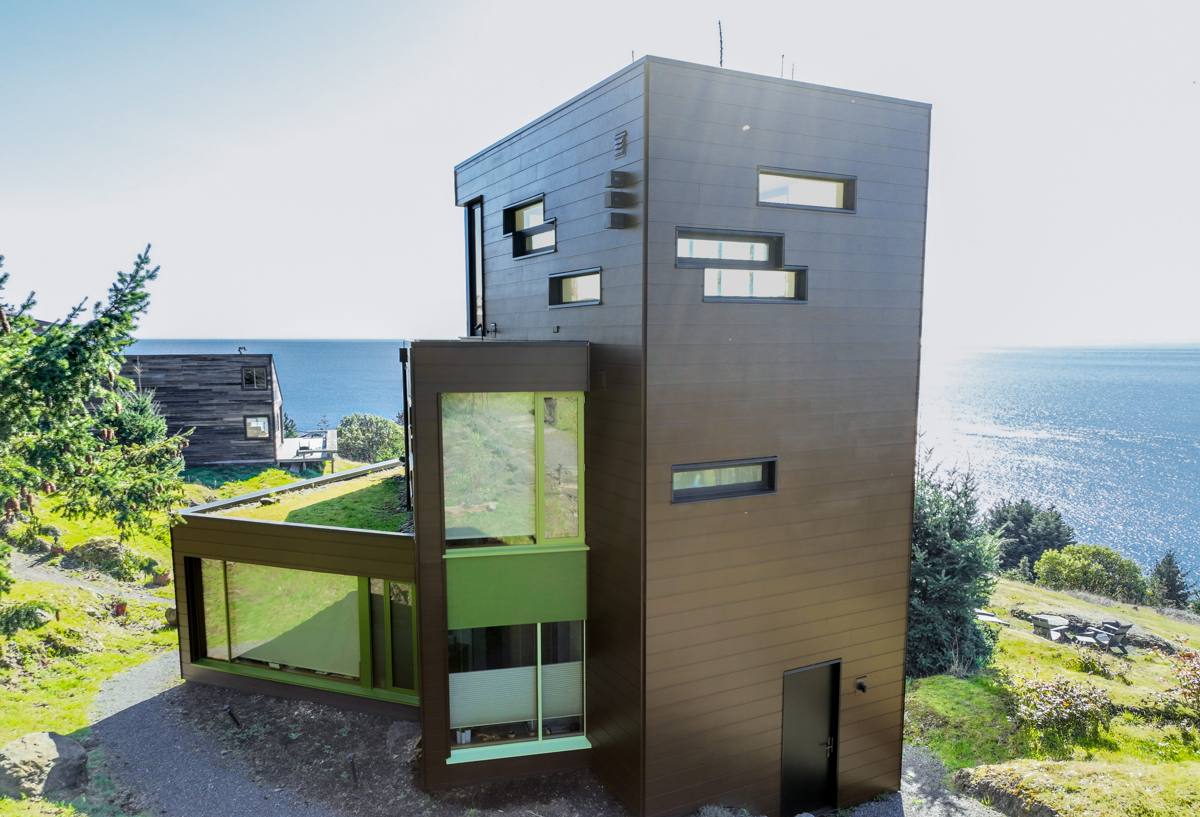
What Pinellas Point's Climate Actually Does to a Window
Salt Air and Corrosion
Aluminum window frames corrode from the inside out. Salt spray settles into the frame's weep holes and hardware channels, and over years it pits the metal, seizes locks and rollers, and eventually lets the frame itself develop small gaps at the corners. By the time you can see white corrosion powder (aluminum oxide) on the frame, the damage has usually been building for a while.
UV Exposure
St. Petersburg gets sun nearly year-round, and UV doesn't just fade interior fabrics through a window — it degrades the window itself. Vinyl frames can become brittle and discolored, rubber and foam seals harden and crack, and the low-E coatings on cheaper glass can break down faster than their rated lifespan.
Wind-Driven Rain and Pressure
A storm doesn't need to be a hurricane to push water through a weak window. Wind-driven rain gets forced sideways and upward under pressure, and if a window's seals, flashing, or frame fit aren't right, water tracks in around the perimeter — often showing up as staining or soft drywall well below or beside the window itself, not directly under it.
Storm and Wind Load
Pinellas County is in a high-velocity hurricane zone, which means replacement windows here have to meet specific wind load and impact requirements, not just look the part. A window that's correctly rated and correctly installed is a structural component of your home's storm defense, not just glass and trim.
Signs Your Pinellas Point Home Needs New Windows
- Frames feel gritty, chalky, or show white/gray corrosion buildup, especially on aluminum windows
- Windows are hard to open, close, or lock — swollen wood, seized aluminum tracks, or warped vinyl
- Visible fog or moisture between panes of double-pane glass (a failed seal)
- Drafts or a noticeable temperature difference near the window even when it's closed
- Rising cooling bills without any other explanation
- Water staining, bubbling paint, or soft spots on the wall or sill below a window
- Outside noise (traffic, storms) seems louder than it should be
- Single-pane glass anywhere in the home — a strong sign the windows predate current code and energy standards
What a Correct Window Replacement Involves
Swapping glass into an existing frame, or dropping a new window into an old opening without addressing what's around it, is how call-backs happen. A proper replacement in a coastal environment like Pinellas Point has several parts that all have to be right, not just the window itself.
Assessment and Measurement
We check the rough opening for square, look for existing water damage or rot in the surrounding structure, and confirm what wind load and impact rating the location actually requires under current Pinellas County code. This is also when we catch problems a homeowner wouldn't see — soft wood under a stucco reveal, corroded fasteners, or a sill pan that was never installed correctly the first time.
Removal Without Collateral Damage
Old frames, especially aluminum ones that have corroded into the surrounding stucco or wood buck, need to come out carefully. Rushing this step is one of the most common causes of cracked stucco or damaged framing on older Pinellas Point homes.
Flashing and Waterproofing
This is the step that gets skipped most often on lower-quality installs, and it's the one that matters most in a wind-driven-rain climate. Proper sill pan flashing, correctly lapped water-resistive barrier, and sealant rated for exterior exposure are what actually keep water out — the window itself is only half the system.
Setting, Shimming, and Fastening
The window has to be plumb, level, and square in the opening, shimmed correctly so it isn't relying on fasteners alone to hold its shape, and fastened according to the manufacturer's wind-load-rated installation instructions — not just "enough screws to hold it."
Sealing and Finish
Exterior sealant, interior finish work, and a final operational check (open, close, lock, drainage) close out the job. We also walk the homeowner through anything that needs periodic maintenance, like weep hole clearance.
Choosing the Right Window for This Location
| Factor | What Matters in Pinellas Point |
|---|---|
| Frame material | Vinyl and fiberglass resist salt corrosion far better than uncoated aluminum over the long term |
| Wind rating | Must meet Pinellas County's coastal wind load requirements for the specific elevation and exposure |
| Impact rating | Impact-rated glass can reduce or eliminate the need for separate shutters in a storm |
| Glass package | Low-E coatings and insulated glass cut UV damage to interiors and reduce cooling load |
| Hardware | Marine-grade or corrosion-resistant hardware lasts longer this close to the water |
| Frame color/finish | Darker exterior finishes absorb more heat and UV; factor that into long-term appearance and expansion |
We don't install every product on the market, and that's a deliberate professional call, not a brand preference. Some frame and glass combinations look fine on day one but are more sensitive to installation error, harder to service if a seal fails, or come with warranty structures that make coastal-climate claims difficult. We'd rather steer a homeowner toward a product with a track record of holding up to salt air and storm pressure than one that's cheaper up front but a headache in five years.
Energy and Comfort Benefits, Realistically
New windows will lower cooling bills and even out room temperatures, but be wary of anyone promising a specific percentage of savings — actual results depend on your home's insulation, duct system, orientation, and how many windows you're replacing at once. What we can say plainly: replacing failed seals, single-pane glass, or corroded frames removes a major source of heat gain and air leakage, and most homeowners notice the difference in comfort well before they see it reflected on a bill.
Our Process for Pinellas Point Homeowners
- Free on-site assessment — we look at every window being considered, not just the ones you're worried about
- Honest recommendation on which windows need replacement now versus which can wait
- Written estimate with product options and wind/impact ratings clearly explained
- Scheduling that accounts for weather — we don't open a window opening on a day rain is likely
- Installation with proper flashing and waterproofing at every unit, not just the ones facing the street
- Final walkthrough and operational check before we consider the job done
Why Local Experience in Pinellas Point Matters
A crew that works this specific area regularly knows things a generalist doesn't: which older subdivisions still have original aluminum single-pane windows, how the peninsula's exposure to open water changes wind load calculations block by block, and what Pinellas County's permitting and inspection process actually requires for a compliant install. That local pattern recognition shows up in faster, more accurate estimates and fewer surprises once a wall is opened up.
It also matters for accountability. A contractor based in and working around St. Petersburg is going to be around next year if a warranty issue comes up — not a crew that passed through the county once on a storm-chasing run.
Questions to Ask Before You Hire
- Is the crew pulling the correct permits for Pinellas County, and are they licensed and insured in Florida?
- What wind load and impact rating are they quoting for your specific home and elevation?
- Does the estimate spell out flashing and waterproofing details, or just "install window"?
- What's the warranty structure — on the product, and separately on the labor?
- Can they explain, in plain terms, why they recommend one frame material or glass package over another for your home?
If your windows are showing their age — corroded frames, foggy glass, drafts, or water stains that never quite go away — it's worth getting a real look at what's going on before another storm season tests them. We offer free, no-pressure estimates for Pinellas Point homeowners; use the form below to get one scheduled.