 St. Petersburg Siding
 Siding That Actually Holds Up in Gulfport
Gulfport sits on a peninsula between Boca Ciega Bay and the open water beyond, tucked into Pinellas County just south of downtown St. Petersburg. It's one of the more distinct pockets of the Tampa Bay area — older bungalows, mid-century block homes, and a walkable waterfront core, much of it within a mile or two of saltwater. That location is part of what makes Gulfport a great place to live. It's also exactly why exterior materials fail faster here than they do twenty miles inland.
We're a St. Petersburg-based siding, roofing, window, and deck contractor, and Gulfport is inside our regular service area. This page covers what we actually see on homes in that neighborhood, how the climate factors into material choice, and why our siding crews install James Hardie fiber cement exclusively — nothing else leaves our trucks.
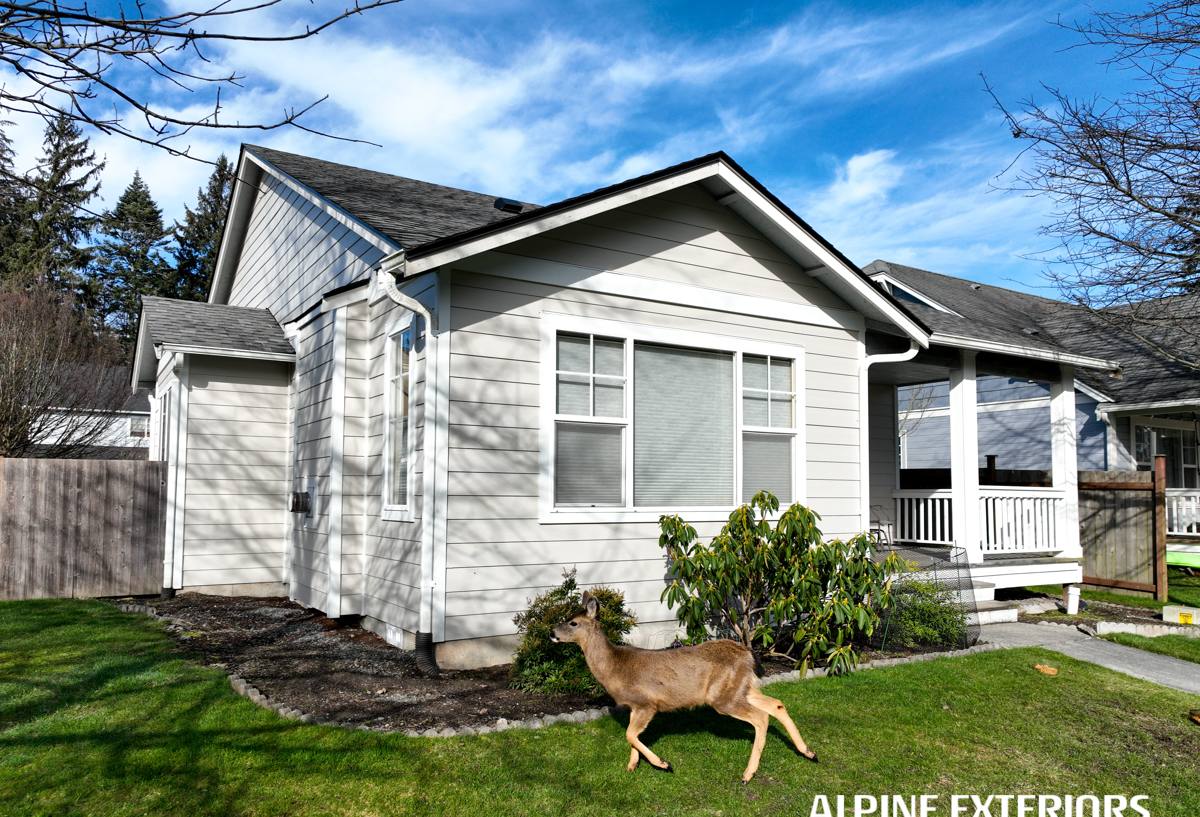
What Coastal Exposure Does to a House
Homes near Boca Ciega Bay deal with a combination of stressors that inland Florida homes see in a milder form:
- Salt air corrosion — airborne salt settles on siding, trim, and fasteners year-round, not just after a storm. Over time it accelerates the breakdown of materials and hardware that aren't rated for coastal exposure.
- Wind-driven rain — Gulfport's proximity to open water means storms push rain sideways into wall assemblies, not just straight down onto roofs. Siding and the water-resistive barrier behind it are doing real work during these events.
- Intense, near-constant UV — Florida sun is hard on paint and plastic-based products even away from the coast. Combined with salt air, it accelerates fading, chalking, and surface breakdown on lower-grade materials.
- Hurricane-force wind loads — Pinellas County sits in a high-velocity hurricane zone, and Gulfport's exposure to open water means wind and pressure loads are a real design factor, not a theoretical one.
- Humidity and moisture cycling — near-constant humidity means anything that traps water behind it — rather than shedding it or tolerating it — stays wet longer and degrades faster.
None of this is unique to Gulfport. But the combination — heavy coastal exposure plus older housing stock plus a lot of homes built before modern wind codes — is why material choice matters more here than in a lot of the country.
Why This Pushes Us Toward Fiber Cement
Every siding material handles that combination differently. Vinyl softens, warps, or cracks under sustained heat and impact, and it's a petroleum-based product that doesn't hold color indefinitely under intense UV. Wood-based composite siding depends entirely on an intact factory coating and perfect field sealing to keep moisture out — a single missed cut edge or nail penetration near the coast can start a problem that isn't visible until it's advanced. We cover the specific trade-offs of those products on other pages; the short version is that we stopped installing them because we didn't want to keep coming back to explain premature failures on homes exposed to conditions like Gulfport's.
Why We Install Only James Hardie
James Hardie fiber cement is cement, sand, and cellulose fiber — not vinyl, not wood, not a wood-derivative. That composition is the whole reason it behaves differently in this climate:
| Concern | How Fiber Cement Responds |
|---|---|
| Salt air / humidity | Non-organic composition doesn't rot, and it isn't a food source for pests or mold |
| UV exposure | ColorPlus factory-baked finish is engineered to resist fading longer than field-applied paint |
| Wind-driven rain | Correctly flashed and installed, it manages bulk water at the surface rather than depending on a thin coating to stay perfectly intact |
| High heat | Doesn't soften, warp, or distort like vinyl can in direct, sustained sun |
| Fire exposure | Non-combustible material, which matters for insurance underwriting in some cases |
Hardie backs its siding with a strong, transferable limited warranty, and the ColorPlus finish carries its own separate finish warranty — which matters in a market like Gulfport, where a fair number of homes change hands over the years. A warranty that's a hassle to transfer is a warranty that's worth less to the next owner.
Building for This Specific Climate: HZ5
James Hardie doesn't sell one product nationwide and call it done. The company engineers its lap siding, panels, and trim in different formulations for different climate zones, and Gulfport falls in the zone that calls for the HZ5 product — Hardie's version built for higher humidity, more direct moisture exposure, and hotter, harsher sun. It's the same reasoning behind hurricane-rated windows in this part of Florida: the product should match the actual conditions it's going to sit in for the next several decades, not a generic national spec.
Product Lines We Work With
- HardiePlank lap siding — the most common choice, available in several textures including smooth and cedarmill, and in a range of ColorPlus factory finishes
- HardiePanel vertical siding — often used for accent walls, gables, or a more modern look on porches and additions
- HardieTrim — matching trim boards for corners, window and door surrounds, and fascia, so the whole exterior envelope is fiber cement, not a mix of materials aging at different rates
- HardieSoffit — pre-vented or non-vented panels for eaves, which matters for attic ventilation on older homes with limited airflow
What Correct Installation Actually Involves
Fiber cement performs the way it's supposed to only when it's installed to Hardie's published specifications — and this is where a lot of the real-world problems with any siding product actually originate, not in the material itself.
- Proper water-resistive barrier and flashing details behind the siding, not just around it
- Correct fastener type, spacing, and penetration depth — under- or over-driven nails are a common source of long-term problems
- Manufacturer-specified clearances at grade, roof lines, and other transitions so water has somewhere to go
- Factory-primed cut edges sealed in the field, since exposed cut edges are the most vulnerable point on any fiber cement installation
- Correct joint treatment and caulking at butt joints and penetrations
Skipping any one of these doesn't usually cause an immediate, visible problem. It shows up two, five, or ten years later — which is exactly why installer competence matters as much as the material choice itself.
Siding Replacement Cost Factors in Gulfport
We don't publish blanket pricing because every home is different, but the variables that actually move the number are consistent:
| Factor | Why It Matters |
|---|---|
| Home size and wall complexity | More corners, gables, and dormers mean more cutting, trim, and labor time |
| Current siding removal | Tear-off of old wood, vinyl, or damaged material adds time and disposal cost |
| Substrate condition | Rotten sheathing or framing found once old siding comes off needs repair before new siding goes on |
| Product line and profile | Lap width, texture, and vertical vs. horizontal panel all price differently |
| Trim and accessory scope | Full trim replacement costs more than reusing sound existing trim where appropriate |
| Access and site conditions | Tight lots, mature landscaping, or multi-story sections affect labor time |
The only way to get a real number is a site visit — which is what our estimate is for.
The Full Exterior Envelope
Siding rarely fails in isolation. On a lot of the Gulfport homes we look at, siding condition, roof age, window seals, and deck or porch structures are all telling a piece of the same story about how the exterior has held up against the coastal climate. Because we handle siding, roofing, windows, and decks, we can look at a home as one system instead of quoting a siding job while ignoring a roof that's shedding granules onto it, or windows that are letting wind-driven rain into the wall cavity behind brand-new siding. That matters more here than in a lot of markets, given how much interaction there is between wind, rain, and salt exposure on every part of the exterior at once.
Why a Local Crew Matters
Pinellas County has its own permitting process, its own wind-load and flood-zone considerations, and inspectors who know what correct fiber cement installation looks like. A crew that works this area regularly already understands the local permitting steps, knows how Gulfport's older housing stock is typically framed, and isn't learning the region's climate demands on your project. That local familiarity shows up in fewer surprises during the job and fewer callbacks after it.
What to Look for in Any Siding Contractor
- Proper licensing and insurance for exterior contracting work in Florida
- A written scope that specifies the exact Hardie product line, profile, and finish — not just "fiber cement"
- A clear plan for flashing, water-resistive barrier, and trim details, not just "we'll match what's there"
- Manufacturer training or certification on the product being installed
- A straightforward answer about warranty coverage and what voids it
- Willingness to walk the property and explain findings before quoting, rather than pricing from a photo or phone call alone
Signs Your Current Siding Is Losing the Fight
Homeowners in Gulfport reaching out to us are usually noticing one or more of these:
- Visible warping, buckling, or gaps between siding panels
- Soft spots or noticeable give when pressed near the base of walls
- Persistent staining or streaking that pressure washing doesn't resolve
- Paint or finish that's chalked, faded, or peeling well ahead of expected lifespan
- Visible daylight or moisture intrusion at trim, corners, or window surrounds
Any one of these is worth a look before it turns into a repair to sheathing or framing underneath.
Get a Straightforward Estimate
If you're weighing a siding replacement on a Gulfport home — whether it's storm damage, age, or just wanting something that will actually hold up to the salt air and sun — we're happy to come take a look. The estimate is free, there's no pressure, and we'll tell you honestly what we see, including if fiber cement isn't the most urgent priority on your home right now. Use the form below to get started.