 St. Petersburg Siding
 Siding in Crescent Lake: Built for the Neighborhood, Not Just the Job
Crescent Lake sits close enough to downtown St. Petersburg that you feel the character of the older city — mature oak canopies, a mix of early-to-mid-century homes, and a neighborhood that's clearly been cared for over the decades. That history is part of what makes the area appealing, but it also means a lot of the homes here are carrying siding, trim, and roofing that predates modern hurricane codes and modern exterior products. When we work in Crescent Lake, we're usually looking at exteriors that have been patched, repainted, and repaired multiple times rather than replaced — which is a different starting point than a newer subdivision on the edge of Pinellas County.
Our approach here is the same one we bring to every St. Petersburg neighborhood: figure out what the specific home is dealing with, then install a siding system engineered for this climate rather than whatever's cheapest to move. In Pinellas County, that almost always means James Hardie fiber cement — and we'll explain why below.
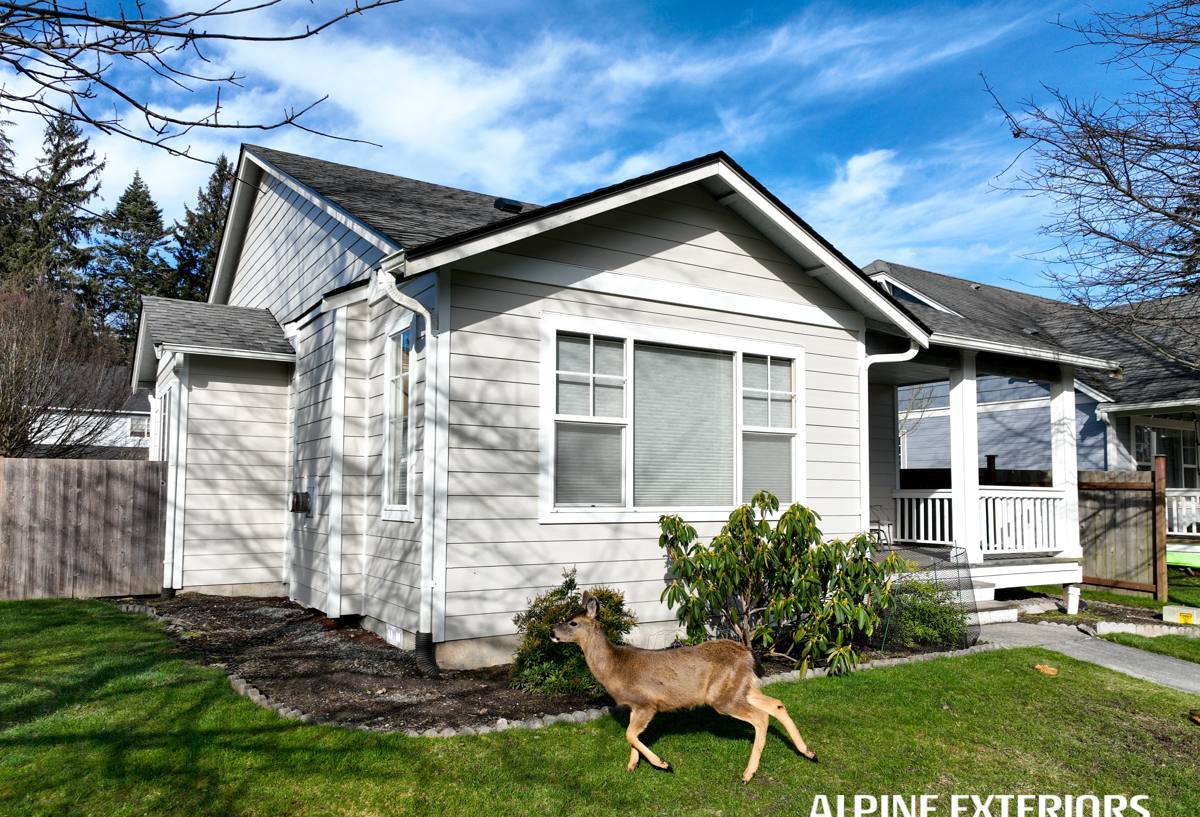
What Crescent Lake Homes Are Actually Up Against
St. Petersburg's climate doesn't take a season off, and Crescent Lake gets the full package:
- Intense, near year-round UV that breaks down paint films, fades color, and dries out organic siding materials faster than most homeowners expect.
- Wind-driven rain that doesn't just fall straight down — it gets pushed sideways into seams, corners, and unprotected trim, which is where most siding failures actually start.
- Hurricane-force wind events that test every fastener, joint, and panel edge on the house, not just once but repeatedly over a home's lifespan.
- Salt air carried in off Tampa Bay, which accelerates corrosion on fasteners and hardware and slowly attacks lower-grade finishes.
None of that is unique to Crescent Lake — it's the reality for the whole St. Petersburg and Pinellas County area. But in an established neighborhood with older housing stock, decades of that exposure have often already left their mark: soft spots at the bottom of walls, cracked or peeling paint, and trim that's been re-caulked more times than anyone can remember.
Older Siding Materials We Commonly See
In a neighborhood like this, we run into a wider mix of existing siding than in newer construction — old wood lap siding, various generations of vinyl, and in some cases engineered wood products installed during past renovations. Each of these has its own failure pattern in this climate: wood is prone to rot and insect damage once paint film fails, vinyl can warp or crack under UV and impact stress and simply doesn't hold up structurally in high wind, and engineered wood products are sensitive to moisture at cut edges and seams if they aren't maintained exactly as specified. We don't install any of these — not because they're worthless products everywhere, but because we've made a professional call that they're not the right long-term answer for Gulf Coast exposure.
Why We Install Only James Hardie Fiber Cement
We standardized on James Hardie siding for one straightforward reason: it's a fiber cement product engineered specifically for the demands a home like yours in Crescent Lake actually faces.
- Non-combustible — fiber cement doesn't feed a fire the way wood-based products can.
- Built for humidity and moisture cycling — Hardie's HZ5 product line is formulated for high-humidity, storm-prone climates like ours, resisting the swelling, cracking, and rot that plague organic siding materials.
- ColorPlus factory-applied finish — baked-on color that resists the fading and peeling that constant Florida UV causes on field-applied paint, and it's not something you're repainting every few years.
- Real wind and impact resistance — properly installed Hardie holds up to the wind loads and wind-driven debris that come with our storm season far better than vinyl or lightweight composites.
- A strong transferable warranty — meaningful if you ever sell the home, which matters in a desirable, established neighborhood where turnover happens.
We're not going to tell you every other product is garbage — plenty have their place. But when we're the ones standing behind the installation, we only put our name on a system we're confident will still be doing its job on your house fifteen and twenty years from now, in this exact climate.
What a Crescent Lake Siding Project Actually Looks Like
Assessment First
Because so many homes here have layered repairs, we start by actually opening things up where needed — checking sheathing, framing, and moisture conditions behind the existing siding rather than just estimating off a drive-by look. Older homes sometimes have hidden rot or past water intrusion that needs to be addressed before new siding goes on, and we'd rather find that during the estimate than after demo starts.
Detail Work Around Trim and Architecture
Homes in older St. Petersburg neighborhoods often have more architectural detail — window trim, porch elements, varied rooflines — than a typical newer build. That means more cutting, more flashing details, and more attention paid to how panels meet trim, corners, and openings. This is exactly where wind-driven rain finds its way in if it's rushed, so we don't rush it.
Color and Character
Hardie's ColorPlus palette and range of profiles (lap siding, shingle-style panels, trim boards) give us the flexibility to match or complement the character of an older home rather than making it look like a mismatched new box next to its neighbors.
Beyond Siding: The Rest of the Exterior
Siding doesn't work in isolation — it's one part of a home's exterior envelope, and in an older neighborhood like Crescent Lake, the roof, windows, and any decks or outdoor structures are usually dealing with the same age and exposure issues at the same time.
- Roofing — the first line of defense against wind and wind-driven rain, and its condition directly affects whether water ever reaches your siding and wall assembly at all.
- Windows — older single-pane or original windows are common in this neighborhood and are frequently a bigger source of air and water intrusion than the walls around them.
- Decks — exposed year-round to the same UV and humidity cycling, and often the most neglected part of a property until something fails.
Because we handle all four, we can look at a Crescent Lake home as one system instead of quoting siding in a vacuum while ignoring a roof that's about to compromise the work underneath it.
What Drives Cost on a Project Like This
| Factor | Why It Matters Here |
|---|---|
| Existing siding removal | Older homes often have multiple layers or hidden repairs, which affects tear-off time |
| Sheathing/framing condition | Hidden rot or past water damage found during demo needs repair before new siding installs |
| Home size and wall area | Straightforward square footage math, but older homes vary widely lot to lot |
| Architectural detail | Trim, porches, and varied rooflines take more labor than a plain rectangular wall |
| Hardie product line and profile | Lap siding, shingle-style, and trim boards carry different material costs |
| Color selection | Standard ColorPlus colors vs. premium or custom options |
We won't quote a number without seeing the house — anyone who does is guessing. But this is the honest list of what actually moves the price up or down.
Why a Local Crew Matters in a Neighborhood Like This
A crew that works across St. Petersburg and Pinellas County regularly knows what wind-driven rain and salt air actually do to a house here, because we see it on every job, not just in a training manual. We also know what our local permitting and wind-load requirements call for, and we're set up to actually be around for warranty service and follow-up — not a crew that did one job in the area and moved on. In an established, close-knit neighborhood like Crescent Lake, that kind of accountability tends to matter more, not less.
Signs It's Time to Look at Your Siding
- Paint that's peeling, chalking, or fading unevenly across a wall
- Soft or spongy spots when you press on siding near the ground or under windows
- Visible cracking, warping, or gaps at seams and corners
- Rising energy bills that could point to compromised wall insulation
- Water stains or discoloration on interior walls near exterior corners
- Siding that's original to a home older than 20-25 years and has never been replaced
If any of that sounds familiar, it's worth having someone take an honest look before the next storm season rather than after.
Let's Take a Look at Your Home
If you're in Crescent Lake or anywhere else in St. Petersburg and want a straight answer about what your siding, roof, windows, or deck actually need, we're happy to come take a look. There's no pressure and no obligation — just an honest assessment from a local crew that works in this climate every day. Use the form below to request your free estimate.