 St. Petersburg Siding
 Siding Installation Built for Gulfport's Coastal Conditions
Gulfport sits on a peninsula between Boca Ciega Bay and the open water beyond, which means homes here take a harder hit from the elements than siding installed a few miles inland. Salt-laden air moves through the neighborhood daily, afternoon storms roll off the Gulf with wind-driven rain, and the sun is overhead for most of the year at an intensity that breaks down lesser materials from the outside in. A siding installation done right in Gulfport isn't just about picking a good product — it's about installing that product in a way that accounts for wind uplift, moisture intrusion at every seam, and UV exposure that never really lets up.
This page is about one job: new siding installation on a Gulfport home. Not a repair, not a patch — a full install, done to a standard that holds up to what this specific stretch of Pinellas County throws at a house.
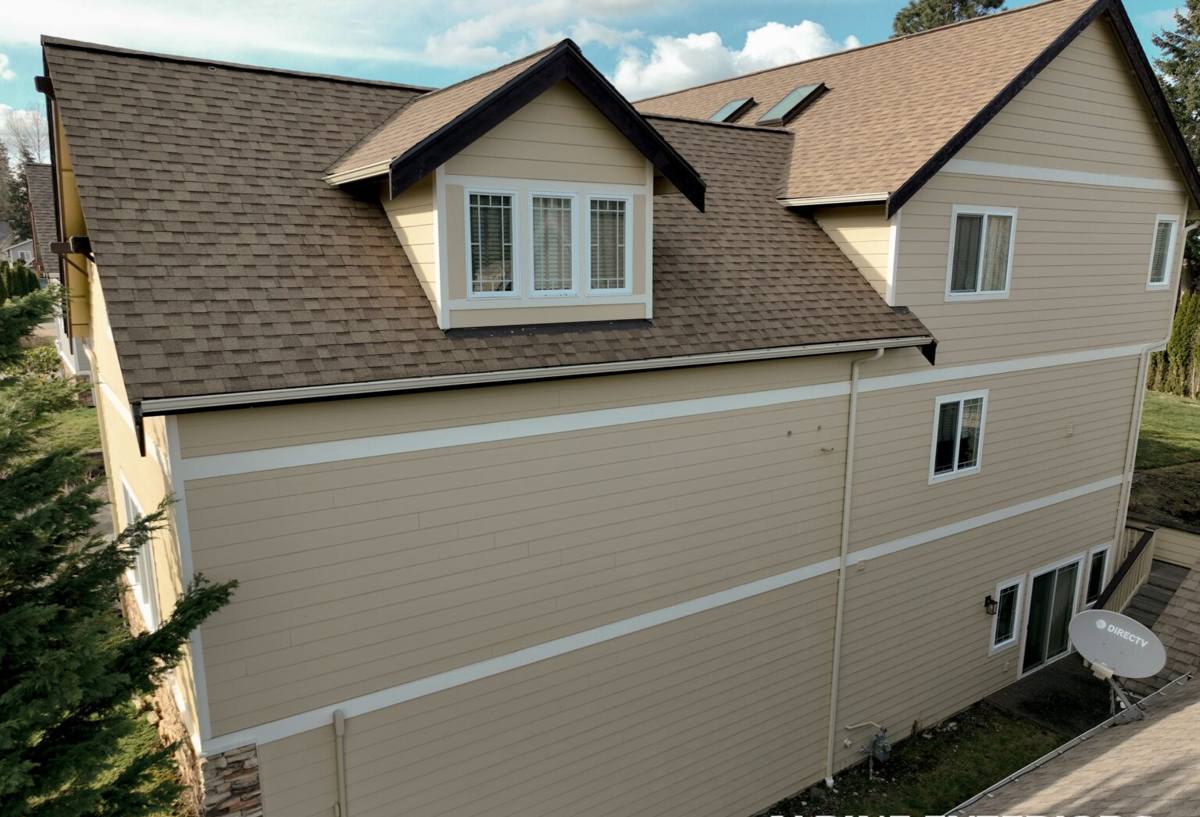
What Gulfport Homes Actually Need From Their Siding
Older homes in and around Gulfport were often built with wood lap siding or early-generation vinyl, neither of which was designed with today's storm frequency or salt exposure in mind. When we install new siding here, three things drive every decision we make:
Wind Resistance
St. Petersburg sits in a hurricane-prone coastal zone, and Gulfport's exposure to open water means wind loads on a home's exterior can be significant even in storms that don't make landfall directly on Pinellas County. Siding that isn't fastened correctly — wrong nail pattern, wrong fastener length, missed studs — can peel off in gusts well below hurricane strength. The material matters less here than the installation discipline behind it.
Moisture Management
Wind-driven rain doesn't fall straight down — it gets pushed sideways into every gap, seam, and penetration in a wall. A siding job that looks fine on day one can trap water behind it within a year if the water-resistive barrier, flashing, and joint treatment weren't done correctly. In a humid Gulf Coast climate, trapped moisture behind siding leads to rot, mold, and sheathing damage long before the siding itself shows a problem.
UV and Salt Durability
Gulfport gets sun nearly year-round, and that constant UV load fades paint, breaks down caulk, and dries out wood over time. Add salt air drifting in off the water and you get accelerated corrosion on fasteners and trim, plus a faster breakdown of any finish that wasn't engineered for a marine-adjacent climate. Siding installed here needs a factory finish that's built to hold color and integrity under that specific combination of sun and salt.
Why We Only Install James Hardie Fiber Cement
We install James Hardie fiber cement siding exclusively — we don't install vinyl, LP SmartSide, primed wood, or cedar. That's a deliberate standard, not a limitation. In a climate like Gulfport's, the material itself needs to be non-combustible, dimensionally stable in humidity swings, and resistant to pest and moisture damage in ways that wood-based and vinyl products structurally are not built to match.
For coastal and near-coastal installations, we typically recommend James Hardie's HZ10 product line, engineered specifically for high-humidity, storm-prone climates like Florida's Gulf Coast. It carries ColorPlus Technology, a factory-applied finish baked on rather than sprayed on site, which holds color and resists fading, chipping, and cracking far better than field-applied paint exposed to constant Florida sun. Fiber cement also doesn't provide a food source for pests, doesn't warp in humidity, and won't ignite the way wood siding can in a wildfire-adjacent event — a real, if less-discussed, benefit in a state where wind and lightning both drive fire risk.
How a Correct Installation Actually Works
The siding itself is only part of the system. What separates a siding job that lasts twenty-plus years from one that fails in five is almost entirely in the details most homeowners never see once the job is done.
1. Tear-Off and Substrate Inspection
We remove the existing siding down to the sheathing and inspect for hidden rot, moisture damage, or pest activity — problems that are common on older Gulfport homes where prior siding may have trapped moisture for years without anyone knowing. Any damaged sheathing gets replaced before anything new goes up. Installing new siding over compromised sheathing just hides a bigger problem.
2. Water-Resistive Barrier
A continuous, properly lapped weather barrier goes over the sheathing before any siding is hung. This is the layer that actually keeps wind-driven rain out of the wall assembly if water gets past the siding itself — and in a climate with regular sideways rain, it will get past the siding at some point. Seams are lapped shingle-style, top over bottom, and sealed at every penetration.
3. Flashing at Every Penetration
Windows, doors, vents, hose bibs, electrical penetrations — every single opening in the wall gets proper flashing integrated with the water barrier, not just caulked over. Caulk is a maintenance item that degrades under UV; flashing is a permanent water-diversion system. This is one of the most commonly skipped steps in lower-cost siding jobs, and it's the single biggest cause of hidden water damage behind siding in Florida homes.
4. Fastening to Manufacturer and Wind-Zone Spec
James Hardie publishes specific fastener types, spacing, and embedment requirements, and those requirements get more stringent in high-wind zones like coastal Pinellas County. We fasten to the wind-zone specification for the home's actual location, not a generic inland standard. This is what keeps siding on the wall in a storm.
5. Clearances and Drainage
Siding installed too close to grade, roofing, decks, or hardscape traps moisture and invites rot at the bottom edge — a common failure point we see on older homes near the water. We hold proper clearance at grade, roof lines, and any horizontal surface so water has somewhere to go.
6. Trim, Caulking, and Finish Details
Corners, trim boards, and joints are sealed with a high-quality, paintable sealant rated for exterior use, and any field-cut edges are sealed per manufacturer spec to prevent moisture wicking into the cut end of the board.
Common Failure Points We See on Gulfport Siding Jobs
When we're called to assess a previous siding installation in the Gulfport area, the same handful of issues show up repeatedly:
- Missing or improperly lapped flashing around windows and doors, leading to water intrusion that isn't visible until sheathing damage is advanced
- Fasteners driven with a nail gun set too hot, overdriving the fastener head and breaking the fiber cement's structural hold
- Siding installed too close to roof lines or grade, wicking moisture at the bottom edge
- Caulk used in place of flashing at penetrations — a shortcut that fails within a few years under Florida UV
- Mixed materials or mismatched fastener metals that corrode faster in salt air
- No local wind-zone adjustment, using standard fastening spacing on a home that needed tighter spacing for its actual coastal exposure
None of these are visible on install day. They surface a year or two later as bubbling paint, soft spots, or siding that's come loose in a storm — which is exactly why installation quality matters more than most homeowners realize when comparing quotes.
Cost Factors for Siding Installation in Gulfport
Every home is different, but the factors that move the price on a Gulfport siding installation are consistent. We provide a specific number after walking the property — the table below is meant to help you understand what drives that number, not to serve as a quote.
| Factor | Why It Affects Cost |
|---|---|
| Substrate condition | Rotted or damaged sheathing found during tear-off must be replaced before new siding goes on |
| Home size and wall complexity | More corners, dormers, and penetrations mean more flashing, trim, and labor hours |
| Product line and profile | HZ10 coastal-rated boards, plank width, and ColorPlus finish selection all affect material cost |
| Story height | Two-story and elevated homes require additional staging and safety setup |
| Existing siding removal | Tear-off and disposal of old wood or vinyl siding adds labor beyond a direct install |
| Trim and accent work | Custom trim, batten details, or accent bands add both material and installation time |
Why Hiring a Crew That Already Works in Gulfport Matters
A siding crew that regularly works Gulfport and the surrounding St. Petersburg area already understands the wind-zone requirements that apply to homes this close to the water, knows what substrate condition to expect on homes of different ages and construction types in Pinellas County, and isn't guessing at flashing details for the first time on your roofline. That local repetition matters — the same installation mistakes that cause failures elsewhere in the country show up faster and more severely on a home exposed to Gulf Coast wind, rain, and salt, so there's less room for a crew to learn on the job at your expense.
It also means faster response if a question comes up after installation — a crew based in the area versus one that drove in from several counties away for a one-time job.
What to Expect From a Professional Installation
Before you sign a contract for siding installation anywhere in Gulfport, use this as a baseline for what a legitimate, code-compliant job should include:
- A written scope that specifies tear-off, sheathing inspection and repair allowance, water-resistive barrier, flashing at all penetrations, and fastening schedule
- Confirmation of the specific James Hardie product line and profile being installed, including whether it's the coastal-rated HZ10 line
- A fastening plan that references the actual local wind zone, not a generic national standard
- Clear clearance specifications at grade, roofline, and any adjoining structure
- A manufacturer warranty registration process explained up front, including what's required to keep the transferable warranty valid
- A cleanup and disposal plan for old siding removed from the property
After Installation: What Keeps Siding Performing Long-Term
James Hardie fiber cement is low-maintenance compared to wood or vinyl, but "low-maintenance" doesn't mean "no maintenance" — especially in a coastal environment. A periodic rinse to clear salt residue and airborne debris, an annual visual check of caulked joints and trim for cracking, and prompt attention to any landscaping or irrigation spraying directly onto the siding will extend the life of both the material and its finish. Because ColorPlus is a factory finish, most Gulfport installations won't need repainting on the manufacturer's normal cycle, which is one of the practical reasons this product holds up well against sun and salt exposure over time.
Get a Straight Answer on Your Gulfport Siding Project
If your Gulfport home's siding is aging, storm-damaged, or due for a full replacement, we're happy to take a look and give you a straightforward assessment — what we'd recommend, what it involves, and what it would cost. There's no pressure and no obligation. Use the form below to request a free estimate.