 St. Petersburg Siding
 Why Siding in Gulfport Wears Differently Than Inland Homes
Gulfport sits close enough to the water that its homes take on a different set of exterior stresses than a house a few miles inland in Pinellas County. Salt-laden air moves through the neighborhood daily, settling into seams, fasteners, and any exposed edge of siding material. Add in the intense, near-constant Florida UV exposure, wind-driven rain that gets pushed sideways during summer storms, and the occasional hurricane-force wind event, and you have a combination that ages siding faster than almost anywhere else in the country.
None of this means siding failure is inevitable — it means the material and the workmanship have to be matched to the environment. A repair that would hold up fine in a drier, calmer climate can fail within a couple of seasons here if it doesn't account for what Gulfport's air, sun, and storms actually do to a wall system.
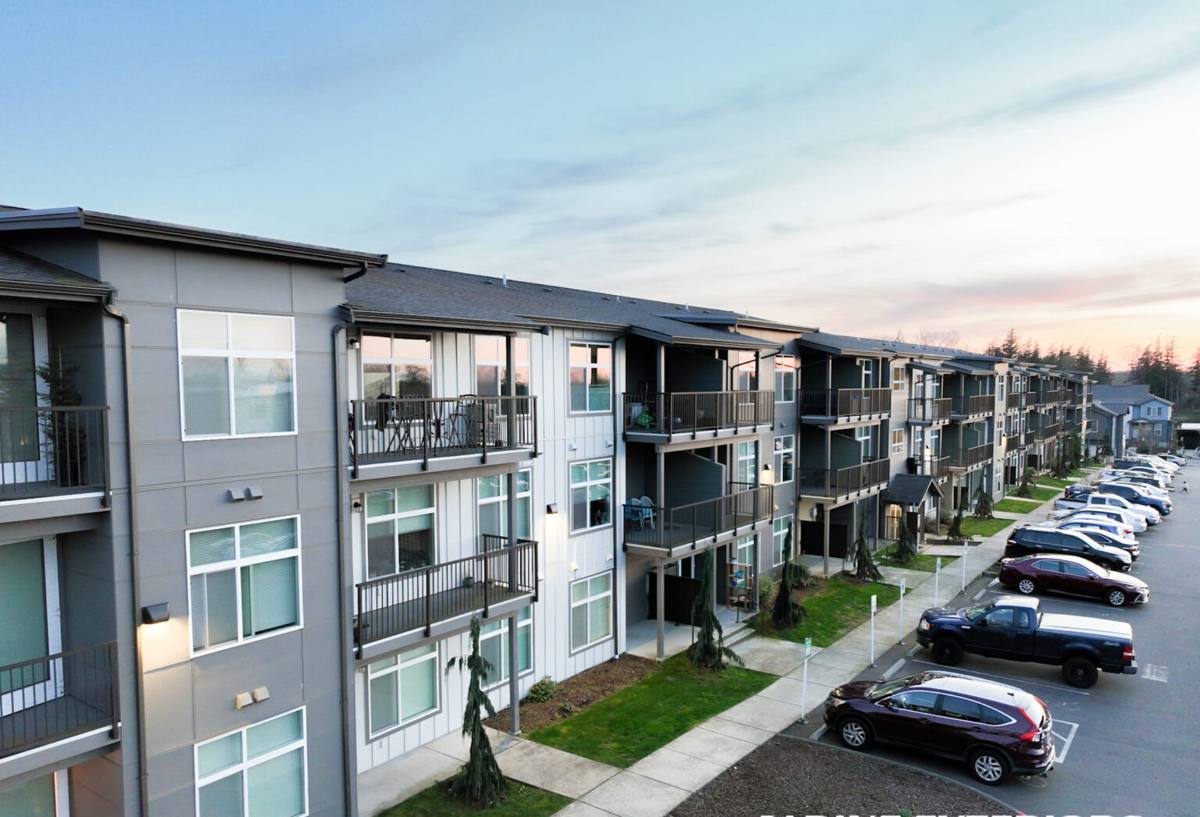
How Local Climate Stress Actually Damages Siding
Wind and Wind-Driven Rain
Sustained coastal winds don't just push rain against a house — they drive it under laps, around trim, and into any gap where a seal has started to fail. Once water gets behind siding, the damage often isn't visible from the street until it's already affected sheathing or framing underneath.
UV Exposure
Florida sun is harder on exterior finishes than most homeowners realize. Paint films chalk, fade, and lose their bond to the substrate faster under this level of UV load, which is one reason factory-applied, baked-on finishes hold up so much better here than field-applied paint.
Salt Air
Salt is corrosive to metal fasteners, flashing, and trim hardware. It also accelerates the breakdown of finishes that aren't formulated to resist it. A repair using the wrong fastener type or an unsealed cut edge can start showing problems within a single storm season this close to the coast.
Signs a Gulfport Home Needs Siding Repair — Not Just Paint
Many homeowners try to solve siding problems with paint alone. Sometimes that's appropriate; often it just covers up a moisture or structural issue that keeps getting worse underneath. Look for these signs before deciding which route to take:
- Soft, spongy, or crumbling spots when you press on the siding, especially near the bottom courses and around windows
- Visible gaps, cracks, or separation at seams, corners, or trim joints
- Bubbling, peeling, or persistent staining in one localized area rather than the whole wall
- Rust streaks running down from fasteners or metal flashing
- Boards that have visibly warped, bowed, or pulled away from the wall
- A musty smell or discoloration on the interior wall directly behind a suspect section of siding
- Damage that appeared or worsened right after a storm — impact marks, lifted panels, or missing sections
Any one of these on its own might be a small fix. Several together, especially on one side of the house, usually points to a moisture path that needs to be traced back to its source before any patch will actually hold.
What a Correct Siding Repair Actually Involves
A siding repair that's done right is not just cutting out a bad board and nailing in a new one. On a coastal Florida home, a proper repair has to address the whole assembly, not just the visible surface:
- Find the real source of the damage. Water stains and rot are usually symptoms, not the problem itself. A failed flashing detail, a gap at a window head, or a caulk joint that dried out in the sun is often the actual cause.
- Check what's behind the siding. House wrap, sheathing, and framing all need to be evaluated once the damaged section is opened up. Repairing over compromised sheathing just resets the clock on the same failure.
- Match the material correctly. Thickness, profile, and exposure reveal need to match the existing siding so the repair doesn't create a visible seam or a new water trap.
- Reseal and refasten to spec. Fastener type, spacing, and caulk selection all matter more in salt air than they would inland — using the wrong hardware here shortens the life of the repair significantly.
- Prime and finish any cut edges. An unsealed cut edge is one of the fastest ways for a fiber cement or wood-based repair to fail, since it exposes the core material directly to moisture.
Repair or Replace? How We Help You Decide
Not every damaged section needs a full re-side, and not every "repair" is actually worth doing. The right call depends on how much of the wall is affected, what's causing the damage, and how the existing siding is holding up everywhere else.
| Factor | Points Toward Repair | Points Toward Replacement |
|---|---|---|
| Extent of damage | Isolated to one or two sections | Spread across multiple walls or elevations |
| Cause | Single event (impact, one flashing failure) | Systemic — age, widespread moisture intrusion |
| Underlying sheathing | Sound once opened up | Soft, rotted, or compromised in multiple spots |
| Age of existing siding | Relatively young, still performing well elsewhere | Near or past its expected service life |
| Material match | Current product still available or closely matchable | Discontinued profile or material we can't match cleanly |
We'll always tell you honestly when a repair makes sense versus when you'd be spending money patching a system that's on its way out. A good repair should extend the life of your siding meaningfully — if it won't, we'll say so.
Why Repairs Go Through James Hardie Materials — Not Whatever's on the Wall
We install and repair with James Hardie fiber cement exclusively. We don't work in vinyl, LP SmartSide, Cemplank, Allura, or unfinished wood siding like primed spruce or cedar, and that standard carries over into repair work. If your home already has Hardie siding, a repair is straightforward — we can match the plank profile, exposure, and ColorPlus factory finish closely enough that the patch doesn't stand out.
If your home has a different siding material and the damaged section is small and isolated, we'll talk through honest options, including whether a like-for-like patch from another qualified trade makes more sense for that specific repair. What we won't do is install a different manufacturer's product to patch a Hardie wall, or vice versa — mixing systems that weren't engineered together tends to create new moisture and expansion problems down the road, which defeats the purpose of the repair.
When damage is extensive enough that a homeowner is weighing a larger repair against a partial re-side, that's usually the point where we recommend moving to Hardie for the affected elevation. Fiber cement doesn't rot, it's non-combustible, and the HZ5 product line is engineered for high-humidity, storm-prone climates like Pinellas County's — which means the repaired section won't just look right, it'll actually perform at the same level as the rest of a correctly installed Hardie wall.
Our Process for a Gulfport Repair Call
Because we already work in this area, we're familiar with the kind of damage patterns coastal Pinellas County homes typically show — which lets us move efficiently from diagnosis to a finished repair.
- Inspection: We look at the damaged area and the surrounding wall, and check behind the siding wherever there's a sign of moisture intrusion.
- Diagnosis: We identify the actual cause — flashing, caulk failure, impact damage, or age-related wear — not just the visible symptom.
- Honest scope: We tell you plainly whether this is a repair, a partial section replacement, or something bigger, and why.
- Material match: For Hardie homes, we source matching profile, exposure, and finish so the repair blends in rather than standing out.
- Proper install: Correct fasteners, sealed cut edges, and flashing details suited to a coastal wind and moisture environment.
- Final check: We walk the repair with you before we consider the job finished.
What Affects the Cost of a Siding Repair
Repair pricing varies more than replacement pricing, because it depends heavily on what's found once the damaged section is opened up. Broadly, the factors that move the number are:
| Cost Factor | Why It Matters |
|---|---|
| Size of the damaged area | More linear footage of board and more cut edges to seal |
| Condition of underlying sheathing | Rotted sheathing has to be replaced before new siding goes back on |
| Height and access | Second-story or hard-to-reach sections take more setup time |
| Material match difficulty | Matching an older or discontinued profile can add sourcing time |
| Trim and flashing involved | Repairs near windows, corners, or roof lines often need flashing work, not just board replacement |
We'll give you a clear, itemized picture of what's driving the cost on your specific repair rather than a vague estimate — you should know exactly what you're paying for and why.
Keeping Repaired Siding Performing in a Coastal Climate
Once a repair is done, a little regular attention keeps it — and the rest of your siding — performing for years. Rinse salt residue off the exterior periodically, especially after storms, and keep an eye on caulk joints around windows, doors, and trim, since those are the first places sun and salt air tend to break a seal down. Catching a small caulk failure early is far cheaper than dealing with the water damage it eventually causes if it's ignored.
If you're noticing soft spots, cracked seams, staining, or storm damage on your Gulfport home's siding, we're happy to take a look and give you a straight answer on what it needs — whether that's a targeted repair or something more. Reach out for a free, no-pressure estimate using the form below.