 St. Petersburg Siding
 Gulfport's Coastal Climate Is Hard on Roofs
Gulfport sits in one of the more exposed pockets of Pinellas County, close enough to open water that every roof in the area deals with a combination of stresses most inland homes never see. Hurricane-force wind events test how well a roof system is fastened down. Wind-driven rain finds every gap in flashing and underlayment during tropical storms and even ordinary summer downpours. Year-round, intense UV breaks down asphalt oils and dries out sealants faster than in cooler climates. And salt air, carried in off the water, slowly corrodes exposed metal fasteners, flashing, and vent stacks even on homes that aren't right on the coastline.
None of these forces act alone. A roof that's already brittle from UV exposure is far more likely to lose shingles in a wind event. Corroded fasteners loosen their grip over time, which is exactly when you don't want them failing. A correct roof replacement in Gulfport has to account for all of it at once, not just meet the minimum code requirement on paper.
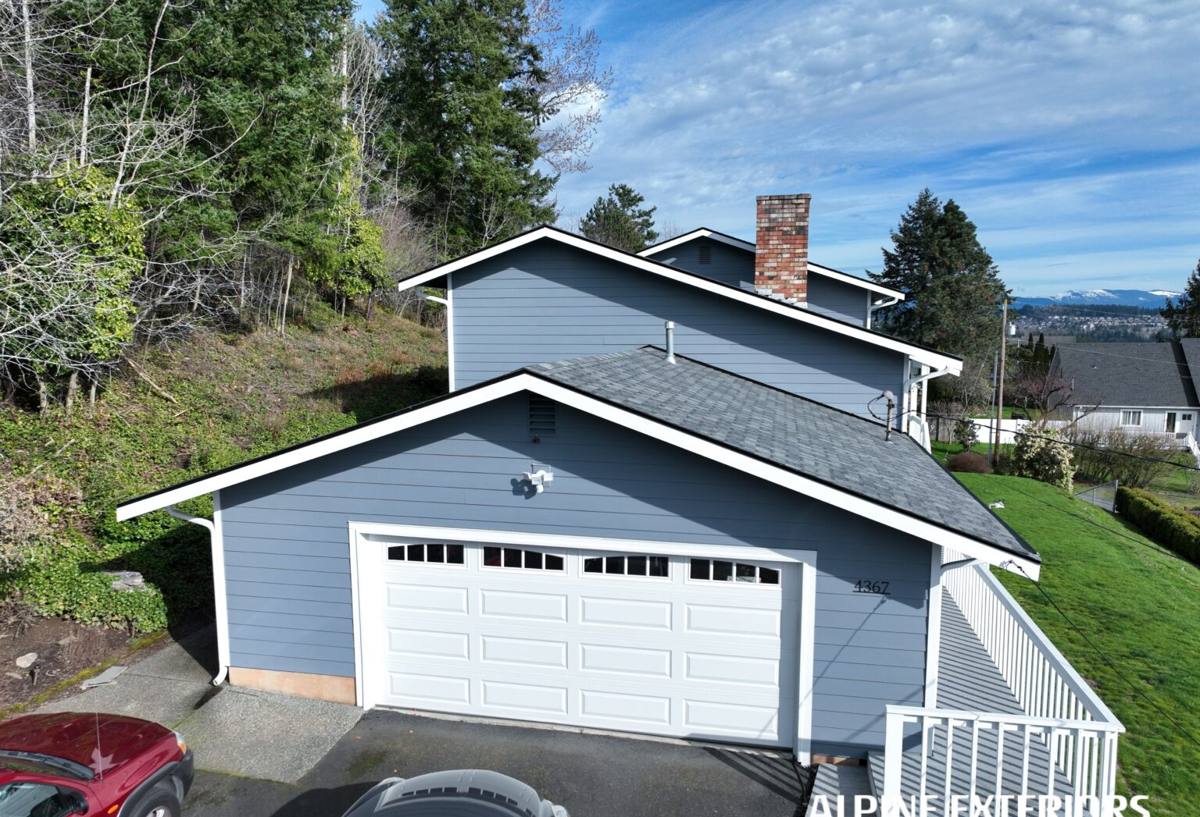
Repair or Replace? Signs It's Time for a New Roof
Not every roofing problem means a full replacement, but in a coastal climate, small issues compound quickly. Knowing what to look for helps you catch a failing roof before it causes interior damage.
What to look for inside
Water stains on ceilings or upper walls, especially after wind-driven rain, are one of the clearest warning signs. Musty odors in attic spaces, visible daylight through the roof deck, or sagging in the attic sheathing all point to a roofing system that's past patching.
What to look for outside
From the ground, watch for shingles that are cupping, curling, or missing granules in patches, rusted or lifted flashing around chimneys and vents, and dark streaking that can signal trapped moisture underneath the roofing material rather than just surface staining.
- Shingles missing, cracked, or curling at the edges
- Granules collecting in gutters or at downspouts
- Soft spots when walking the roof deck (best assessed by a professional)
- Rusted, lifted, or cracked flashing around penetrations
- Visible sagging along the roofline
- A roof older than its expected service life that's been through several storm seasons
What a Correct Roof Replacement Involves in This Climate
A roof replacement is more than stripping old shingles and nailing down new ones. In a wind- and moisture-exposed area like Gulfport, several steps matter more than they would in a milder climate.
Deck inspection and repair
Once the old roofing is removed, the deck underneath gets inspected for rot, delamination, or soft spots — often from years of small leaks that never showed up as an obvious ceiling stain. Any compromised decking should be replaced before new material goes down; skipping this step undermines everything installed on top of it.
Underlayment and secondary water barrier
A quality synthetic or self-adhering underlayment acts as the roof's backup defense if wind-driven rain gets under the primary roofing material, which happens more often near open water than inland. This layer matters as much as the visible roofing on top.
Wind-rated fastening and flashing
How a roof is fastened down affects its ability to survive a wind event far more than which shingle brand is used. Proper nailing patterns, corrosion-resistant fasteners, and correctly installed flashing at every penetration, edge, and valley are what actually keep a roof attached during a storm.
Ventilation
Attic ventilation affects both energy costs and shingle life. In Florida's heat, a poorly ventilated attic bakes roofing material from underneath, shortening its lifespan regardless of how well it was installed.
Choosing a Roofing Material for a Coastal Pinellas Home
There's no single "best" roofing material — the right choice depends on your budget, how long you plan to stay in the home, and how much long-term maintenance you're willing to take on. Here's an honest comparison of the main options for a Gulfport property.
| Material | Wind Performance | Heat/UV Durability | Salt-Air Durability | Typical Lifespan |
|---|---|---|---|---|
| Architectural asphalt shingle | Good, when properly fastened | Moderate; UV breaks down oils over time | Good with corrosion-resistant fasteners | 15–25 years |
| Standing seam metal | Very good | Excellent; reflects heat well | Good with marine-grade coatings and fasteners | 30–50 years |
| Concrete or clay tile | Very good when properly attached | Excellent | Very good | 40-plus years |
Asphalt shingles remain the most common choice because of their upfront cost and wide availability of repair materials. Metal and tile cost more initially but ask less of you in maintenance and replacement frequency over the life of the home. Whichever material you choose, we'll walk you through the honest trade-offs — including installation sensitivity and long-term upkeep — rather than just pushing whatever has the highest margin.
Permits, Codes, and Wind Mitigation in Pinellas County
Roof replacements in Pinellas County are permitted work, not a project a homeowner or contractor can skip the paperwork on. Florida's building code includes wind-resistance provisions that govern fastening patterns, underlayment requirements, and inspection points along the way. A licensed contractor pulls the permit, schedules the required inspections, and closes it out properly when the job is done.
It's also worth asking your insurance agent about a wind mitigation inspection after a full roof replacement. A new roof installed to current code, with documented fastening and features like a secondary water barrier, can sometimes qualify a home for lower windstorm premiums — the specifics depend on your policy and carrier, so that conversation is between you and your insurer, but a properly documented replacement gives you something to bring to that conversation.
Our Roof Replacement Process for Gulfport Homeowners
Inspection and estimate
We start with a full roof and attic inspection, not just a look from the driveway. You get a clear written estimate that spells out material options and what the job actually includes — no vague line items.
Tear-off and deck assessment
Old roofing comes off down to the deck, which gets inspected and repaired as needed before anything new goes down. This is also when we confirm flashing, vent, and penetration details against the plan.
Installation
Underlayment, flashing, and the roofing material go down in sequence, following manufacturer specifications and the fastening pattern appropriate for wind resistance in this area — not just the code minimum.
Final inspection and cleanup
The completed roof goes through final inspection with the county, and we do a full site cleanup, including a magnetic sweep for stray nails, before we consider the job finished.
Why Hire a Crew That Already Works in Gulfport
A roofing crew that regularly works in and around Gulfport already knows the local permitting process at the county level, understands how exposed the area is compared to more inland Pinellas neighborhoods, and has a realistic sense of how salt air and storm exposure affect material choices here. That familiarity shows up in small but real ways — knowing which fastening and flashing details matter most for homes this close to open water, and being available quickly if storm damage needs assessment rather than juggling a schedule spread across an unfamiliar service area.
It also means someone who understands St. Petersburg and greater Pinellas County's mix of older, established homes and newer construction, and can adjust the approach accordingly rather than treating every roof the same way.
Maintaining Your New Roof in Salt Air and Year-Round Sun
A correctly installed roof still benefits from basic upkeep, especially in a climate this demanding. A little attention twice a year goes a long way toward getting the full lifespan out of your investment.
- Have gutters cleared regularly so water doesn't back up under roof edges
- Trim back overhanging branches that drop debris or hold moisture against the roof
- Rinse off salt residue and organic buildup periodically, especially on metal components
- Schedule a professional inspection after any major storm, even if no damage is visible from the ground
- Address small flashing or sealant issues promptly before they become leaks
- Keep attic ventilation clear and unobstructed
Cost Factors for Gulfport Roof Replacements
Every roof is different, so exact pricing depends on a site visit, but a few factors consistently drive cost up or down: the size and pitch of the roof, how many layers of old roofing need to come off, the amount of deck repair required, the material chosen, and the complexity of the roofline itself — a simple gable roof costs less to replace than one with multiple valleys, dormers, and penetrations. As a general point of reference, a straightforward asphalt shingle replacement on a mid-size home often falls in the mid-five-figure range on the low end, with metal or tile running higher given their material and labor costs. We'll give you specifics for your home rather than a generic number that doesn't reflect what you're actually paying for.
If your roof is showing its age or you just want an honest second opinion, we're happy to take a look. Request a free, no-pressure estimate using the form below and we'll walk your roof with you and talk through what actually makes sense for your home.