 St. Petersburg Siding
 New Roof Installation Built for Gulfport's Coastal Conditions
Gulfport sits close enough to Boca Ciega Bay that salt air, humidity, and wind-driven rain are part of daily life for every roof in the neighborhood. Add in the older bungalow and cottage-style homes that make up a lot of Gulfport's housing stock, many with roof decks and framing that have been through decades of Florida summers, and a roof replacement here isn't a one-size-fits-all job. It has to account for the way this specific stretch of Pinellas County treats a roof over time — not just the way a roof performs on a spec sheet.
A new roof is one of the biggest single investments a homeowner makes in a property, and it's also the one system that has zero margin for a rushed or generic installation. Get it right and you've got 20-30+ years of protection. Get it wrong — bad flashing, skipped underlayment, the wrong fastening pattern for the wind zone — and you're looking at leaks, uplift damage, or a voided warranty within a few storm seasons.
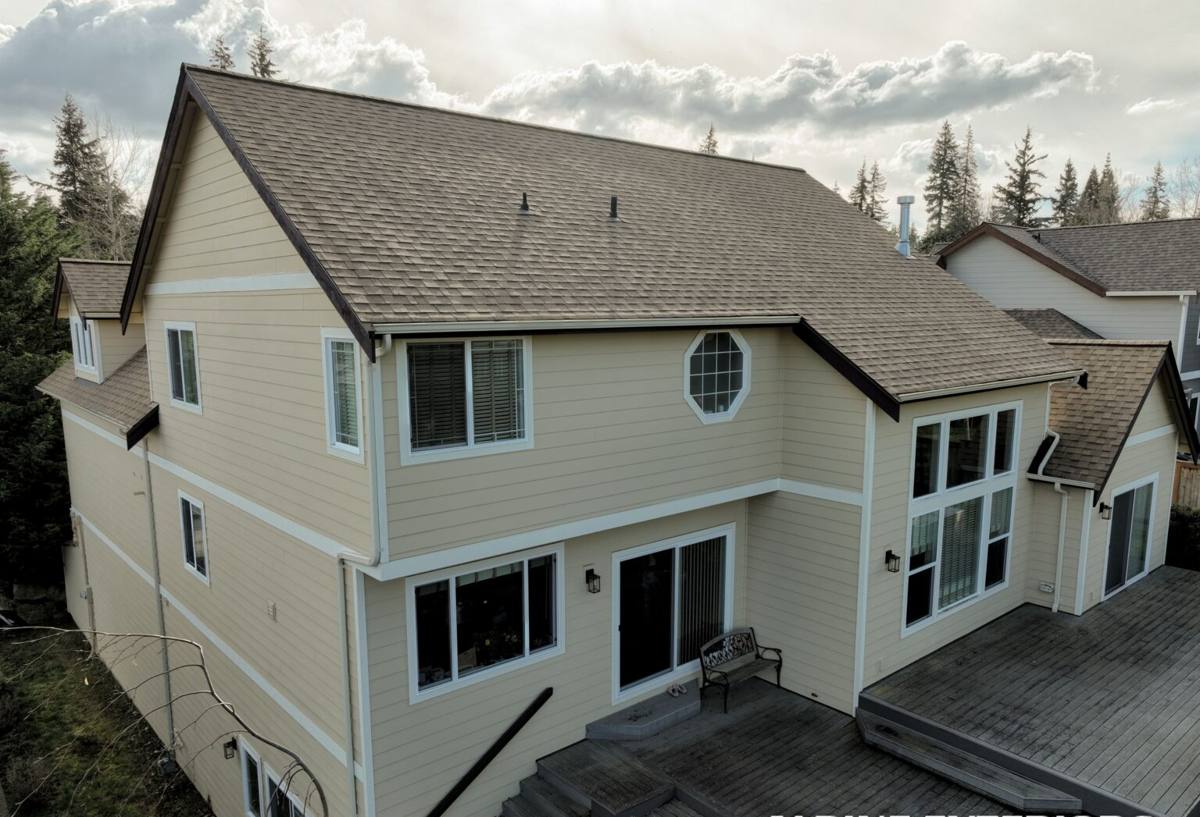
Signs Your Gulfport Home Needs a Full Replacement, Not a Repair
Not every roof problem calls for a full tear-off. But there's a point where patching becomes throwing money at a roof that's already lost its structural integrity. Common signs we look for on Gulfport homes include:
- Shingles that are cupping, curling, or losing granules across large sections of the roof, not just one isolated area
- Soft spots or sagging in the roof deck when walked, which usually means water has been getting into the plywood
- Repeated leaks in different spots after storms, rather than one consistent leak point
- Visible daylight through the attic decking, or damp, musty insulation
- A roof that's 18-20+ years old, even if it "looks fine" from the ground — most asphalt roofing in this climate is nearing the end of its service life by then regardless of appearance
- Rusting, lifting, or corroded flashing around chimneys, vents, and skylights, which is common near the water
If a roof is showing two or more of these at once, replacement is almost always the more honest recommendation than another round of patchwork repairs.
What a Correct Installation Actually Involves
It Starts Below the Shingles
The materials you see from the street are only part of the system. What actually keeps a Gulfport home dry and intact through hurricane season is everything underneath: the deck, the underlayment, the flashing, and the fastening method. A roof that looks identical from the curb can perform completely differently depending on what's happening at the deck level.
The Non-Negotiables for This Climate
- Deck inspection and repair. Every section of exposed decking gets checked for rot, delamination, or soft spots before anything new goes down. Covering a compromised deck is one of the most common shortcuts that leads to early failure.
- Self-adhering underlayment at vulnerable points. Valleys, eaves, and roof-to-wall intersections get a water-and-ice type membrane (used here primarily for wind-driven rain protection, not ice) that seals around fastener penetrations.
- Corrosion-resistant flashing. Salt air accelerates corrosion on standard metal flashing. We use materials suited for coastal exposure at chimneys, walls, and vents rather than the cheapest stock flashing.
- Fastening to current wind-uplift code. Pinellas County enforces specific nailing patterns and fastener counts for high-velocity hurricane zone requirements. This isn't optional or a matter of preference — it's inspected.
- Proper attic ventilation. Florida attics trap heat and moisture. Balanced intake and exhaust ventilation protects the new decking and keeps shingle warranties valid, since manufacturers often require it.
Roofing Materials for Gulfport Homes: A Practical Comparison
Most Gulfport reroofs come down to a choice between a few core materials. Each has real trade-offs for this climate — there's no universally "best" option, only the best fit for a given roof, budget, and home style.
| Material | Typical Lifespan | Wind/Storm Performance | Considerations for This Area |
|---|---|---|---|
| Architectural asphalt shingles | 20-30 years | Good, when rated and installed for high-wind zones | Most common choice; wide style range; needs proper ventilation to avoid premature aging in the heat |
| 3-tab asphalt shingles | 15-20 years | Lower wind rating than architectural | Lower upfront cost, but shorter service life in intense UV and storm exposure |
| Standing seam metal | 40-50+ years | Excellent wind uplift resistance | Higher upfront cost; reflects heat well; needs coastal-rated fasteners and coatings to resist salt corrosion |
| Concrete or clay tile | 40-50+ years | Very good when properly fastened | Heavy — requires the structure to support it; individual tiles can crack from impact and need careful matching for repairs |
For many Gulfport homes, architectural shingles rated for high-wind zones hit the right balance of cost, appearance, and durability. Metal and tile make sense for homeowners planning to stay long-term and wanting to minimize future replacement cycles, or for homes where the roof style already calls for it.
Our Installation Process
- On-site inspection and estimate. We walk the roof, check the attic, and assess the deck condition before quoting anything — not from a satellite photo.
- Material selection. We go over the trade-offs above based on your budget, how long you plan to stay in the home, and the look you want.
- Permitting. Roof replacements in St. Petersburg and unincorporated Pinellas County require a permit and inspection. We handle the filing and schedule inspections at the correct stages.
- Tear-off and deck repair. Old roofing comes off down to the deck, any damaged sheathing is replaced, and the deck is re-secured to current code before anything new goes on.
- Underlayment and flashing. Water-resistant underlayment and corrosion-resistant flashing go in at every valley, penetration, and wall intersection.
- Installation to wind-zone specification. Shingles, metal, or tile are fastened using the nailing or fastening pattern required for our wind zone — not a generic pattern used further inland.
- Final inspection and cleanup. We walk the finished roof with you, confirm the permit inspection passes, and do a full magnetic sweep of the yard for stray fasteners.
Wind, Sun, and Salt: Why Gulfport Roofs Age Differently
A roof identical in materials and installation will simply age faster in Gulfport than it would 30 miles inland. Three factors drive that:
Wind
Tropical storms and hurricane-force gusts put uplift pressure on roof edges and corners first. Correct fastening patterns and edge metal are what keep a roof intact when a storm pulls on it, rather than losing shingles or whole sections.
UV Exposure
Year-round intense sun breaks down asphalt shingle oils and granule adhesion faster than in most of the country. This is part of why attic ventilation matters so much here — a hot, poorly ventilated attic accelerates that breakdown from underneath the shingle as well as from the sun above it.
Salt Air
Being close to the water means metal components — flashing, fasteners, vent stacks, drip edge — corrode faster than they would further inland. Choosing coastal-appropriate metals and fasteners up front avoids a scenario where the shingles are fine but the flashing has failed early and started leaking.
What Drives the Cost of a New Roof
| Factor | Why It Matters |
|---|---|
| Roof size and pitch | More square footage and steeper pitches mean more material and labor time |
| Material choice | Asphalt shingles cost less upfront than metal or tile; the trade-off is lifespan and wind performance |
| Number of existing layers | Homes with multiple layers of old roofing need a full tear-off, which adds labor and disposal cost |
| Deck condition | Rotted or soft decking sections need to be replaced before new roofing goes on — this is only confirmed once tear-off starts |
| Roof complexity | Valleys, dormers, chimneys, and skylights all add flashing work and labor time |
| Ventilation upgrades | Adding or correcting attic ventilation during the reroof is often more cost-effective than doing it separately later |
Because deck condition often isn't fully known until the old roofing is off, an honest estimate should include a clear allowance and process for handling deck repairs if they're discovered — not a vague "we'll figure it out" answer.
Why a Crew That Already Works in Gulfport Matters
Roofing code and permitting requirements aren't identical across every jurisdiction in the Tampa Bay area, and Pinellas County's high-velocity hurricane zone requirements are stricter than what a crew coming from inland may be used to working with day to day. A contractor who regularly pulls permits and schedules inspections with St. Petersburg and Pinellas County knows the process, the inspectors, and the paperwork — which keeps a project moving instead of stalled on a permitting mistake.
There's also a practical, on-the-ground reason: crews who work Gulfport's streets regularly are familiar with the mix of home ages and roof framing styles here, from older cottage-style homes to newer builds, and know what to expect when a deck comes up for inspection. That experience shows up in fewer surprises mid-project and a more accurate estimate up front.
After Installation: Keeping a New Roof Performing
A correctly installed roof still benefits from basic upkeep, especially in a climate this demanding. A simple post-installation checklist:
- Have the roof visually inspected after any major storm, even if there's no visible interior leak
- Keep gutters and downspouts clear so water isn't backing up under the roof edge
- Trim back overhanging branches that can drop debris or scrape shingles in high wind
- Check attic ventilation isn't blocked by insulation or debris once a year
- Address any small flashing or sealant issues promptly — they're inexpensive to fix early and expensive to ignore
- Keep documentation of the installation and any manufacturer warranty on file in case of future storm damage claims
If your Gulfport roof is showing its age, or you just want a straight answer on whether repair or replacement makes sense, we're happy to take a look. Fill out the form below for a free, no-pressure estimate — we'll walk the roof, explain what we find, and give you honest options.