 St. Petersburg Siding
 Roser Park's Housing Stock and What Its Siding Is Up Against
Roser Park is one of St. Petersburg's older, established neighborhoods — a mix of early-1900s construction, mid-century additions, and more recent renovations sitting close to downtown. That age range matters for siding work. Homes built decades ago were often sided with materials and methods that made sense at the time but were never engineered for the wind speeds, UV exposure, and moisture loads that Pinellas County sees today. When we go out to a job in this neighborhood, we're not just replacing panels — we're usually correcting decades of accumulated exposure damage on the wall assembly underneath, too.
That's the real difference between a siding job that looks fine for a season and one that holds up for 30+ years: what's happening behind the siding matters as much as what's on the surface.
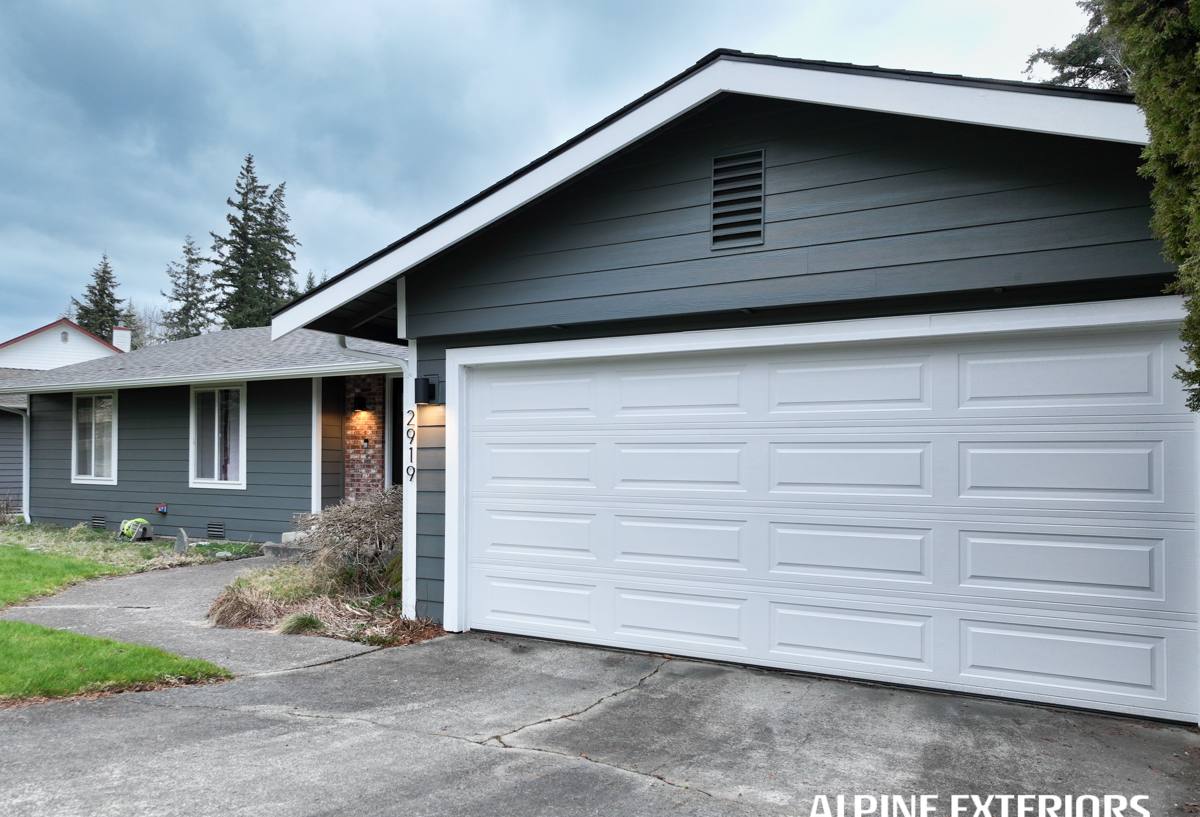
What St. Petersburg's Climate Actually Does to Siding
Hurricane-Force Wind
Pinellas County sits on a peninsula, and every siding product on a Roser Park home has to survive tropical storm and hurricane-force wind events, sometimes more than once in its service life. Wind doesn't just push on siding — it gets underneath loose panels, works fasteners back and forth, and turns poorly-sealed joints into entry points for water. Siding that isn't engineered and installed for wind load doesn't just look bad after a storm; it fails at the fastener line.
Year-Round UV
Florida sun is intense and near-constant. Paint films that aren't factory-cured break down faster here than almost anywhere else in the country, leading to chalking, fading, and the need for repainting far sooner than a homeowner expects.
Wind-Driven Rain
St. Petersburg storms don't fall straight down — wind pushes rain sideways and up under laps, trim, and corner boards. Siding systems and installation details that assume gravity does all the work (rain runs down and off) fail here, because the water is coming from the side.
Salt Air
Being close to Tampa Bay and the Gulf means airborne salt is a constant, even away from the immediate waterfront. Salt accelerates corrosion on fasteners and trim, and it degrades some coatings and composite materials faster than inland exposure would.
Why We Only Install James Hardie Fiber Cement
We don't install vinyl, LP SmartSide, Cemplank, Allura, primed spruce, or cedar. That's a deliberate standard, not a lack of options, and it's worth explaining honestly.
Vinyl siding is inexpensive and easy to install, and for a lot of climates it's a reasonable choice. In St. Petersburg's heat, though, vinyl softens and can warp or sag, and in wind events it has a lower impact and wind-load rating than fiber cement — panels can crack or blow off in storms strong enough to be common here. Wood-based composite siding like LP SmartSide performs well in drier, less humid regions, but it relies on an engineered wood core and factory treatments to resist moisture; in a coastal, humid, wind-driven-rain climate like ours, that core is the part we're least willing to bet a 30-year installation on. Primed spruce and cedar are real wood — beautiful, but they need ongoing paint maintenance and are the most exposed of any option to rot and insect damage in this humidity.
James Hardie fiber cement is non-combustible, doesn't have a wood core to rot, and holds up to humidity and moisture cycling without swelling or delaminating. Hardie's ColorPlus finish is a factory-baked coating engineered specifically to resist UV fade far longer than field-applied paint. Hardie also builds its HZ5 product line specifically for humid, coastal climates like ours — engineered moisture and durability characteristics matched to exactly the conditions Roser Park homes face. That combination — plus a strong, transferable warranty when installed to spec — is why we standardized on one product instead of offering five and hoping each one gets installed correctly.
What a Correct Installation Actually Involves
Weather Barrier and Flashing First
Before a single piece of siding goes up, the wall needs a continuous water-resistive barrier and correctly lapped flashing at every window, door, and penetration. This is the layer that actually keeps wind-driven rain out — the siding itself is the second line of defense, not the first. Skipping or rushing this step is the single most common cause of hidden rot behind siding that looks perfect from the street.
Fastening for Wind Load
Fastener type, spacing, and placement all change based on local wind exposure. A fastening pattern that's fine inland isn't necessarily rated for a home a few miles from the bay. We follow James Hardie's published installation instructions for our wind zone, not a generic pattern.
Joints, Trim, and Caulking
Butt joints, corners, and trim intersections are where most siding failures start. Correct installation means proper joint treatment, quality sealant rated for exterior exposure, and enough clearance at the bottom of the siding to keep it from wicking moisture from grade or roofing.
Comparing Siding Materials for a St. Petersburg Home
| Factor | Vinyl | Wood/Composite (LP-type) | James Hardie Fiber Cement |
|---|---|---|---|
| Wind/impact resistance | Lower; can crack or blow off in high wind | Moderate; depends on fastening and moisture condition | High when installed to Hardie's wind-zone spec |
| Moisture/rot resistance | Won't rot but can warp/trap moisture behind it | Vulnerable if moisture reaches the wood core | No wood core; engineered for humid climates (HZ5) |
| UV/color retention | Fades and chalks over time | Depends on field-applied paint maintenance | ColorPlus factory finish resists fading |
| Salt air durability | Coating and fasteners can degrade | Coatings and fasteners can degrade | Durable with corrosion-resistant fastening |
| Maintenance | Low, but limited repair options | Requires regular repainting/sealing | Low; occasional recaulk and inspection |
| Warranty | Varies by manufacturer | Varies; often shorter on wood-based cores | Strong transferable manufacturer warranty |
Our Process for a Roser Park Job
- Walk-through and moisture check — we inspect the existing siding, trim, and, where accessible, the sheathing underneath for soft spots or prior water damage before quoting anything.
- Scope and written estimate — what's being removed, what's being replaced, what the weather barrier and flashing plan looks like, and a realistic timeline.
- Tear-off and substrate repair — any rotted sheathing or framing found during removal gets addressed before new siding goes up, not covered over.
- Weather barrier and flashing installation — done to manufacturer spec at every penetration, corner, and transition.
- Hardie installation — fastened, jointed, and finished to James Hardie's published instructions for our wind exposure.
- Trim, caulking, and final inspection — including a walk-through with the homeowner before we call the job done.
Why a Crew That Already Works This Neighborhood Matters
Permitting and inspection requirements in St. Petersburg and Pinellas County are specific to Florida's wind-borne debris and wind-speed code requirements, and a crew that pulls permits here regularly moves through that process faster and with fewer surprises than one working from out of the area. Older neighborhoods like Roser Park also tend to have framing quirks from past additions or repairs — true dimensional lumber, uneven stud spacing, prior patch jobs — that a crew unfamiliar with local housing stock may not catch until they're already mid-project. And because some established, historic-character neighborhoods in the city have architectural review considerations for exterior changes, it's worth confirming with the city early if your home falls under any such guidelines — something a local crew is used to checking before work starts, not after.
Signs a Roser Park Home's Siding Needs Attention
- Soft or spongy spots when you press on the siding, especially near the bottom courses or below windows
- Visible warping, buckling, or gaps at panel joints
- Paint that's chalking heavily or peeling in sheets rather than fading evenly
- Staining or dark streaks that suggest water is tracking behind the siding, not just running off it
- Siding that flexed or shifted visibly during the last major storm
- Rising energy bills that could point to a compromised weather barrier letting outside air and humidity in
What Affects the Cost of a Siding Project Here
Every home is different, but the factors that move the price on a Roser Park job are consistent: total square footage of wall area, the amount of trim and architectural detail, how many layers of existing siding need to come off, whether the tear-off reveals sheathing or framing repairs, and the complexity of flashing around windows, doors, and rooflines. Homes with more corners, dormers, or multiple stories generally cost more to side correctly than a simple rectangular footprint, simply because there's more flashing and cutting involved. We won't know your real number until we've actually looked at the house, but we'll give you an honest, itemized estimate — not a vague range.
If you're weighing whether it's time to replace your siding, or you just want an honest opinion on what your Roser Park home actually needs, we're glad to come take a look. The estimate is free, there's no pressure, and you'll get a straight answer either way.