 St. Petersburg Siding
 Roser Park's Older Homes Need a Different Kind of Repair
Roser Park is one of St. Petersburg's oldest platted neighborhoods, built up around the park and ravine that give the community its name, with a mature oak canopy and a mix of early-1900s to 1920s bungalows alongside newer infill homes. That age matters when you're talking about siding repair. A house in a neighborhood this old has usually had its siding patched, repainted, or partially replaced at least once already, sometimes with materials or methods that don't hold up well to what Florida's Gulf Coast throws at a house year after year.
Repairing siding on a home like this isn't just about covering a hole or replacing a cracked board. It's about matching the existing look closely enough that the repair doesn't stand out, understanding what's likely hiding behind older siding, and making sure whatever goes back up is actually built for this climate — not just cosmetically similar to what was there before.
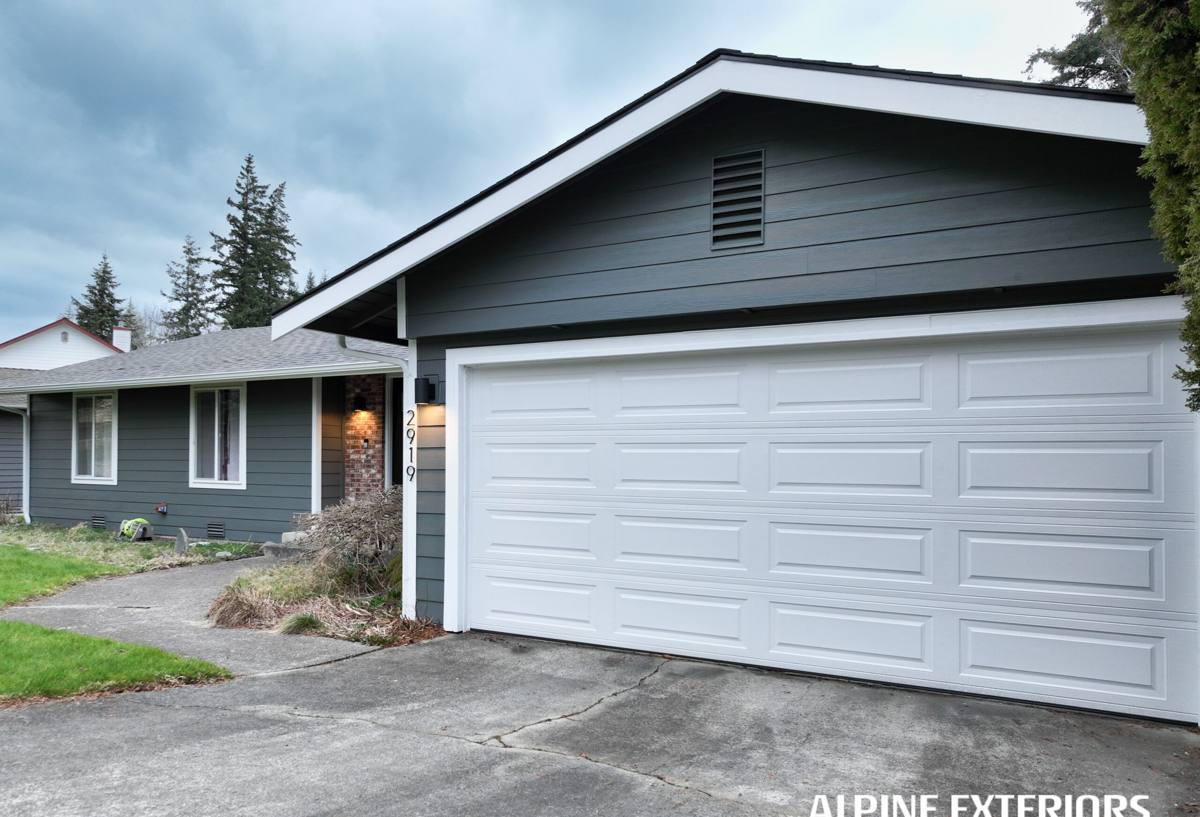
What Pinellas County Weather Does to Siding Over Time
St. Petersburg siding takes a beating that most of the country never deals with. A few things compound on each other here:
- Hurricane-force wind loosens fasteners, pries up trim, and works cracks and seams wider every storm season.
- Intense, nearly year-round UV breaks down paint films and degrades organic siding materials faster than in milder climates.
- Wind-driven rain doesn't just run down a wall — it gets pushed sideways and up under laps, trim, and joints that were never designed to handle water moving in that direction.
- Salt air off the Gulf and Tampa Bay corrodes fasteners, fades finishes, and accelerates the breakdown of anything not built to handle it.
None of these forces are unique to Roser Park, but on an older home with original or first-generation replacement siding, the cumulative effect shows up sooner — and often in places that aren't obvious from the sidewalk.
Signs Your Home Needs Siding Repair, Not Just a Paint Job
A lot of siding problems get papered over with a fresh coat of paint instead of an actual repair. That buys a little time but doesn't fix the underlying issue. Here's what to actually check for:
- Paint that's bubbling, peeling, or alligatoring in the same spots repeatedly
- Boards or panels that feel soft or spongy when you press on them
- Visible gaps opening up at seams, corners, or trim boards
- Warping, cupping, or boards pulling away from the wall
- Mold or mildew that keeps coming back after cleaning
- Popped, rusted, or streaking fastener heads
- Daylight or drafts around window and door trim
Any one of these can be a small, contained repair. Several of them together, especially clustered in one area, usually mean water has been getting in for a while and the repair needs to go deeper than the surface.
Repair or Replace? How We Make That Call
Homeowners understandably want to know if a repair is actually worth doing or if it's just delaying a full replacement. It depends on a few honest factors, not on what's easiest to sell.
| Factor | Repair usually makes sense | Replacement usually makes more sense |
|---|---|---|
| Extent of damage | Isolated to one wall, corner, or a few boards | Spread across multiple elevations |
| Underlying sheathing | Dry, solid when checked | Soft, damaged, or repeatedly wet |
| Age of remaining siding | Still has useful life left | Near or past its expected service life |
| Material match | Existing siding profile can be matched | Discontinued or mismatched material |
| Recurrence | First time seeing this issue in this spot | Same spot has failed more than once |
We'll tell you straight if a section is better off replaced than patched. A repair that's likely to fail again within a couple of years isn't a good use of your money, and we'd rather say that upfront than come back out for the same problem.
What a Correct Siding Repair Actually Involves
Matching the Existing Siding
Matching isn't just picking a similar color. It means matching the board profile, the exposure (how much of each board or panel shows), and the finish. On homes with a factory-applied finish like James Hardie's ColorPlus, an older section that's had years of UV exposure may have faded slightly from a brand-new piece, so we talk through whether a small color variance is acceptable or whether a broader section should be refinished together so it reads as one continuous wall.
Checking What's Underneath
Before anything new goes up, we pull the damaged material and actually look at what's behind it — the sheathing, the framing, and any existing house wrap or moisture barrier. If there's rot or sustained moisture damage, patching over it just seals the problem in. That gets addressed and dried out before new siding goes back on, even if it means the repair takes a little longer than expected.
Flashing, Fasteners, and Sealant
Most siding failures we find in this area trace back to a flashing or fastener detail that was done wrong the first time, not a defect in the siding material itself. Correct repair means proper flashing at windows, doors, and any penetration; corrosion-resistant fasteners suited to a salt-air environment; and sealant used where it's actually needed — not as a substitute for correct flashing.
Why We Repair and Rebuild Using James Hardie Fiber Cement Only
We standardized on James Hardie fiber cement for every repair and replacement we do, and we don't install vinyl, LP SmartSide, Cemplank, Allura, or primed wood siding. That's a deliberate call, not a limitation we apologize for.
Fiber cement doesn't rot, doesn't feed termites or other wood-destroying insects, and it's non-combustible. James Hardie's HZ product lines are engineered specifically for humid, high-UV climates like ours, which matters more here than it would somewhere with milder weather. The factory-applied ColorPlus finish holds color longer under intense sun than field-applied paint, which cuts down on the repainting cycle that older siding in this neighborhood has typically needed. When we do a repair, matching into an existing Hardie wall is straightforward. When a section needs full replacement rather than a patch, we replace it with Hardie rather than mixing in a different material that will age, expand, and weather differently right next to it.
Our Siding Repair Process in Roser Park
- On-site inspection. We look at the damaged area and the surrounding siding, check for moisture with a meter where it matters, and look at the sheathing if the siding needs to come off anyway.
- Straight assessment. You get a plain-language explanation of what we found, whether repair or replacement makes more sense for that section, and why.
- Material sourcing. We source or order matching Hardie profile, exposure, and color so the repair blends with the rest of the wall.
- The repair itself. Remove the damaged material, address anything found underneath, install new material with correct flashing and fasteners.
- Finish work. Caulk and touch-up paint or color match as needed so the repair isn't a visible patch.
- Walkthrough. We go over the completed work with you before we consider the job done.
Why a Crew That Already Works in This Neighborhood Matters
A contractor who's worked on homes in Roser Park before already has a feel for the age and construction of the housing stock here — what kind of siding tends to show up under a previous repair, how older trim details were typically built, and how to make a patch disappear into a home with real architectural character instead of looking bolted on. That's different from a crew pulling up for the first time and treating every job like a generic tract-home repair.
It also means fewer surprises. A crew unfamiliar with this part of St. Petersburg might not anticipate the moisture patterns typical of homes with mature tree cover and older foundations, or might quote a repair without accounting for what's usually found once the old siding comes off. Local experience shortens that learning curve and keeps the estimate closer to the final bill.
What Affects the Cost of a Siding Repair Here
Every repair is different, but a few things reliably move the price up or down:
- How much of the wall is actually damaged versus how much just needs to be removed to reach it
- Whether the damage has reached the sheathing or framing underneath
- Whether the existing siding is Hardie (easy to match) or a different material that needs a broader section replaced to blend
- Accessibility — a second-story wall or a tight side yard takes more time than a ground-level repair
- Paint or color matching needs across the repaired section
We won't quote a number without seeing the actual damage, but we'll walk you through exactly what's driving the cost so there are no surprises once the work starts.
If you're dealing with damaged, aging, or storm-worn siding on a Roser Park home, we're happy to take a look and give you a straight answer on what it needs. The estimate is free, there's no pressure to move forward, and you'll get a clear explanation either way.