 St. Petersburg Siding
 Deck Building for Roser Park's Older, Established Homes
Roser Park is one of St. Petersburg's older residential neighborhoods, and that shows in the housing stock: mature tree canopy, established lots, and homes built across several different eras of construction. A deck project here almost always has to work around something a newer subdivision wouldn't — an aging foundation, uneven grade, root systems from decades-old trees, or a house that was never plumbed for a modern outdoor structure. Building a deck that holds up in this setting takes more than a standard build; it takes a crew that actually looks at what the house and lot are doing before the first post goes in.
We build decks for homeowners throughout St. Petersburg and Pinellas County, and Roser Park's mix of older construction and heavy tree cover is a recurring theme in the work we do there. This page covers what a deck built for this neighborhood needs to hold up, what a correct installation actually involves, and how our process works from first call to final walkthrough.
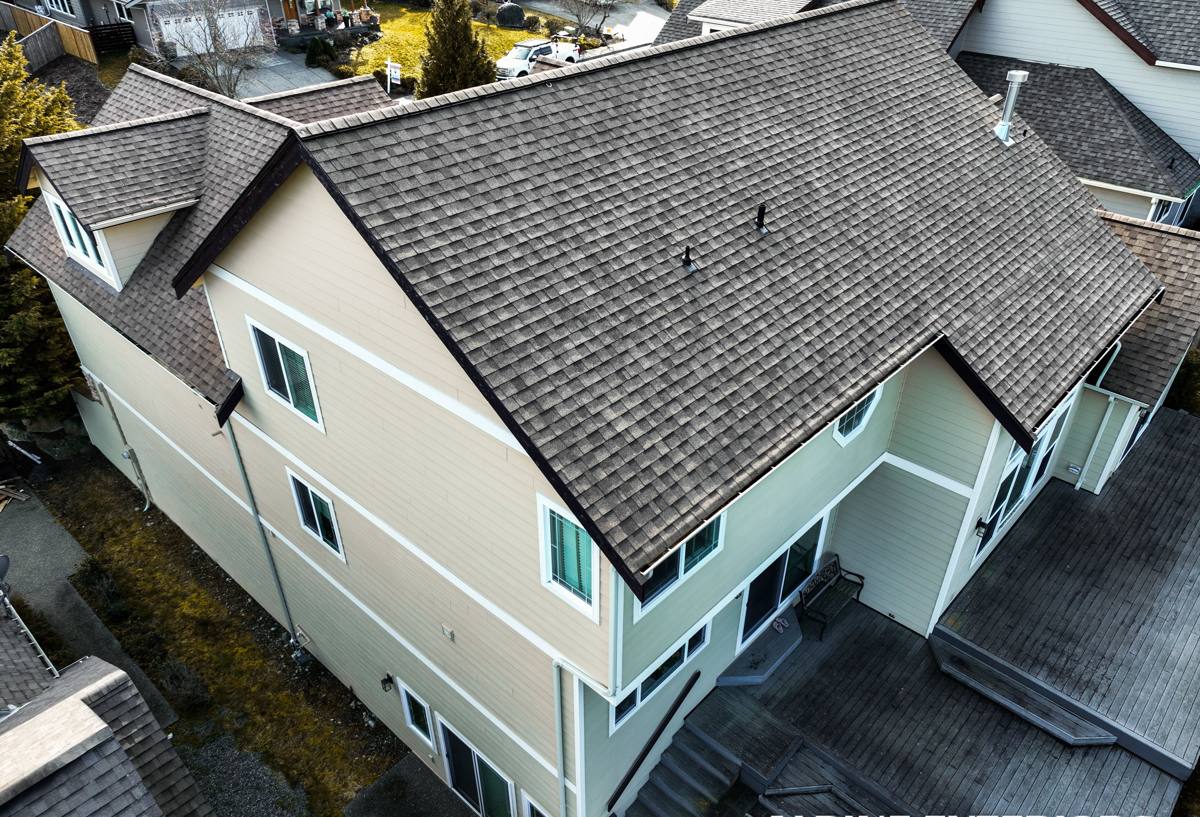
What Pinellas County's Climate Does to an Outdoor Structure
A deck in Roser Park isn't dealing with abstract "Florida weather" — it's dealing with a specific combination of stresses that Gulf Coast homes see year-round, and each one attacks a deck differently.
Intense, Year-Round UV Exposure
St. Petersburg sees strong sun exposure nearly every month of the year, not just in summer. UV breaks down the lignin in wood fibers, fades and chalks composite decking surfaces, and degrades fastener coatings and sealants faster than in northern climates. A deck built without UV-rated materials and finishes will show graying, splintering, or surface breakdown well ahead of schedule.
Wind-Driven Rain and Standing Moisture
Afternoon storms here don't fall straight down — they come in sideways, driven by wind, and they soak into joints, ledger connections, and end-grain cuts that a vertical rain would never reach. Combined with our humidity, that moisture doesn't dry out quickly. Any deck built without proper flashing, drainage gaps, and moisture-resistant hardware traps water exactly where rot and corrosion start.
Salt Air Corrosion
Roser Park sits close enough to Tampa Bay that salt-laden air is a real factor in material selection, even without direct waterfront exposure. Standard zinc-coated fasteners and hardware corrode faster near the coast than they would inland. Using the wrong grade of screws, joist hangers, or bolts is one of the most common shortcuts we see on decks that fail early — the wood might look fine while the connections underneath are quietly rusting apart.
Hurricane-Force Wind Loads
Pinellas County is squarely in hurricane territory, and a deck attached to a house has to survive uplift and lateral loads that inland structures never see. That means correctly sized and spaced fasteners, proper ledger attachment, and — depending on deck height and configuration — engineered post and footing sizing that meets current wind-load requirements, not whatever was standard when the house was originally built decades ago.
Decking Material Comparison for This Climate
There's no single "best" decking material — there's a best material for a given budget, maintenance appetite, and exposure. Here's how the common options actually perform under St. Petersburg conditions:
| Material | UV/Sun Performance | Moisture Behavior | Maintenance | Typical Lifespan Here |
|---|---|---|---|---|
| Pressure-treated pine | Fades and grays without regular sealing | Prone to cupping/splitting if not sealed | Re-seal every 1-2 years | 10-15 years with upkeep |
| Tropical hardwood (ipe, cumaru) | Very good; naturally dense | Excellent, minimal absorption | Periodic oiling to maintain color | 25+ years |
| Capped composite | Strong fade resistance (capped products) | Doesn't rot; some heat retention underfoot | Wash, no sealing/staining | 25-30 years |
| Uncapped composite (older-generation) | Fades and can mold in humid shade | Can absorb moisture at cut edges | Occasional cleaning | 15-20 years |
We don't push one product on every job. A shaded, tree-covered lot has different mold and moisture concerns than an open, sun-blasted yard, and that changes which material makes sense. We'll walk you through the real trade-offs — not just sticker price — before you decide.
What a Correctly Built Deck Actually Involves
A deck that lasts in this climate is built right at the connections, not just the visible surface. The parts that matter most are usually the parts you never see once the boards are down:
- Ledger attachment: properly flashed and lag-bolted or through-bolted into structural framing, never just into siding or trim
- Footings sized for local soil and wind load, set below grade to the depth code requires
- Corrosion-resistant hardware — coated or stainless joist hangers, screws, and bolts rated for coastal exposure
- Proper joist spacing and blocking for the decking material chosen, not a generic layout
- Drainage gaps between boards so wind-driven rain doesn't pool and sit
- Railings and stair stringers built to current code, especially on older homes where an original structure may predate current requirements
Skipping any one of these doesn't usually show up right away. It shows up two or three years later as a soft board, a rusted hanger, or — worst case — a railing that fails under load. Correct construction costs a little more up front and saves you from a full rebuild down the line.
Our Deck Building Process in Roser Park
We keep the process straightforward and give you real information at each step, not just a sales pitch:
- On-site assessment. We look at your lot, grade, tree cover, and how the deck will attach to your house before recommending anything.
- Design and material consultation. We talk through layout, decking material, railing style, and how the deck should handle sun, rain, and shade based on where it sits on your property.
- Written estimate. Clear scope, materials, and pricing — no vague allowances you find out about later.
- Permitting. We handle the permit application and inspections required by the City of St. Petersburg or Pinellas County, depending on your specific address and structure size.
- Construction. Footings, framing, decking, and railings built in sequence, with attention to the connection points that matter most in this climate.
- Final walkthrough. We go over the finished deck with you, including basic care so you get the full lifespan out of the materials.
Permitting and Code Considerations
Most deck construction in St. Petersburg requires a building permit, and older neighborhoods like Roser Park can add wrinkles — an existing structure that predates current code, a lot with less-than-standard setbacks, or drainage patterns shaped by mature trees and older grading. We pull the required permits and build to current Florida Building Code wind-load and railing requirements rather than matching whatever standard was in place when a home's original structure went up. Skipping permits might save time on paper, but it creates real problems at resale and with insurance if a structure was never inspected.
Deck Maintenance for St. Petersburg Conditions
Whatever material you choose, a few habits go a long way toward getting the lifespan you paid for:
- Sweep debris and organic matter off the surface regularly, especially under heavy tree canopy
- Check fastener heads and hardware annually for early corrosion, particularly near ground contact
- Re-seal or oil wood decking on the schedule appropriate to that species — don't wait until it looks dry
- Keep gutters and downspouts directing water away from the deck structure, not onto it
- Inspect railings and stair connections for looseness after major storms
- Trim back vegetation that keeps sections of the deck perpetually damp or shaded
What Drives the Cost of a Deck Project Here
Every deck is priced around a handful of real cost drivers, not a flat per-square-foot number:
| Factor | Why It Matters |
|---|---|
| Decking material | Pressure-treated, hardwood, and composite span a wide price range and affect long-term maintenance cost |
| Deck height and footing depth | Elevated decks need larger footings and often engineered support |
| Site access and grade | Trees, slope, and tight lot access add labor time |
| Railing style and stairs | Custom railings and multiple stair runs add material and labor |
| Permitting complexity | Older structures or nonstandard setbacks can require additional review |
We give straightforward ranges once we've actually seen the site — not a number pulled from a national average that doesn't account for your lot or your house.
Why a Crew That Already Works This Neighborhood Matters
A contractor who regularly works in Roser Park has already dealt with the practical realities specific to this kind of neighborhood — older homes with framing that doesn't always match modern assumptions, mature trees that shape both design and drainage decisions, and the permitting process for this part of St. Petersburg. That familiarity means fewer surprises mid-project and a deck that's actually designed for the site it's going on, not a generic layout dropped onto a lot it wasn't planned for.
Hurricane-force wind exposure, intense sun, wind-driven rain, and salt air aren't hypothetical concerns for a deck in this part of Pinellas County — they're the baseline conditions any structure here has to survive. Building for that from day one costs less than fixing it later.
If you're planning a new deck or replacing an aging one in Roser Park, we're happy to take a look and walk you through your options. Fill out the form below for a free, no-pressure estimate.