 St. Petersburg Siding
 Siding Installation for Historic Kenwood Homes
Historic Kenwood is one of St. Petersburg's older residential neighborhoods, and that history shows up in the housing stock: bungalows, Craftsman-style homes, and mid-century additions sitting on lots with mature tree canopy. Homes of this age and character need a siding installation approach that respects the original lines of the house while giving it real protection against what Pinellas County weather does to exterior materials year after year. That's a different job than installing siding on a new-construction subdivision home, and it's worth treating it that way.
We install James Hardie fiber cement siding exclusively, and we've done work throughout St. Petersburg neighborhoods with similar age and construction to Historic Kenwood. This page covers what that installation actually involves here — not generic siding advice, but what matters for this specific type of home in this specific climate.
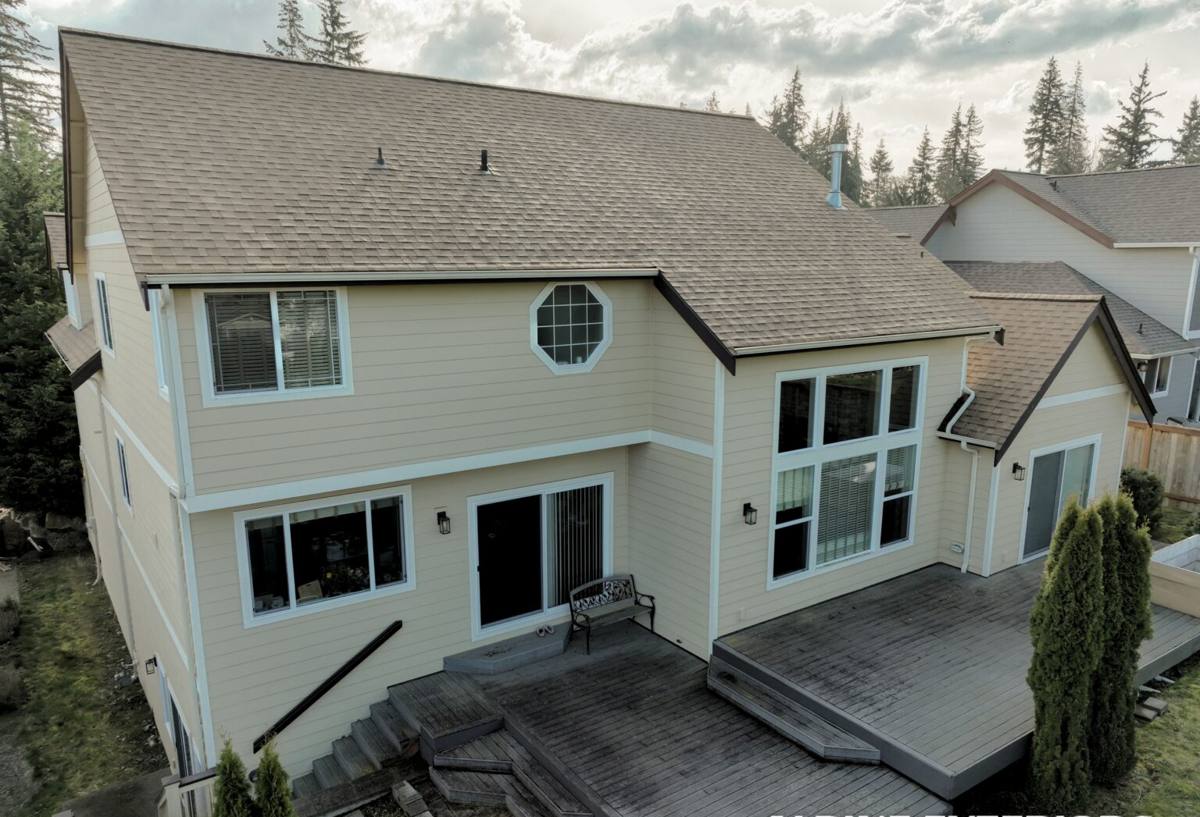
What Historic Kenwood's Climate Actually Does to Siding
St. Petersburg sits on a peninsula between Tampa Bay and the Gulf, and Historic Kenwood gets the full package of subtropical exposure even though it's not a waterfront neighborhood:
- Hurricane-force wind: Pinellas County sees tropical storm and hurricane conditions most seasons. Wind doesn't just push against siding — it gets up under loose or improperly fastened panels and pries them off from behind.
- Year-round UV intensity: Florida sun is strong nearly every month, not just in summer. Materials that aren't UV-stable fade, chalk, or become brittle faster here than almost anywhere else in the country.
- Wind-driven rain: Storms in this area rarely fall straight down. Rain gets pushed sideways into wall assemblies, which stresses every seam, joint, and piece of trim on a home's exterior.
- Salt air: Even set back from the water, Historic Kenwood gets salt-laden air moving in off the Bay and Gulf. Salt accelerates corrosion on fasteners and metal trim and speeds up the breakdown of lower-quality siding materials.
Layer these four factors on top of each other and you get a climate that's genuinely hard on exterior materials. A siding job that would hold up fine in a milder region can fail here in a fraction of the time if the product or the installation cuts corners.
Why Older Kenwood Homes Are Especially Sensitive to This
Many homes in this part of St. Petersburg were built well before modern wind-load and moisture-barrier standards existed. That means the wall assembly behind the siding — sheathing, house wrap, flashing — is often older or has been patched over decades of prior work. When we replace siding on a home like this, we're not just swapping the outer skin; we're also the last line of defense checking that what's underneath is sound enough to support new material correctly.
Why We Only Install James Hardie Fiber Cement Here
We don't install vinyl, LP SmartSide, Cemplank, Allura, or primed wood siding. That's a deliberate standard, not a sales pitch, and it matters even more in a coastal wind-and-sun environment like this one.
| Factor | Why It Matters in Historic Kenwood |
|---|---|
| Non-combustible material | Fiber cement doesn't contribute fuel to a fire, which matters on older homes with tight lot spacing and mature trees nearby. |
| Dimensional stability | Hardie panels don't expand, contract, warp, or buckle in Florida's heat-humidity swings the way vinyl and some wood-based products can. |
| UV-stable factory finish | ColorPlus finish is baked on and engineered to resist fading under sustained Florida sun far longer than field-applied paint. |
| Wind performance | Correctly fastened Hardie panels have a strong track record in high-wind testing, which is directly relevant given hurricane exposure here. |
| Moisture behavior | Fiber cement doesn't rot, and it holds paint and caulk joints better over time than wood-based composites exposed to repeated wetting. |
We're not saying every alternative product is unusable everywhere — we're saying that for the specific combination of wind, UV, rain, and salt air that Historic Kenwood homes face, Hardie is the material we're willing to stand behind with our own installation work and warranty support.
What a Correct Installation Involves
Siding installation quality is determined far more by what happens underneath the visible surface than by the panel itself. On a Historic Kenwood project, our process typically includes:
1. Tear-Off and Substrate Inspection
We remove the existing siding down to the sheathing and inspect for rot, insect damage, or moisture staining — common finds on older homes where a prior layer of siding may have trapped water against the wall for years. Any compromised sheathing gets replaced before anything new goes up; installing over a bad substrate just hides the problem.
2. Weather Resistive Barrier
A properly lapped and sealed house wrap goes over the sheathing. This is the layer that actually stops wind-driven rain from reaching the wall cavity if water ever gets past the siding itself — and given how often Pinellas County storms push rain sideways, this step isn't optional.
3. Flashing at Every Penetration
Windows, doors, hose bibs, vents, and any other wall penetration get properly flashed. These are the spots where water intrusion actually happens on most homes, far more often than through the field of the siding itself.
4. Fastening to Manufacturer and Wind-Zone Spec
Fastener type, spacing, and placement all need to match James Hardie's published installation instructions for our wind zone. This is the single most common place we see prior installations fail — under-fastened or improperly placed nails that hold fine until the first real wind event.
5. Trim, Joints, and Caulking
Every seam and joint gets treated correctly for the coastal environment, using compatible sealants and correctly lapped trim so water sheds outward instead of collecting at a seam.
6. Final Inspection and Cleanup
We walk the finished job checking fastener lines, joint alignment, and clearances (grade, roofline, decking) before calling it complete.
Working Around Historic Kenwood's Character
Because many homes here have distinct architectural detailing — trim profiles, porch columns, window surrounds — we pay attention to matching board widths, exposure, and trim details to the home's existing style rather than defaulting to a generic modern look. James Hardie's product lines give us enough range in plank width, texture, and trim profile to do this without sacrificing the performance benefits of fiber cement.
Mature Trees and Job-Site Considerations
Kenwood's tree canopy is part of the neighborhood's character, but it also means job sites often have less staging room, more debris to manage, and occasionally limbs or roots that affect how a crew stages material and scaffolding. We account for this in scheduling and site setup rather than treating every property like a clear open lot.
What Homeowners Should Check Before Hiring Anyone for This
Siding installation quality varies enormously between crews, even when the material itself is identical. Before hiring anyone for a Historic Kenwood siding project, ask about:
- Whether they are a certified or trained James Hardie installer, not just someone who has ordered the product before
- How they handle sheathing repair if rot or damage is found during tear-off
- What fastening schedule they use and whether it's documented to meet local wind requirements
- How they flash windows, doors, and other penetrations — ask them to describe it, don't just take "we handle it" as an answer
- What the manufacturer's warranty covers versus what their own workmanship warranty covers
- Whether they have done work on homes of a similar age and construction type in this area
A crew that already works in St. Petersburg's older neighborhoods will have already run into the substrate surprises, drainage quirks, and detailing challenges that come with houses this age — and won't be learning on your project.
Maintenance Expectations After Installation
Correctly installed James Hardie siding is low-maintenance, not zero-maintenance. In this climate, a reasonable ongoing routine looks like:
| Task | Frequency |
|---|---|
| Visual inspection of caulk joints and trim | Once or twice a year, especially after hurricane season |
| Gentle rinse to remove salt residue and pollen buildup | A few times per year |
| Check for paint film wear at high-UV exposure walls | Every few years |
| Repaint (if ever needed) using compatible products | Well beyond what most vinyl or wood products require |
ColorPlus factory-finished Hardie siding is engineered to go a long time before it needs repainting at all, which is a meaningful difference from field-painted wood siding in a UV environment this intense.
Why Local Installation Experience Matters
Anyone can order James Hardie panels. What separates a good result from a problem job is whether the installer understands Pinellas County wind requirements, has actually dealt with the substrate conditions common to homes of Historic Kenwood's era, and installs to the manufacturer's spec rather than a shortcut version of it. We've built our process around exactly that combination — one product, installed correctly, in the climate it has to survive.
If you're weighing a siding project for a Historic Kenwood home, we're glad to walk the property, look at what's actually going on with your current siding and substrate, and give you a straight answer on what it would take to do the job right. Reach out for a free, no-pressure estimate.