 St. Petersburg Siding
 Why Roofs Wear Out Faster in Childs Park
Childs Park sits inland enough that most homeowners don't think of themselves as "coastal," but the roof over their heads doesn't get that break. St. Petersburg's climate treats every roof in Pinellas County the same way: relentless UV exposure nearly twelve months a year, sudden wind-driven downpours in summer, tropical systems that can bring sustained hurricane-force gusts, and a steady dose of salt-laden air drifting in off Tampa Bay and the Gulf. None of these forces are dramatic on any single day, but stacked year after year they age asphalt, corrode fasteners, and loosen flashing well before a roof's rated lifespan is up.
Childs Park's housing stock is a mix of established single-family homes, many built decades ago and re-roofed at least once since. That means a lot of roofs in the neighborhood are approaching or past the point where patching stops making financial sense. When a roof is original or from an earlier reroof cycle, a full new roof installation is usually the more honest recommendation than another round of repairs.
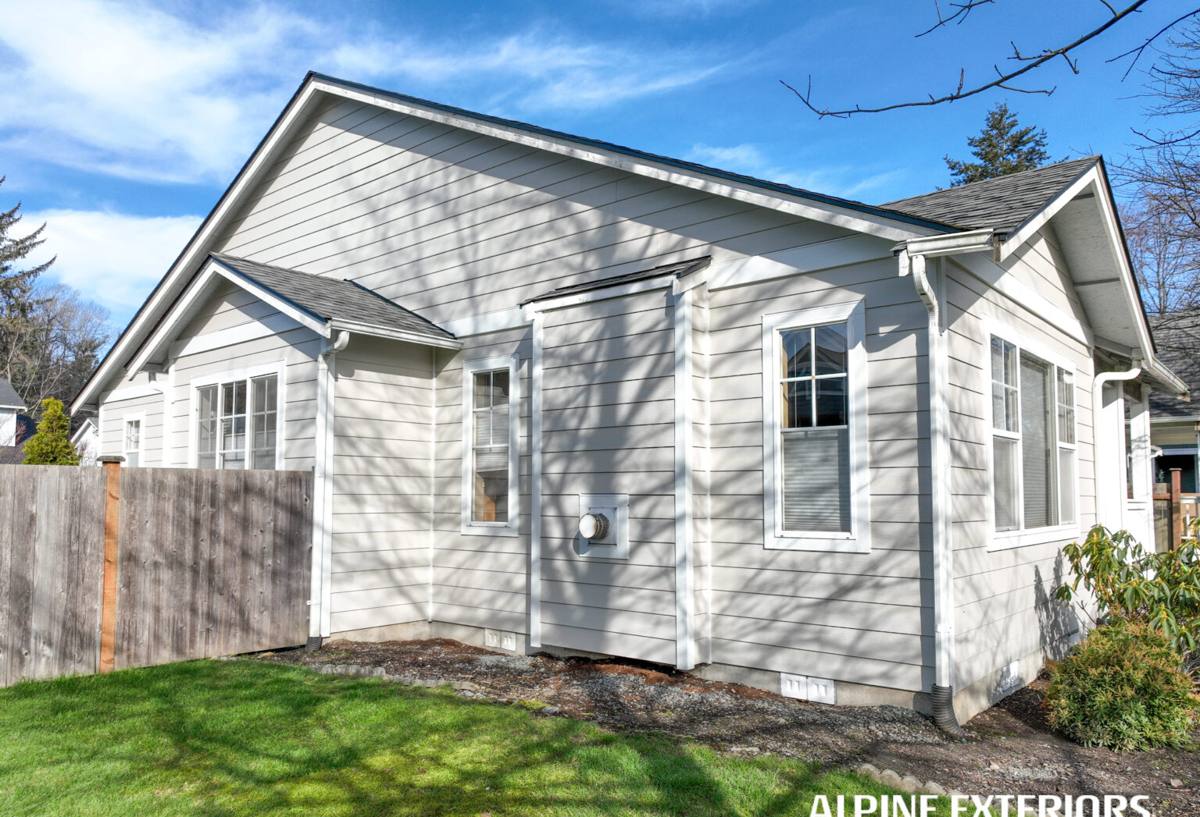
Signs a Childs Park Home Needs a New Roof, Not Another Repair
Homeowners often call us for a leak repair and end up needing a full replacement once we're actually on the roof. Here's what tends to separate a repairable issue from a roof that's done:
- Shingles that are curling, cupping, or losing granules in patches across multiple slopes, not just one isolated spot
- More than one active leak, or a leak that keeps reappearing in a different spot after being patched
- Visible sagging in the roof deck, which usually means water has already reached the wood
- Flashing around chimneys, vents, or walls that's rusted, lifted, or was never properly step-flashed to begin with
- A roof older than 18-20 years for asphalt shingle in this climate — even with no visible damage, the underlayment underneath has likely dried out and cracked
- Missing or blown-off shingles after a storm, especially if the felt or decking underneath is now exposed
If only one or two of these apply and the roof is otherwise young, a repair can be the right call. When several apply at once, spending money on a patch usually just delays the inevitable and adds cost.
What a Correct New Roof Installation Actually Involves
A new roof is more than stripping old shingles and nailing down new ones. In a climate that throws wind, heat, and water at a roof simultaneously, the details underneath the shingles matter as much as the shingles themselves.
Deck Inspection and Repair
Once the old roofing is off, every sheet of decking gets inspected. Soft, delaminated, or water-stained plywood or OSB gets replaced before anything new goes down. Installing new shingles over a weak deck is a shortcut that fails the homeowner later, and it's one of the most common corners cut by crews trying to finish a job in a day.
Underlayment and Water Barrier
Florida Building Code requires a secondary water barrier in this region, and for good reason — wind-driven rain during a tropical system doesn't fall straight down, it gets pushed sideways and up under shingle tabs. A properly installed synthetic or self-adhering underlayment is what keeps that water out of the living space even if a few shingles are compromised in a storm.
Flashing at Every Penetration
Chimneys, plumbing vents, skylights, and roof-to-wall junctions are where most leaks actually start, not in the open field of shingles. Correct step flashing, counter-flashing, and pipe boots — sized and installed to spec, not just caulked over — are what separate a roof that lasts from one that leaks within a couple of years.
Attic Ventilation
Pinellas County heat bakes an attic all day. Without balanced intake and exhaust ventilation, that heat gets trapped, shortens the life of the shingles from underneath, and can drive up cooling costs. A new roof installation is the right time to correct undersized or blocked ventilation, since the roof deck is already exposed.
Choosing a Roofing Material for a Childs Park Home
Most homes in this part of St. Petersburg are re-roofed in architectural asphalt shingle, but metal and tile both come up in conversations, especially with homeowners thinking long-term or trying to lower insurance premiums. Here's how they actually compare for this climate:
| Material | Typical Lifespan Here | Wind Performance | Upfront Cost | Maintenance |
|---|---|---|---|---|
| Architectural asphalt shingle | 18-25 years | Good with proper nailing and rated shingle class | Lowest | Periodic inspection, especially after storms |
| Standing seam metal | 40-50+ years | Excellent when properly fastened | Highest | Low; occasional fastener/seam check |
| Concrete or clay tile | 40-50+ years | Very good, but individual tiles can crack from impact | High | Underlayment beneath tile still ages and needs eventual replacement |
There's no universally "right" answer — it comes down to budget, how long the homeowner plans to stay in the home, and whether they're chasing a wind-mitigation insurance discount. We'll walk through the honest trade-offs for the specific house rather than push whichever material has the best margin.
Permits, Wind Mitigation, and Florida Building Code
Every new roof installation in St. Petersburg requires a permit through the City of St. Petersburg or Pinellas County, depending on the property, along with mid-job and final inspections. This isn't paperwork for its own sake — it confirms the nailing pattern, underlayment, and flashing actually meet the wind-load requirements this region's code is built around.
A new roof is also the point where it makes sense to get (or update) a wind mitigation inspection. Insurers in Florida offer real premium credits for verified features like a properly strapped roof-to-wall connection, a secondary water barrier, and impact-rated or FBC-compliant roof coverings. Homeowners in Childs Park who haven't had this done in years are often paying more in premiums than they need to simply because their insurer doesn't know the roof was upgraded.
Our Process for a Childs Park Re-Roof
- On-site inspection. We get on the roof (or use a drone for steep or fragile sections) and check the deck, flashing, ventilation, and any interior signs of past leaks before quoting anything.
- Written estimate. A clear scope of work and price — what's being torn off, what's going back on, and what the material and labor breakdown looks like.
- Permitting. We pull the permit with the city or county before work starts, so the job is inspected and documented properly.
- Tear-off and deck repair. Old roofing comes off down to the deck, and any compromised sheathing is replaced.
- Underlayment, flashing, and roofing installation. Installed to the manufacturer's specifications and the wind-rating the job calls for.
- Cleanup. Magnetic sweep for nails, full debris haul-off, yard and driveway left clean.
- Final inspection and paperwork. City/county sign-off, plus documentation for warranty and, if applicable, a wind mitigation form for the insurer.
What to Expect During the Job
- Most single-family roofs in this size range take 1-3 days once tear-off begins, weather permitting
- Expect noise and vibration inside the house during tear-off and nailing
- Vehicles should be moved away from the immediate work area for falling debris and the material delivery
- Pets are best kept indoors or off-site during active work
- A dumpster or trailer will typically be staged in the driveway for the duration of the job
Why Hiring a Crew That Already Works in Childs Park Matters
A roofing crew that regularly works in this part of St. Petersburg already knows the permitting process with the city and Pinellas County, knows which manufacturers stock wind-rated products locally so a job doesn't stall waiting on materials, and has a realistic sense of how older Childs Park homes are typically framed and decked. That familiarity shows up in fewer surprises once tear-off starts — and in a faster response if a storm rolls through and a tarp needs to go up before a full repair can be scheduled.
It also means accountability. A contractor who plans to keep working in this neighborhood for years has every reason to do the flashing and ventilation right the first time, rather than move on to the next zip code and let someone else deal with a callback.
Get a Straight Answer About Your Roof
If your Childs Park home's roof is showing its age, missing shingles after a storm, or you're just trying to plan ahead before it becomes an emergency, we'll come take an honest look. There's no pressure and no charge for the estimate — just a clear picture of what your roof needs and what a proper new installation would involve. Fill out the form below to get started.