 St. Petersburg Siding
 Siding Replacement Built for a Barrier Island, Not a Suburb
St. Pete Beach sits in a different exposure category than most of the Tampa Bay region. Homes here face salt-laden air coming off the Gulf almost every day of the year, on top of the wind-driven rain and hurricane-force gusts that hit all of Pinellas County during storm season. A siding replacement out here has to survive conditions that a house even a few miles inland never sees. If your siding is chalking, cracking, bubbling, or showing soft spots, it isn't just a cosmetic issue — it's a sign the material has reached the end of what it can handle in this environment, and patch repairs are usually a short-term delay, not a fix.
This page covers what siding replacement actually involves for a St. Pete Beach home: what the salt air and coastal wind do to different materials over time, what a correct installation looks like, and how our process works from first look to final walkthrough.
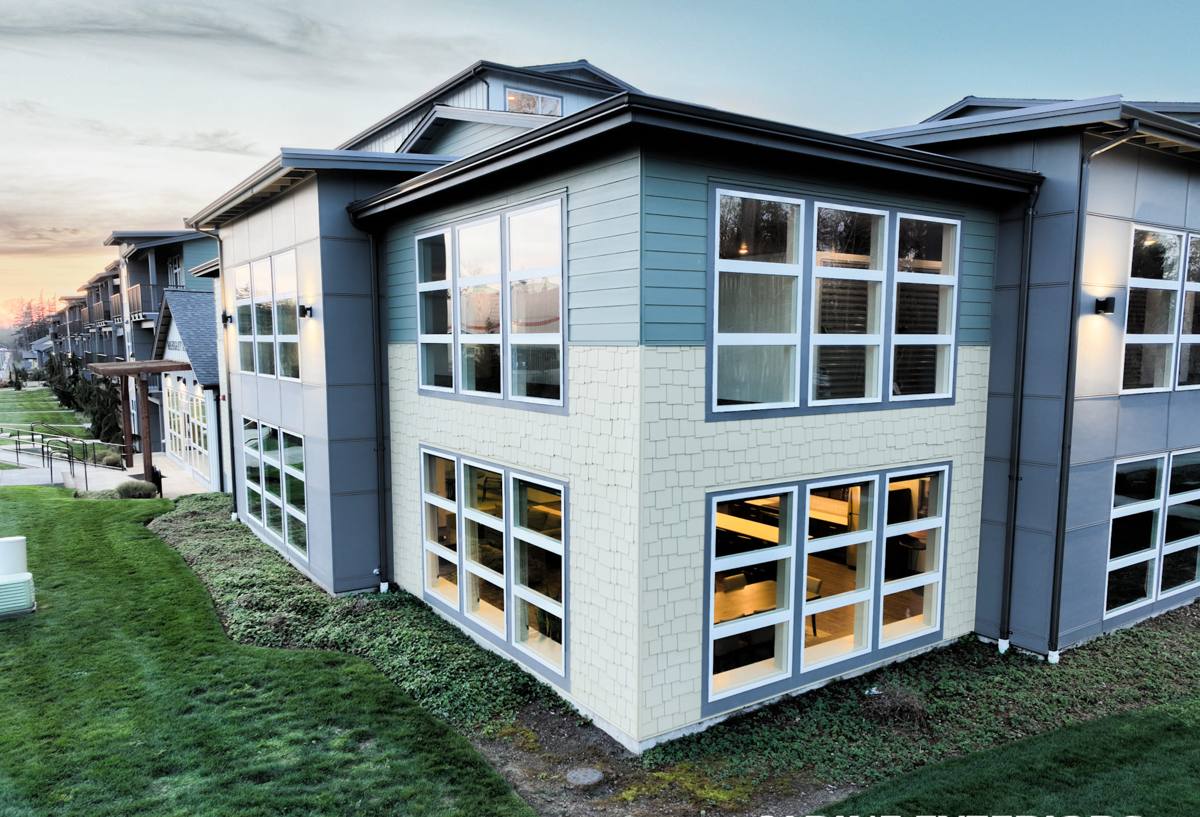
What Salt Air and Coastal Exposure Do to Siding Over Time
Airborne salt is corrosive and hygroscopic — it pulls moisture out of the air and holds it against whatever surface it lands on. On a barrier island like St. Pete Beach, that means siding, fasteners, and trim are dealing with near-constant low-grade moisture exposure even on sunny days, not just during rain events.
The main stress factors
- Salt deposition — a fine film builds up on exterior surfaces and accelerates corrosion of fasteners, flashing, and any exposed metal trim
- Wind-driven rain — storms here rarely fall straight down; wind pushes rain sideways into seams, laps, and penetrations that a calm-weather install might get away with cutting corners on
- Year-round UV — Florida's sun load is higher and more consistent than most of the country, which breaks down paint film, caulk, and unprotected substrates faster
- Hurricane-force wind loads — siding needs fastening and edge detailing rated for real gusts, not just cosmetic attachment
- Humidity cycling — constant swings between wet and dry stress any material that isn't dimensionally stable
Any one of these is manageable. All five, applied continuously to a coastal-facing house, is what separates a St. Pete Beach siding job from a job done twenty minutes inland.
Why We Only Install James Hardie Fiber Cement Here
We don't install vinyl, LP SmartSide, primed wood, cedar, or other fiber cement brands. That's a standard we apply everywhere we work, but it matters more on the beach than almost anywhere else in our service area.
The trade-offs we're avoiding
Vinyl siding softens and can deform in sustained high heat and gets brittle with age; in hurricane winds it's also more prone to being torn off at the panel edges than a properly fastened fiber cement system. Wood and wood-based siding products are organic material in an environment that stays damp against the wall more often than not — that's a recipe for rot and repeated maintenance, no matter how well it's initially sealed. Both also require an ongoing paint or coating commitment that's harder to keep up with in a climate this hard on exterior finishes.
James Hardie fiber cement is non-combustible, dimensionally stable in humidity swings, and doesn't feed the same rot cycle wood does. Its ColorPlus factory finish is baked on under controlled conditions and is engineered to hold color and resist fading better than field-applied paint, which matters under Florida's UV load. Hardie also builds a dedicated HZ5 product line specifically engineered for high-humidity, hurricane-prone climates like ours — it isn't a generic product pressed into service here, it's built for exactly this exposure. That combination of substrate durability, factory finish, and climate-specific engineering is why it's the only material we put on homes.
What a Correct Siding Replacement Involves
The material is only part of the equation. A siding job that fails early in a coastal environment almost always fails because of installation shortcuts, not because the product itself was wrong.
Tear-off and inspection
We remove the old siding down to the sheathing and inspect for hidden water damage, soft wood, or compromised framing. On older St. Pete Beach homes this step regularly turns up moisture issues that weren't visible from outside — finding them now, before new siding goes on, is the only chance to address them properly.
Weather-resistive barrier and flashing
A correctly lapped weather-resistive barrier, properly integrated flashing around windows, doors, and penetrations, and sealed seams are what actually keep wind-driven rain out of the wall assembly. This layer does more real-world work than the siding itself, and it's the layer most likely to get rushed on a lower-bid job.
Fastening for wind load
Fastener type, spacing, and embedment need to match the wind exposure category for this location, following James Hardie's published installation instructions. Corrosion-resistant fasteners aren't optional on a barrier island — standard fasteners will corrode faster here and compromise the whole installation over time.
Trim, caulking, and finish details
Butt joints, corners, and penetrations need to be sealed with a caulk rated for exterior, high-UV use, and gaps need to be sized correctly for the material's expansion and contraction. Sloppy caulking is one of the most common places we find early failures on inspections of other contractors' work.
Signs Your St. Pete Beach Home Needs Siding Replacement
| What You See | What It Usually Means |
|---|---|
| Chalky residue that rubs off on your hand | Surface coating has broken down under UV exposure; substrate underneath may still be sound but is now unprotected |
| Soft spots or visible warping | Moisture has penetrated the material or the wall assembly behind it |
| Cracking or splitting at seams | Material fatigue from humidity cycling and wind flex, especially common on older non-Hardie products |
| Persistent mildew or discoloration | Moisture is being trapped rather than shedding, often a sign of failed flashing or caulking |
| Rising energy bills with no other cause | Compromised siding and underlayment can be letting outside air and humidity into the wall cavity |
| Visible fastener corrosion or staining streaks | Fasteners are failing under salt exposure and may no longer be holding panels securely |
Our Process for a St. Pete Beach Siding Replacement
1. On-site assessment
We walk the exterior with you, check for the wear patterns typical of coastal exposure, and look at what's happening behind the current siding wherever we can access it.
2. Product and color selection
We help you choose the right James Hardie product line and ColorPlus finish for your home, factoring in HOA or neighborhood guidelines where they apply.
3. Written scope and timeline
You get a clear scope of work covering tear-off, barrier and flashing details, fastening plan, and finish work, with a realistic timeline that accounts for Florida's storm-season weather windows.
4. Installation to manufacturer spec
Every step follows James Hardie's published installation requirements for this climate zone — not a generalized approach borrowed from drier, calmer regions of the country.
5. Final walkthrough
We inspect the completed work with you before considering the job done, and go over basic care so the siding performs the way it's designed to for years to come.
What to Check Before Hiring Anyone for Coastal Siding Work
- Do they regularly work on barrier island or immediate coastal properties, or is this an unfamiliar exposure for them?
- Can they explain their fastener and flashing approach specifically for salt-air and wind-driven-rain conditions?
- Are they a certified or experienced installer of the specific fiber cement product line they're proposing?
- Do they provide a written scope that details the weather-resistive barrier and flashing plan, not just "install siding"?
- Are they licensed and insured to work in Pinellas County, and can they provide proof on request?
- Do they stand behind the installation itself, separate from the manufacturer's material warranty?
Maintaining Your Siding After Replacement
James Hardie siding is low-maintenance, not no-maintenance, especially in a salt-air environment. A periodic rinse to remove salt film and airborne debris, prompt attention to any caulking that starts to separate, and keeping an eye on areas around windows, doors, and roof lines will help your new siding perform for its full expected life. None of this requires the repainting cycle that wood siding demands, but a little attention goes a long way on the coast.
If your St. Pete Beach home's siding is showing its age or you're planning ahead of the next storm season, we're happy to take a look and walk you through your options. Reach out for a free, no-pressure estimate using the form below.