 St. Petersburg Siding
 Seminole's Climate Is Harder on Siding Than Most Homeowners Realize
Seminole sits inland from the Gulf but still close enough to catch salt-laden air, and it shares every climate stressor that makes Pinellas County one of the toughest places in Florida to keep exterior siding looking good and performing well. Between Tampa Bay to the east and the Intracoastal to the west, the neighborhood gets a steady flow of humid, salty air even on days when there's no rain in the forecast. Add in the summer thunderstorm pattern that drives rain sideways into walls, months of intense UV exposure, and the real possibility of hurricane-force wind during storm season, and you have a combination that exposes weak siding materials and sloppy installations within a handful of years instead of decades.
Homes in Seminole also tend to be a mix of older concrete block construction with wood-frame additions, newer wood-frame builds, and post-storm remodels — which means the siding on any given house may be covering several different wall assemblies, each with its own moisture and fastening requirements. A one-size-fits-all install doesn't hold up here. What holds up is a product engineered for this exact climate, installed by a crew that treats moisture management and wind resistance as the whole job, not an afterthought.
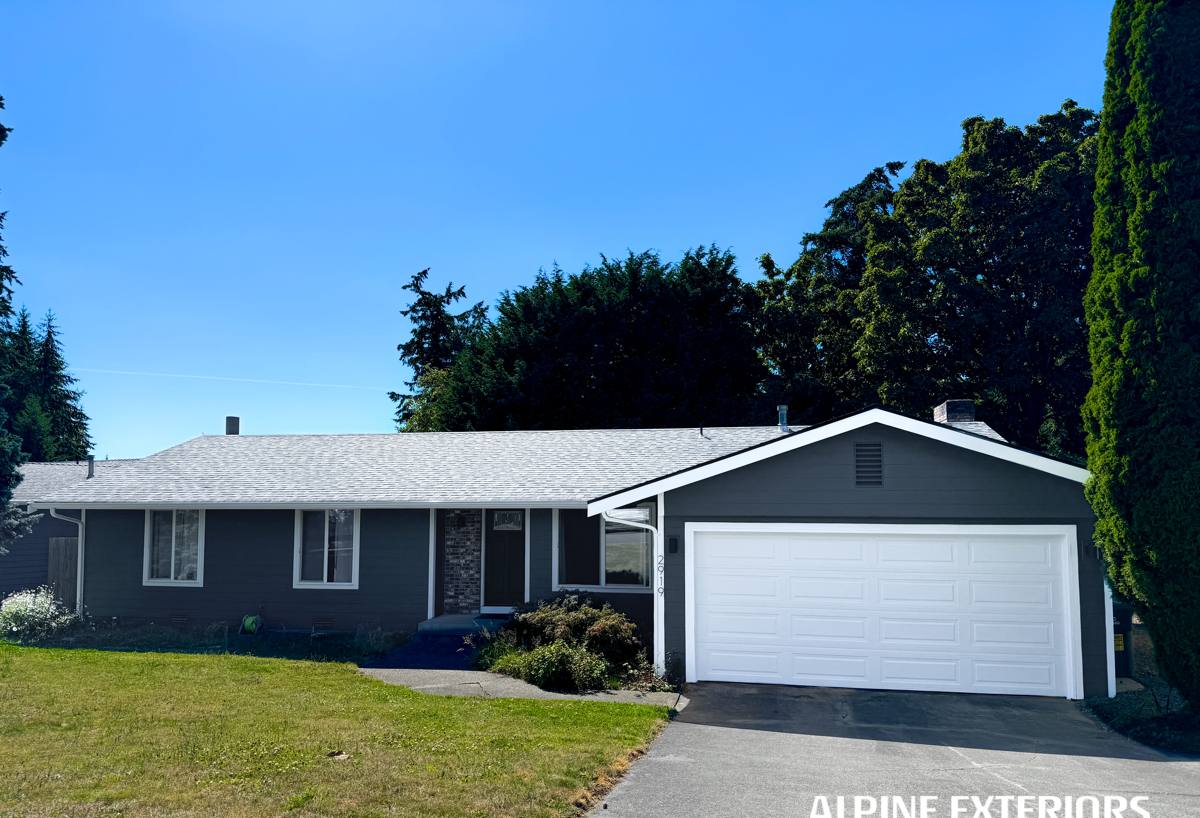
Why James Hardie Is the Product We Install — Full Stop
We install James Hardie fiber cement siding exclusively. We don't install vinyl, LP SmartSide, Cemplank, Allura, or unprimed wood siding, and that's a deliberate standard, not a lack of options. Fiber cement resists the two things that destroy siding fastest in this part of Florida: sustained moisture exposure and UV breakdown. It's non-combustible, it doesn't warp or buckle in heat the way vinyl can, and it doesn't rely on paint alone to survive the sun the way wood does.
James Hardie makes a version of its siding — the HZ5 product line — specifically engineered for high-humidity, hurricane-exposed climates like ours, with enhanced moisture resistance built into the substrate itself. That's the line we spec for Seminole and the rest of the St. Petersburg area. Combined with the ColorPlus factory-applied finish, which is baked on and warranted separately from the substrate, homeowners get color that resists UV fade far longer than field-applied paint on wood or the color-through pigment used in vinyl.
What ColorPlus Actually Buys You Here
In a market with this much sun exposure, a finish that's factory-cured under controlled conditions holds its color and its bond to the substrate far better than anything sprayed or brushed on-site. That matters twice as much on south- and west-facing walls, which take the harshest UV angle through a Florida summer.
What a Correct Installation Looks Like on a Seminole Home
Fiber cement siding is only as good as the assembly behind it. A huge share of the "siding problems" we get called out to inspect on older installs — swelling at seams, staining, soft spots at the bottom courses — trace back to installation shortcuts, not the material itself. On a proper job, several things happen in a specific order:
- A code-compliant weather-resistant barrier goes over the sheathing, lapped correctly from the bottom up so water sheds outward, not into the wall.
- Flashing is installed at every window, door, and roof-to-wall intersection — the points where wind-driven rain finds its way in first.
- Panels and planks are fastened per James Hardie's published fastening schedule for our wind zone, not "close enough" spacing.
- Butt joints are staggered and either flashed or caulked with a manufacturer-approved sealant rated for movement and UV exposure.
- Clearance is kept between the bottom edge of the siding and the ground, roofline, and any hardscape — Hardie specifies minimum gaps precisely because standing moisture at the bottom edge is where premature failure starts.
- Fastener heads are set flush, not overdriven, since overdriving cracks the board's edge and creates a moisture entry point that isn't visible until it's already a problem.
None of this is exotic. It's just detail work that takes longer to do right, and it's exactly where cut corners hide until the first major storm season or the first few years of salt air exposure expose them.
Wind and Storm Performance: What Seminole Homeowners Should Ask About
Because Pinellas County sits in an area rated for significant design wind speeds, fastening schedule and edge clearance aren't cosmetic choices — they're what determines whether siding stays attached during a tropical storm or hurricane. James Hardie's HZ5 line is tested and rated for high-wind zones, but the rating only holds if the installation follows the fastening pattern the rating was tested with. A crew that under-fastens to save time, or that skips the corner and edge reinforcement details, is quietly voiding the wind performance the product is capable of — even if the siding looks identical from the curb.
This is one of the biggest reasons we push back on siding installed by out-of-area crews or general contractors who install siding as a side service. A crew that regularly works wind-exposed Pinellas County jobs knows the fastening schedule for our zone without having to look it up mid-install.
Salt Air and Corrosion: The Overlooked Detail
Seminole isn't beachfront, but it's close enough to Boca Ciega Bay and the Gulf that airborne salt reaches homes here regularly, especially on windy days. Salt accelerates corrosion in anything metal on the exterior — flashing, fasteners, trim accessories. Part of a correct Hardie install in this area is specifying corrosion-resistant fasteners and flashing rated for coastal exposure, not the cheapest fastener that happens to fit the nail gun. It's a small cost difference at install time and a major difference in how the wall assembly holds up over ten or twenty years.
Our Process for a Seminole James Hardie Install
1. On-Site Assessment
We walk the exterior, check the condition of the existing wall assembly, note problem areas (old moisture staining, prior patch jobs, soft sheathing), and measure for material takeoff. This is also when we talk through trim style, reveal, and color options against how the home sits relative to sun exposure.
2. Tear-Off and Substrate Check
Old siding comes off down to the sheathing so we can actually see what we're building on. Any soft or water-damaged sheathing gets addressed before a single new panel goes up — covering a compromised substrate with new siding just hides the problem for a few more years.
3. Weather Barrier and Flashing
New house wrap or equivalent barrier, plus flashing at every penetration and transition, installed to shed water outward at every layer.
4. Hardie Panel or Plank Installation
Installed to James Hardie's fastening schedule for our wind zone, with proper clearances, staggered joints, and corrosion-resistant hardware throughout.
5. Trim, Caulking, and Final Inspection
Trim work finished, joints sealed with manufacturer-approved sealant, and a final walk-through so the homeowner can see the completed work and ask questions before we call the job done.
Cost Factors on a Seminole Hardie Project
Every home is different, but the line items that actually move the price on a fiber cement job are consistent. Here's what tends to matter most:
| Factor | Why It Affects Cost |
|---|---|
| Tear-off scope | Full removal of old siding and any sheathing repair adds labor and material beyond the new siding itself. |
| Siding profile | Lap siding, panel systems, and shingle-style Hardie products differ in material and labor cost per square foot. |
| Wall complexity | Homes with more corners, gables, dormers, and window/door openings take longer to flash and trim correctly. |
| Trim and accessory package | Corner boards, frieze boards, and trim style affect both material cost and finished appearance. |
| Color | Factory ColorPlus finishes vary by color selection; some premium colors carry a modest upcharge. |
| Story height and access | Second-story and hard-to-access walls require more equipment and labor time. |
Be cautious of any quote that's dramatically below others in the same scope — in this climate, the difference is almost always in the barrier, flashing, and fastening detail you can't see once the job is finished.
Maintenance: What Seminole Homeowners Actually Need to Do
One of the practical advantages of fiber cement over wood or vinyl in this climate is how little upkeep it demands when installed correctly. That said, "low maintenance" isn't "no maintenance." A short annual routine keeps siding performing for its full service life:
- Rinse siding periodically to remove salt residue and airborne grime, especially on walls facing prevailing wind.
- Inspect caulking at joints and trim once a year and re-seal any cracked or separated sections before rainy season.
- Walk the base of the exterior after major storms to check for debris buildup against the bottom edge of the siding.
- Keep irrigation heads and sprinklers aimed away from the siding — constant sprinkler wetting at the base is a common cause of premature wear we see on inspections.
- Trim back landscaping that holds moisture against the wall or blocks airflow along the siding surface.
Why Hiring a Crew That Already Works Seminole Matters
A siding installer who works this specific part of Pinellas County regularly already knows the wind zone requirements, has relationships with local permitting offices, and has seen firsthand how different wall assemblies in the area hold up over time. That local track record shows up in decisions a homeowner never sees directly — which fastener to spec, how tight to run the flashing details, where the salt exposure is worse than the map suggests. It's the difference between a crew installing to a general national standard and a crew installing to what actually survives a Seminole summer and storm season.
James Hardie siding is a strong long-term investment for a home in this climate, but the product only delivers on that promise when the installation matches the engineering behind it. That's the standard we hold every Seminole project to.
If you're weighing a siding replacement or repair in Seminole, we're happy to walk your home, look at what's there now, and give you a straightforward, no-pressure estimate for a James Hardie install built for this climate.