 St. Petersburg Siding
 Siding Installation in Crescent Lake: A Neighborhood With Real Climate Exposure
Crescent Lake sits close enough to Tampa Bay and the Gulf that salt-laden air, heavy summer humidity, and hurricane-season wind and rain all reach it on a regular basis. Add in Florida's relentless year-round UV load, and the exterior of a home here is under more stress than most siding products were ever designed to handle. A siding installation in this neighborhood isn't just a cosmetic upgrade — it's the single biggest factor in how well a house holds up between now and the next major storm.
Many of the homes in and around Crescent Lake are older, with mature tree canopy shading portions of the exterior and creating the kind of humid, slow-to-dry microclimate that punishes the wrong siding material. Whatever goes on the walls needs to handle sun, salt, wind, and moisture at the same time, year after year, without constant upkeep.
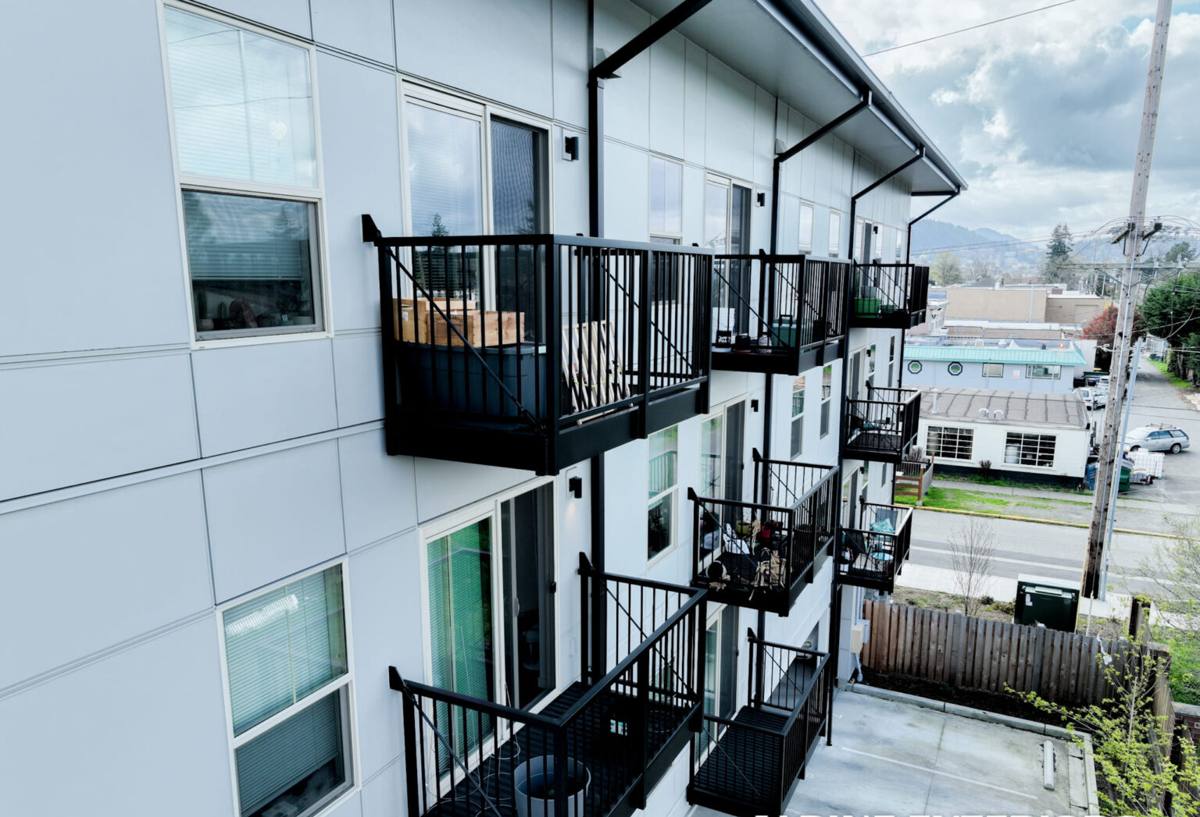
What Pinellas County's Climate Does to Siding Over Time
It helps to be specific about the forces at work, because they don't act the same way or on the same timeline:
- Hurricane-force wind: Wind doesn't just push on siding — it gets under loose edges and pries panels off. Fastening pattern and product rigidity matter more here than in most parts of the country.
- Wind-driven rain: During tropical storms, rain doesn't fall straight down — it's driven sideways into every seam, joint, and corner. Siding that isn't detailed correctly at these transitions lets water behind the cladding, where it does the real damage.
- Year-round UV: Florida sun fades and degrades painted and coated surfaces faster than almost anywhere else in the continental U.S. A finish that isn't engineered for this exposure chalks, fades, or breaks down well ahead of its rated life.
- Salt air: Even a few miles inland from Tampa Bay, airborne salt accelerates corrosion of fasteners and trim, and it interacts badly with certain siding substrates over time.
None of these forces are unique to Crescent Lake, but the combination — coastal exposure, mature tree cover, older housing stock, and hurricane risk — is exactly the profile that separates a siding job that lasts fifteen years from one that lasts forty.
Why a Generic Siding Job Falls Short Here
A lot of siding problems we get called out to inspect aren't failures of the product itself — they're failures of installation detail. Panels nailed with the wrong fastener spacing. Butt joints left uncaulked where the manufacturer specifies flashing instead. Starter strips installed without the right clearance off grade. In a mild climate, sloppy detailing might go unnoticed for years. In a wind-and-salt environment like St. Petersburg, those same shortcuts show up as buckled panels, water staining, or rot within a few storm seasons.
Correct installation isn't a luxury add-on — it's the difference between siding that performs the way it's rated to and siding that becomes a recurring repair bill.
What Correct Siding Installation Actually Involves
Substrate and Moisture Management
Before a single piece of siding goes up, the wall needs a continuous, properly lapped water-resistive barrier and correctly flashed openings around windows, doors, and penetrations. This is the layer that actually keeps wind-driven rain out of the wall assembly — the siding itself is the second line of defense, not the first.
Fastening and Clearances
Fastener type, spacing, and embedment depth all have to match the manufacturer's specification for the product line and the local wind zone. Clearance off the roofline, grade, and adjoining surfaces has to be maintained so water can shed and the material isn't sitting in standing moisture.
Joint Treatment
Every butt joint, corner, and trim transition is a place water can get behind the cladding if it's not detailed correctly — some need flashing, some need factory-finished trim, and some should never be caulked at all. Getting this wrong is one of the most common causes of hidden moisture damage.
Finish Integrity
In a market with this much UV and salt exposure, a factory-applied, baked-on finish holds up dramatically better over time than a field-applied paint job, which is one of the reasons product selection matters as much as workmanship.
Material Comparison for a Coastal Pinellas County Climate
| Factor | Vinyl Siding | Wood-Based Composite (e.g. LP SmartSide) | James Hardie Fiber Cement |
|---|---|---|---|
| Wind performance | Can deform, crack, or blow off in high wind if not rated and installed precisely | Rigid, but panel/fastener sensitivity matters | Engineered and rated for high-wind installation when installed to spec |
| Moisture/humidity behavior | Doesn't rot, but traps moisture behind it if ventilation is poor | Wood-fiber core is vulnerable to swelling and rot if edges aren't sealed and maintained | Cement-based composition doesn't swell, rot, or support fungal growth |
| Salt air resistance | Generally stable, but fasteners and trim can corrode | Moisture-sensitive core is a poor match for salt-humid air | Non-organic material holds up well; fastener selection still matters |
| UV/finish durability | Color is through-body but can chalk and fade | Depends heavily on field-applied paint maintenance | Factory-baked ColorPlus finish engineered for UV exposure |
| Fire performance | Combustible | Combustible (wood-fiber based) | Non-combustible |
| Typical maintenance | Low, but limited repair options once damaged | Requires diligent sealing/repainting to avoid moisture intrusion | Low; periodic caulk and trim checks |
Our Installation Process for Crescent Lake Homes
- On-site assessment: We look at the existing substrate, moisture history, tree cover, and exposure on each elevation — the north wall of a shaded Crescent Lake lot and the west wall taking full afternoon sun don't need identical treatment.
- Tear-off and substrate inspection: Old siding comes off so we can check sheathing for hidden rot or prior water intrusion before anything new goes on.
- Water-resistive barrier and flashing: Installed continuously, with special attention to window and door openings, which are the most common failure points in wind-driven rain.
- Hardie installation to manufacturer spec: Correct fastener pattern, clearances, and joint treatment for the specific HZ product line matched to this climate zone.
- Trim, caulk, and final detailing: Only at the joints where the manufacturer calls for it — not as a blanket fix for imprecise cuts.
- Cleanup and walkthrough: Site cleared of old material and debris, with a final review of the finished work.
Why James Hardie Is the Only Product We Install
We install James Hardie fiber cement siding exclusively — we don't install vinyl, LP SmartSide, Cemplank, Allura, or unfinished wood siding. That's a standard we hold across every job, not a Crescent Lake-specific preference, but it matters especially here.
Vinyl performs fine in mild climates, but its performance ceiling in sustained high wind and intense UV is lower than what this market demands, and repair options are limited once a panel is compromised. Wood-based composite products can look and perform well when maintenance stays perfectly on schedule, but their wood-fiber core is more sensitive to the humidity and moisture cycling that's constant near the bay — a missed sealant touch-up matters more here than it would inland. Hardie's cement-based composition doesn't share that vulnerability, its HZ product lines are engineered specifically for high-humidity, storm-prone regions, and the factory-applied ColorPlus finish is built to hold color under UV loads like Florida's. It's also non-combustible, which matters in a state where lightning-related structure fires aren't rare. We standardized on it because it's the product we're comfortable standing behind on a coastal Florida home, not because it's the easiest one to install.
Why It Matters That We Already Work in Crescent Lake
A siding crew that already works this neighborhood knows the practical details that don't show up in a spec sheet: how St. Petersburg and Pinellas County permitting and wind-load requirements apply to a re-side, how mature tree canopy affects drying time and staging on a job site, and what older Crescent Lake homes tend to have hiding behind their original siding once it comes off. That familiarity shortens the surprises during a job and keeps the installation matched to what this specific climate and this specific housing stock actually need — not a one-size-fits-all approach imported from a different market.
Checklist: What a Correct Siding Installation Should Include
- Permit pulled and installation compliant with local wind-load requirements
- Full tear-off with substrate inspected for existing moisture damage before new material goes on
- Continuous, properly lapped water-resistive barrier with flashed openings
- James Hardie HZ product line matched to this climate zone
- Manufacturer-specified fastener type, spacing, and embedment — not a generalized pattern
- Correct clearances maintained off grade, roofline, and adjoining surfaces
- Joints and trim detailed per manufacturer instructions, not caulked as a catch-all fix
- Factory-finished (ColorPlus) product used rather than field-painted siding
- Site fully cleared of old material and debris at completion
If your Crescent Lake home's siding is showing wear, or you're planning ahead of the next storm season, we're happy to take a look and walk you through what your home actually needs. Reach out for a free, no-pressure estimate — use the form below to get started.