 St. Petersburg Siding
 Windows in Bartlett Park Work Harder Than Windows Inland
Bartlett Park sits close enough to Tampa Bay and the Gulf that its windows deal with a different set of stresses than a house forty miles north. Salt-laden air corrodes hardware and frame components faster here. Afternoon storms push wind-driven rain sideways against the south and west faces of homes for months out of the year. And Florida sun beats down on glass and vinyl nearly every day of the year, breaking down seals and finishes well before their rated lifespan if the product or the installation wasn't right in the first place. None of that means every window fails early — it means the margin for error is smaller. A window that would perform fine for twenty years in a drier, cooler climate can start leaking, fogging, or binding in half that time here if it wasn't installed correctly.
Bartlett Park's housing stock is a mix of older frame and block homes alongside newer infill construction, so we see a wide range of existing window conditions on this side of St. Petersburg — original single-pane wood or aluminum units that have simply reached the end of their service life, replacement windows from the 1990s or 2000s that were never properly flashed, and newer homes where the windows are fine but the owner wants better storm protection or lower energy bills. Whatever the starting point, the installation approach has to account for Pinellas County's climate and building code, not just the product spec sheet.
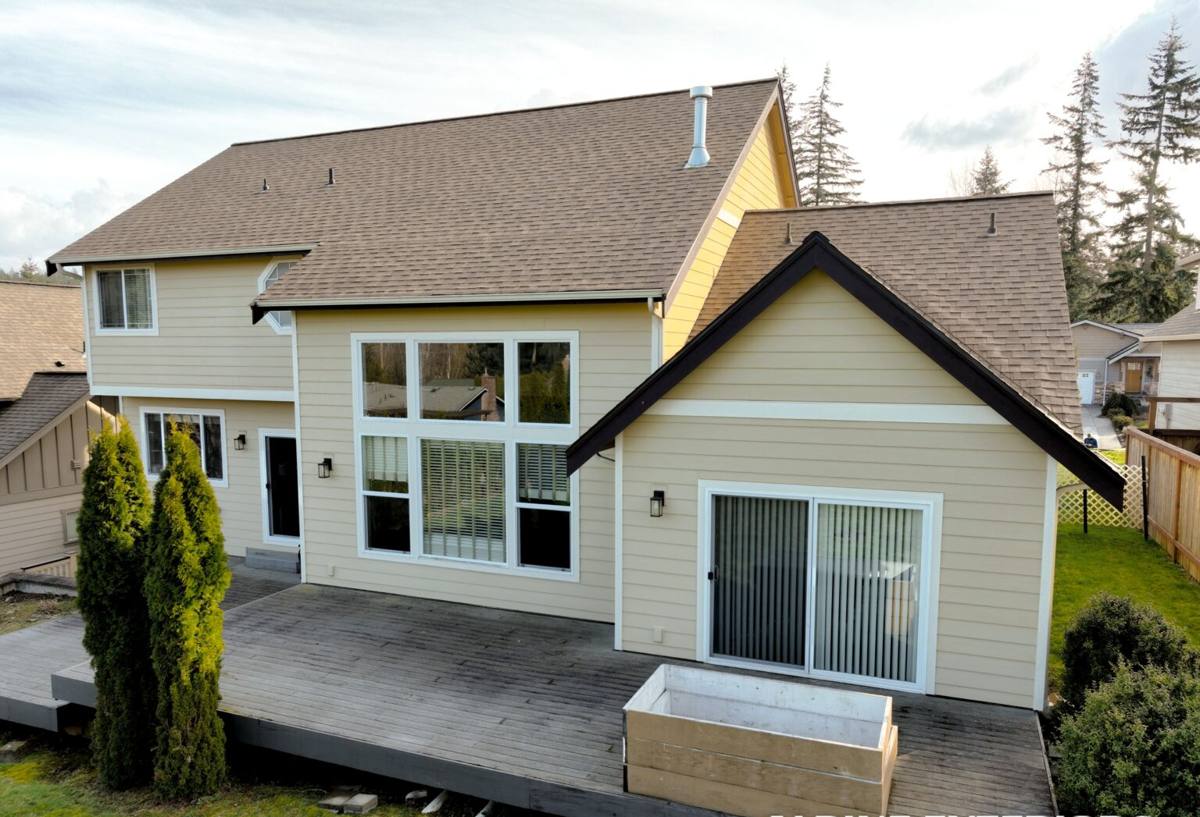
What a Correct Installation Actually Involves
Window installation is often sold as a one-day, drop-in job, and in a lot of climates that's roughly true. On the Gulf Coast, the installation details matter as much as the window itself. A window can carry the right wind rating and still leak or fail prematurely if it goes in wrong. Here's what we treat as non-negotiable on every job:
- Full removal and inspection of the opening — not just the old sash, but the rough opening, sill, and surrounding framing or masonry, checked for rot, corrosion, or water damage before anything new goes in.
- Proper flashing and weatherproofing — self-adhered flashing tape and sill pans that direct any water that gets past the window back outside the wall, rather than into the framing.
- Correct fastener type and spacing — matched to whether the opening is wood-framed or concrete block/masonry, and installed per the manufacturer's tested installation instructions, not a generic pattern.
- Low-expansion, compatible sealants — some spray foams and caulks can actually bow window frames or degrade under UV and salt exposure faster than others.
- Shimming and squaring — a window that's slightly out of square will bind, won't lock properly, and puts uneven stress on the frame that shows up as leaks or cracked corners within a few years.
Skipping any one of these doesn't usually cause an immediate problem. It shows up eighteen months to three years later as a soft spot under the sill, a musty smell, or a window that suddenly won't latch. By then the fix is bigger than it needed to be.
Florida Building Code and Wind Requirements
Pinellas County enforces the Florida Building Code's wind-borne debris and pressure requirements, and St. Petersburg is well within the zone where replacement windows need to meet those standards — this isn't optional or a premium upgrade, it's what's required to pull a permit and pass inspection. In practice that means:
- Windows need a documented Florida Product Approval or Miami-Dade NOA (Notice of Acceptance) number appropriate to the wind zone and the home's exposure category.
- The installation itself has to match the tested installation method for that specific product — the approval covers the window and how it's anchored, not just the glass and frame.
- A permit and inspection are required for window replacement in St. Petersburg; skipping this can create problems at resale when the buyer's inspector or the county can't find a record of the work.
We pull permits, use products with current Florida approvals for this wind zone, and install to the tested method — not because it's the cheapest way to do the job, but because it's the only way the window actually performs the way it's rated to.
Impact vs. Non-Impact: What Actually Makes Sense in Bartlett Park
Impact-rated windows (laminated glass, heavier frames) are the highest level of storm protection and they eliminate the need for separate shutters or panels. They cost more up front. Non-impact windows paired with code-compliant shutters or panels meet the same wind-borne debris requirement at a lower material cost, but they require you to actually deploy protection before a storm — and that only works if you're home, healthy, and have advance notice.
| Factor | Impact Windows | Non-Impact + Shutters/Panels |
|---|---|---|
| Upfront cost | Higher per window | Lower window cost, but add shutter cost |
| Storm prep effort | None — always ready | Must install panels/shutters before each storm |
| Daily UV/noise performance | Better — laminated glass blocks more UV and sound | Standard, unless upgraded glass package chosen |
| Insurance impact | Often qualifies for wind mitigation credit | Shutters can also qualify, if permanently attached type |
| Curb appeal | No visible hardware | Track/anchor hardware visible on exterior |
For a lot of Bartlett Park homeowners, especially anyone renting the property out or traveling frequently, impact glass is worth the premium simply because there's nothing to remember to do before a storm. For an owner-occupied home where someone is reliably around to put up panels, non-impact with quality shutters is a legitimate, code-compliant choice. We'll walk through both with actual product options rather than pushing one by default.
Frame Material: What Holds Up on This Coast
Vinyl
Good value, decent insulation, and modern vinyl formulations resist UV fading better than they used to. The tradeoff is that vinyl can still soften and warp under sustained direct sun exposure on south- and west-facing walls if it's a lower-grade product, so the specific vinyl formulation matters more here than it would in a milder climate.
Aluminum
Strong and slim-profile, which a lot of older Florida homes were originally built with. Modern aluminum windows with thermal breaks perform far better than the single-pane aluminum units common in homes from the 1960s–80s. The main thing to watch is fastener and hardware corrosion resistance near the coast — we spec stainless or coated hardware, not standard-grade.
Fiberglass
The most dimensionally stable option in heat swings and holds paint well over time, at a higher price point. For homes with larger openings or where the owner wants the frame to outlast several paint cycles, it's worth the conversation.
We don't push one material as universally "best" — the right call depends on the home's exposure, the budget, and whether the owner is optimizing for lowest maintenance, lowest cost, or longest service life.
Our Installation Process
- On-site assessment — we look at every opening individually, not just measure for a quote. Rot, prior water intrusion, and out-of-square openings all get flagged before we price the job.
- Product selection — we go through impact vs. non-impact, frame material, and glass package options based on which elevation of the house each window is on and how it's used.
- Permitting — we handle the St. Petersburg/Pinellas County permit application and schedule required inspections.
- Removal and opening prep — old units come out, framing gets inspected and repaired if needed before any new window goes in.
- Installation — flashing, sill pan, fastening, and sealing per the tested method for that product.
- Final inspection and walkthrough — every window gets tested for smooth operation and a proper lock before we consider the job done, and we walk the homeowner through care and warranty coverage.
Signs Your Bartlett Park Home's Windows Need Attention
- Visible daylight or drafts around the frame when the window is closed and locked
- Fogging or moisture between panes on double-glazed units — the seal has failed
- Difficulty opening, closing, or locking, especially after humid stretches
- Soft or discolored wood, or bubbling paint, on the sill or surrounding trim
- Noticeably higher cooling bills without another clear cause
- Chalky, pitted, or corroded exterior hardware and frame finish
- Visible cracks in glass or frame corners, even hairline ones
Any one of these on its own isn't necessarily urgent. Several at once, or anything involving soft wood or water staining, is worth having looked at before the next storm season rather than after.
Maintenance That Actually Extends Window Life Here
New windows still need upkeep in a coastal climate — the maintenance schedule that works fine in a drier inland area isn't enough near the bay.
- Rinse frames and tracks a few times a year to clear salt residue before it accelerates corrosion
- Check and clean weep holes so water can actually drain out of the frame instead of pooling
- Inspect exterior caulk and sealant annually — UV exposure breaks it down faster here than in milder climates
- Lubricate locks and hinges periodically, especially after long humid stretches
- After any major storm, do a visual check for cracked seals, loose hardware, or new drafts
Why a Crew That Already Works Bartlett Park Matters
Every neighborhood in St. Petersburg has its own quirks — the age and construction of the housing stock, typical wall types, common opening sizes, and how exposed a given street is to prevailing wind and rain direction. A crew that's already worked Bartlett Park and the surrounding south St. Petersburg area knows what to expect before pulling the first window: whether an opening is likely to be true wood-frame or block, what kind of settling or shifting is common in homes of a certain age nearby, and which permit and inspection steps the county actually wants to see, since a delayed or failed inspection just adds time and cost to the homeowner's job. That familiarity doesn't replace doing the assessment on your specific house, but it does mean fewer surprises and a more accurate first quote.
If your windows are original, drafty, hard to operate, or you're just ready for real storm protection and lower bills, we'll come take a look and give you a straight answer about what your home actually needs — no pressure, no inflated urgency. Fill out the form below for a free estimate.