 St. Petersburg Siding
 Siding Installation Built for a Barrier Island, Not a Subdivision Inland
St. Pete Beach sits on a narrow strip of land with the Gulf on one side and the Intracoastal on the other, which means every home here takes a different kind of beating than a house ten miles inland in St. Petersburg proper. Salt-laden air moves through the neighborhood constantly, not just during storms. Summer UV is relentless and reflects off the water at angles a shaded inland lot never sees. Wind-driven rain doesn't fall straight down here — it comes in sideways off the Gulf and finds every gap, seam, and fastener a siding job left loose. And when a tropical system tracks through Pinellas County, homes this close to open water take the leading edge of it.
Siding installation in this location isn't a cosmetic project. It's the water and wind barrier standing between your framing and a coastal environment that doesn't let up. A job that would hold up fine in a landlocked neighborhood can fail here in a fraction of the time if it's not built for this exposure specifically.
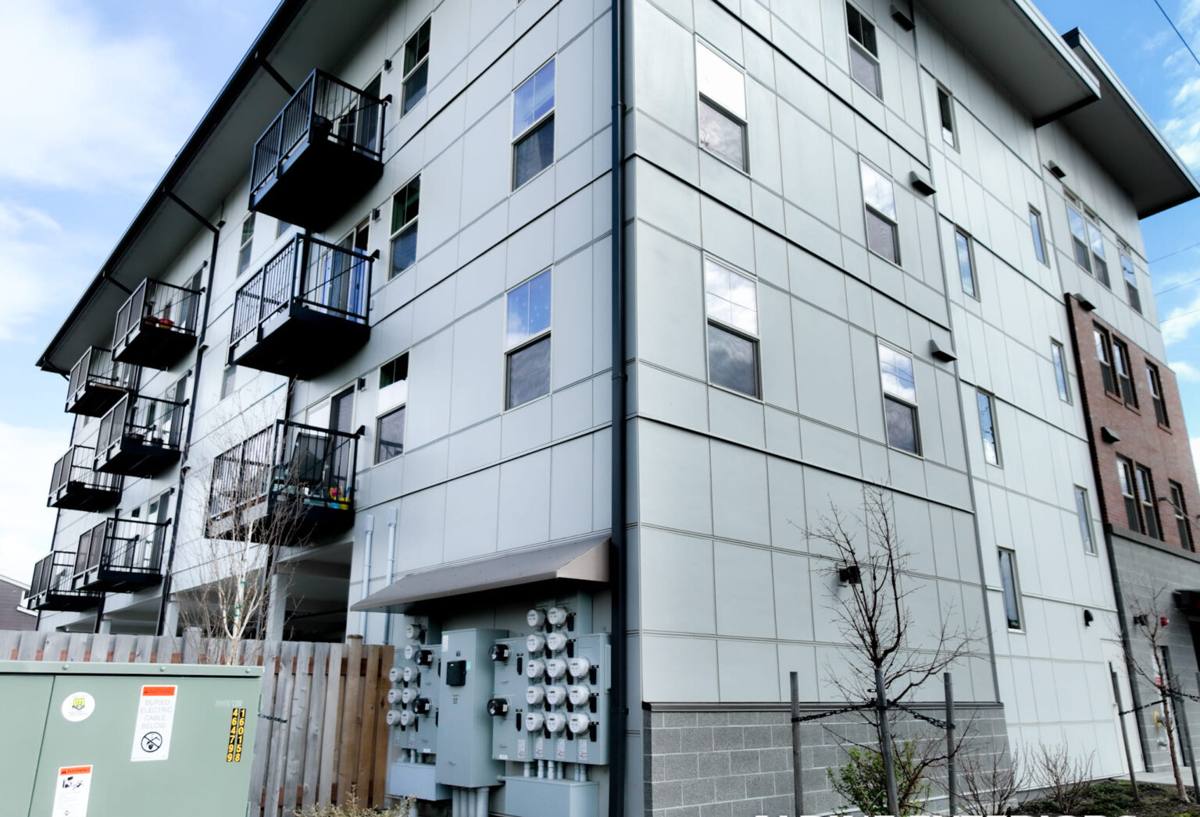
What Local Homes Actually Need From Their Siding
Salt Air Resistance
Airborne salt is corrosive to fasteners, trim, and any material that relies on paint film alone to stay protected. Over years, salt exposure accelerates the breakdown of coatings and hardware that weren't specified for a coastal environment. Siding, trim, and fastener choices all need to account for this, not just the wall material itself.
Wind and Wind-Driven Rain
St. Pete Beach falls in a high-wind zone under Florida's building code, and homes near the water often carry stricter wind-load and fastening requirements than the same house would a few miles inland. Siding has to be rated and installed to hold under sustained high wind, not just look good on a calm day. Just as important is how the assembly behind the siding handles wind-driven rain — proper water-resistive barrier lapping, flashing at every penetration, and correct clearances are what keep rain from tracking behind the cladding.
UV Stability
Direct sun and Gulf reflection fade and degrade lesser coatings faster than a typical Florida inland exposure. A finish that isn't engineered for UV will chalk, fade unevenly, and need repainting far sooner near the beach than the same product would inland.
Why We Install Only James Hardie Fiber Cement Here
We don't install vinyl, LP SmartSide, primed wood, or cedar on any home we work on, and that standard matters even more on a barrier island like St. Pete Beach. Fiber cement is non-combustible and dimensionally stable — it doesn't expand and contract with heat and humidity the way vinyl and wood-based products do, which matters when a wall assembly is dealing with salt air and UV cycling day after day. James Hardie's ColorPlus factory finish is baked on and engineered to hold color and resist fading in intense, reflective sun far better than field-applied paint, which is exactly the kind of exposure this stretch of coastline delivers year-round.
Hardie also makes climate-engineered HZ product lines specifically built for high-humidity, storm-prone regions like ours, and the company backs the material with a strong transferable warranty. None of that removes the need for correct installation — the product only performs as designed when it's installed to spec — but it gives us a material that's actually built for this environment instead of one we have to compromise around.
What a Correct Installation Involves
The siding panel itself is only part of the system. Most siding failures we see on coastal homes trace back to what happened before the first panel went up, not the panel itself.
- A continuous, properly lapped water-resistive barrier installed over sound sheathing, with no gaps at seams or penetrations
- Correct flashing at every window, door, and roofline intersection so wind-driven rain has nowhere to track behind the wall
- Fasteners and clearances that meet James Hardie's published installation instructions and Florida's high-wind code requirements
- Proper clearance between the bottom of the siding and grade, decks, roofs, and hardscaping to prevent standing water and wicking
- Correct joint treatment and caulking at butt joints and trim, sized for expansion and long-term movement
- Fastener spacing and pattern rated for the wind zone the home sits in, not a generic inland spec
Skip any one of these and the siding can look fine from the street for a couple of years while moisture and wind stress quietly work behind it. That's the failure mode we're hired to prevent, not just repair after the fact.
How Coastal Exposure Changes the Job Compared to Inland St. Petersburg
| Factor | Inland St. Petersburg | St. Pete Beach / Barrier Island |
|---|---|---|
| Wind load design | Standard Florida wind zone requirements | Often higher wind-load and fastening requirements this close to open water |
| Salt exposure | Occasional, lower concentration | Constant airborne salt on fasteners, trim, and finishes |
| UV/reflected sun | Standard Florida UV exposure | Intensified by direct Gulf reflection |
| Wind-driven rain | Present during storms | Frequent, and more forceful due to open water fetch |
| Flashing/detailing tolerance | Standard best practice | Near zero margin for shortcuts — failures show up faster |
The material and workmanship requirements don't change from one Pinellas County neighborhood to the next in theory — but in practice, a barrier-island home gives you far less room for a marginal detail to go unnoticed before it becomes a real problem.
Our Process for St. Pete Beach Homes
1. On-Site Assessment
We look at the existing wall assembly, current siding condition, trim, and any signs of past moisture intrusion before quoting anything. On a coastal home this step matters more than usual — what's behind the existing siding tells us a lot about how the house has handled its exposure so far.
2. Tear-Off and Substrate Check
We remove the old siding and inspect the sheathing underneath. Any soft, water-damaged, or compromised sheathing gets addressed before anything new goes on — installing new siding over a bad substrate just hides the problem, it doesn't fix it.
3. Water-Resistive Barrier and Flashing
This is the step that determines whether the job holds up in wind-driven rain. We install and lap the barrier correctly and flash every window, door, and penetration before a single piece of Hardie siding goes up.
4. Hardie Installation to Spec
Panels, fasteners, joints, and clearances are installed per James Hardie's instructions and Florida's high-wind code requirements for this location — not a generic inland pattern.
5. Trim, Caulk, and Finish Details
Final trim and joint treatment are finished so the assembly sheds water the way it's designed to, with no shortcuts at corners or transitions.
6. Walkthrough
We walk the finished job with you so you understand what was installed and why, and what maintenance (if any) it'll actually need going forward.
Why It Matters That We Already Work This Coastline
A crew that mainly works inland Pinellas County jobs can still do competent general siding work, but they may not think in terms of barrier-island wind exposure, salt-air fastener corrosion, or how wind-driven rain behaves against a home with open water on two sides. A crew that already works St. Pete Beach regularly has already run into these conditions and adjusted for them — the flashing details, fastener choices, and wind-load fastening pattern aren't an afterthought, they're the baseline.
There's also a practical side: local crews are familiar with Pinellas County permitting and inspection expectations for this area, and with how HOA or community aesthetic guidelines on the beach tend to run, which keeps the project moving instead of stalling on paperwork surprises.
What to Check Before You Hire Anyone for a Coastal Siding Job
- Do they install to a written manufacturer spec, or "however it's always been done"?
- Can they explain their flashing and water-resistive barrier detailing, not just the visible siding?
- Do they carry proper licensing and insurance for exterior work in Florida?
- Have they worked on barrier-island or immediate-coastal homes before, specifically?
- Is the warranty backed by the manufacturer and transferable if you sell the home?
- Will they show you the substrate before it's covered, not just the finished exterior?
Maintenance After Installation
Correctly installed James Hardie siding on a coastal home is low-maintenance, not no-maintenance. Rinsing accumulated salt off the exterior periodically, keeping an eye on caulked joints and trim over the years, and addressing any landscaping or irrigation that's throwing water directly at the wall will keep the assembly performing the way it was designed to for the long haul.
If your St. Pete Beach home's siding is showing its age, or you're planning ahead of the next storm season, we're happy to take a look and give you a straightforward, no-pressure estimate — just fill out the form below.