 St. Petersburg Siding
 Kenneth City Homes Carry a Heavy Climate Load
Kenneth City is a small, established community tucked inside Pinellas County, surrounded by the greater St. Petersburg area. It doesn't sit directly on the Gulf, but that doesn't spare it from Florida's exterior punishment. Salt-laden air moves inland off both Tampa Bay and the Gulf of Mexico and settles on every exposed surface in the county, coastal or not. Add in hurricane-force wind gusts during storm season, wind-driven rain that gets forced sideways into wall assemblies, and some of the most intense, near-constant UV exposure in the continental U.S., and you have a climate that is genuinely hard on siding — harder than most manufacturers' marketing materials let on.
For a siding contractor working this part of Pinellas County, that means every material recommendation and every installation detail has to account for wind uplift, moisture intrusion, and UV degradation at the same time. A product or installation approach that holds up fine in a mild climate can fail here in a fraction of the time.
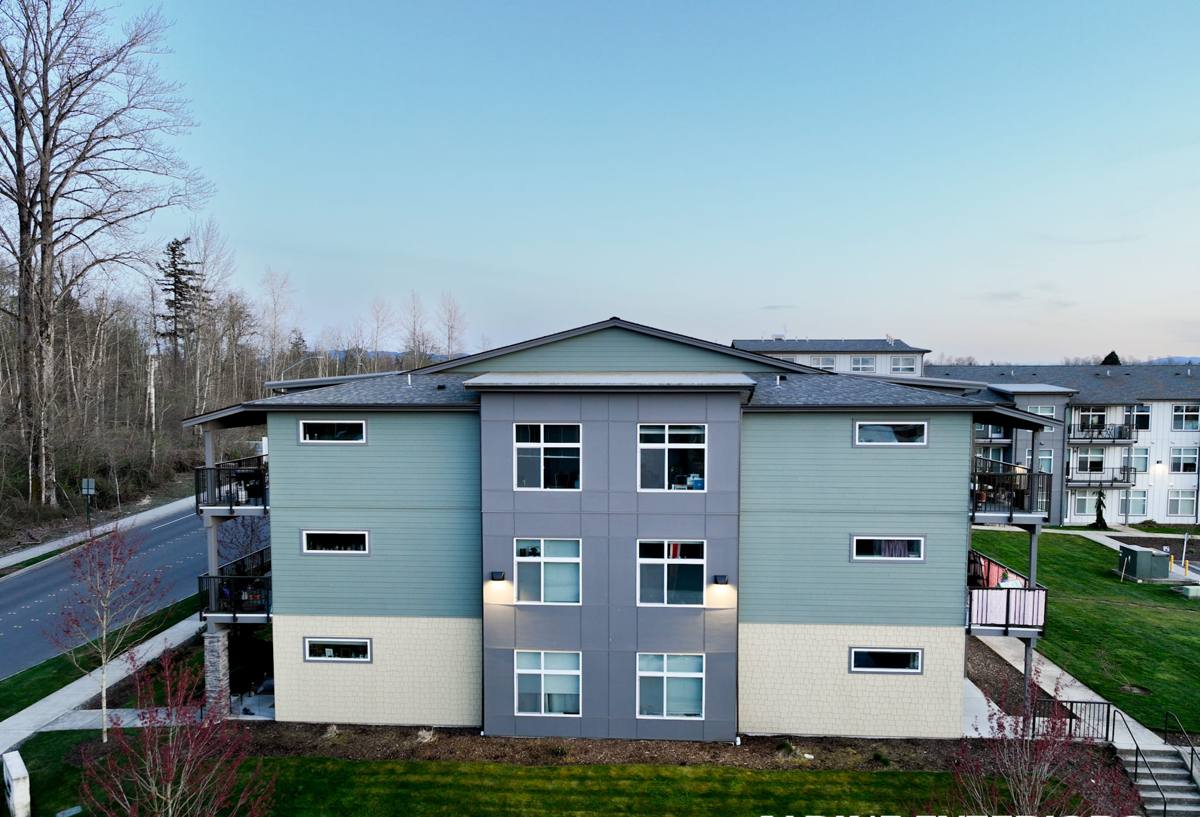
Signs a Kenneth City Home Needs Replacement, Not Repair
A lot of the housing stock in this part of Pinellas County is older — built well before current high-wind fastening codes and modern water-management details were standard practice. That doesn't mean every home needs new siding today, but it does mean a lot of homes are quietly past the point where patching makes sense. Signs it's time to talk about full replacement instead of another repair:
- Soft, spongy, or crumbling spots when you press on the siding, especially near the bottom courses and around window and door trim
- Paint that won't hold — you repaint every 2-3 years and it still peels, bubbles, or chalks off on your hand
- Visible warping, buckling, or panels that have pulled away from the wall at the seams
- Persistent staining, streaking, or a musty smell along interior walls that back up to exterior siding
- Siding that's been patched multiple times in different spots — a sign the underlying moisture or fastening problem was never actually solved
- Visible fastener pops, cracked caulk joints everywhere, or nails backing out after summer storm seasons
If you're seeing two or more of these at once, the material or the water-resistive barrier behind it has likely reached the end of its service life, and repair work is just delaying a bigger repair bill later.
What a Correct Siding Replacement Actually Involves
Siding replacement done right is not just swapping old boards for new ones. In a wind- and moisture-exposed area like Pinellas County, the work happening underneath the visible siding matters as much as the siding itself.
Tear-Off and Substrate Inspection
Every job starts with full removal of the old siding down to the sheathing, not an overlay. This is the only point in the project where hidden rot, termite damage, or moisture-saturated sheathing can actually be found and fixed. Skipping this step and installing over existing siding just seals problems inside the wall.
Weather-Resistive Barrier and Flashing
A properly lapped weather-resistive barrier, correctly integrated window and door flashing, and flashing at every horizontal trim transition are what actually keep wind-driven rain out of the wall assembly. This detail work is where most siding failures in this climate actually start — not with the siding material itself, but with water finding a path behind it.
Fastening for Florida Wind Zones
Fastener type, spacing, and embedment have to be installed to the manufacturer's high-wind fastening schedule for this zone, not the standard schedule used in calmer climates. Under-fastened siding is one of the most common causes of storm damage we see on homes that had "new" siding just a few years earlier.
Finish and Trim Details
Corners, trim boards, and joints need to be sealed and finished in a way that sheds water rather than trapping it. Caulk quality and placement at these transition points has a real effect on how many years pass before you're dealing with paint failure or wood rot again.
Why We Install Only James Hardie Fiber Cement
We standardized on James Hardie fiber cement siding for every job we do, including here in Kenneth City, and we don't install vinyl, LP SmartSide, or other fiber cement brands. That's a deliberate call, not a default. Fiber cement doesn't absorb water the way wood-based products can, it doesn't soften or warp in extreme heat the way vinyl can, and it's non-combustible. James Hardie's HZ product lines are engineered for climate zones like this one, with a factory-applied ColorPlus finish that's baked on rather than field-painted, which matters directly in a climate where UV and humidity are working against paint adhesion year-round. It also carries a strong, transferable warranty — but only when it's installed to spec, which is exactly why the installation details above matter as much as the material choice.
Our Process for Kenneth City Homeowners
- On-site assessment: We inspect the current siding, sheathing condition where accessible, trim, and any problem areas you've noticed, and take measurements for an accurate quote.
- Written estimate: You get a clear, itemized quote — material, labor, and scope — with no vague allowances buried in the fine print.
- Scheduling around Florida's storm season: We plan the job timeline with an eye on the local weather pattern so tear-off days aren't left exposed to an afternoon storm.
- Tear-off and inspection: Old siding comes off, sheathing gets inspected, and any rot or damage is documented and addressed before anything new goes up.
- Barrier, flashing, and installation: Weather-resistive barrier, flashing, and James Hardie siding go on to manufacturer spec and the local high-wind fastening schedule.
- Final walkthrough and cleanup: We walk the finished job with you, check every elevation, and clear the site of old material and debris.
What Drives the Cost of a Siding Replacement
| Factor | Why It Matters |
|---|---|
| Home size and number of stories | More square footage and higher elevations mean more material, more labor, and more setup time |
| Extent of hidden damage found at tear-off | Rotted sheathing or framing found underneath old siding needs to be replaced before new siding goes on |
| Trim and architectural detail | Corner boards, window trim, and multiple roof lines all add labor time beyond flat wall runs |
| Siding profile and Hardie product line chosen | Lap width, texture, and ColorPlus color selection affect material cost |
| Access and site conditions | Tight lots, fencing, landscaping, and staging space affect how efficiently a crew can work |
Because these factors vary so much house to house, we don't quote siding replacement over the phone — an accurate number requires actually seeing the home.
Why a Crew That Already Works Kenneth City Matters
Siding replacement in this part of Pinellas County isn't just a technical job, it's a local one. A crew that regularly works Kenneth City and the surrounding St. Petersburg area already knows the permitting process with the relevant local building department, understands the wind-zone fastening and code requirements that apply here, and has a feel for how older homes in this specific area were typically built — which means fewer surprises once tear-off starts. It also means faster response if a storm rolls through mid-project and scheduling has to shift, because the crew isn't driving in from across the region to deal with it.
A checklist worth running through before hiring anyone for this kind of work:
- Are they licensed and insured to do exterior work in Florida, and will they show you proof without you having to ask twice?
- Do they pull the required permit, or do they suggest skipping it?
- Will they put the fastening schedule and moisture-barrier details in writing, not just "siding replacement" as a line item?
- Can they explain, specifically, why they use the materials they use in this climate?
- Do they have experience working in Pinellas County specifically, not just siding experience in general?
Maintaining Your New Siding
James Hardie siding is low-maintenance, not no-maintenance, especially in a climate like this one. A simple annual routine keeps it performing for the long haul: rinse off accumulated salt residue and dust with a garden hose, inspect caulk joints at trim and penetrations each year and before hurricane season, and have any storm damage looked at promptly rather than waiting. None of this is heavy work, but skipping it is how small issues turn into repair calls a few years down the line.
If your Kenneth City home is showing any of the warning signs above, or you're simply planning ahead before your current siding becomes a problem, we're happy to come take a look. Reach out for a free, no-pressure estimate — no obligation, just a straight answer about what your home actually needs.