 St. Petersburg Siding
 Siding Installation for One of St. Petersburg's Oldest Neighborhoods
Old Northeast is one of the more established residential pockets in St. Petersburg — a neighborhood of older bungalows, Mediterranean Revival homes, and early-to-mid-century construction, many shaded by mature oak canopy and sitting close enough to the water to catch every bit of what Tampa Bay's weather has to offer. Siding on these homes isn't a cosmetic decision. It's the one layer standing between decades-old wood framing and a coastal Pinellas County climate that doesn't let up.
We install siding in this neighborhood regularly, and the work here is different from a newer subdivision on the other side of the county. Older homes have different wall assemblies, different trim details, and often a design character worth preserving. This page covers what siding installation actually requires for a home like this — the climate factors, the installation details that matter, and how our process is built around getting it right the first time.
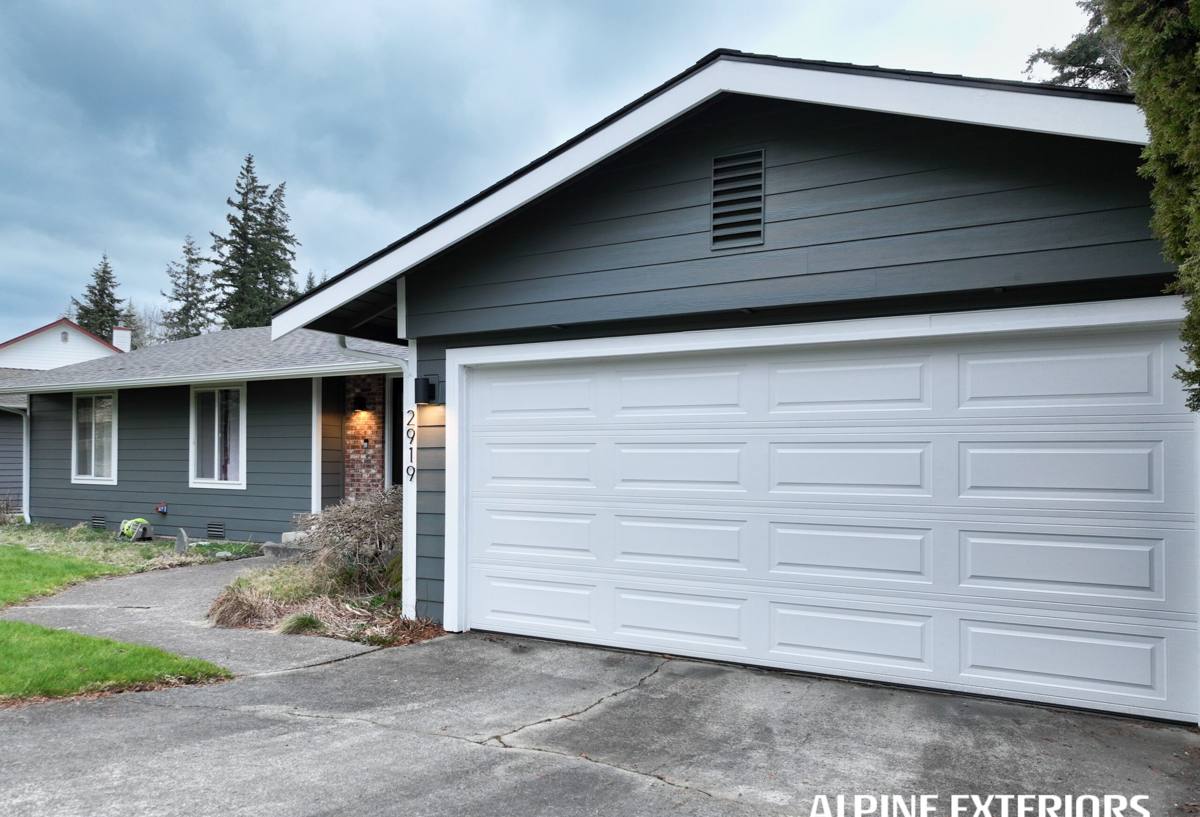
What St. Petersburg's Climate Does to Siding Over Time
Every siding material sold in this country has to survive somewhere. Not every siding material was engineered to survive here. St. Petersburg sits on a peninsula between Tampa Bay and the Gulf, which means a handful of stressors hit a home's exterior at the same time, every year, without a break:
- Hurricane-force wind: Sustained tropical storm and hurricane winds test not just the siding material but how it's fastened — and whether the substrate underneath can hold a fastener at all after years of moisture exposure.
- Intense, year-round UV: Florida's sun angle and day length mean siding here takes more total UV exposure annually than siding almost anywhere else in the continental U.S. Paint chalks, colors fade unevenly, and some materials become brittle.
- Wind-driven rain: It's not the rain itself that causes most siding failures — it's rain forced sideways and upward under laps, around trim, and into seams during a squall. That's a water-management problem, not just a water-resistance problem.
- Salt air: Even a few miles inland from the bay, airborne salt accelerates corrosion of fasteners and metal flashing and speeds up the breakdown of some siding finishes.
Individually, any one of these is manageable. Together, decade after decade, they're what separates a siding job that looks good for two years from one that performs for twenty-five.
Why This Hits Older Homes Harder
A home built decades ago wasn't sided with today's building science in mind. Original sheathing, older window and door flashing details, and settled framing all change how a new siding system needs to be installed. On an older Old Northeast home, we're not just cladding a wall — we're often correcting or upgrading water management that was never adequate by modern standards in the first place.
Why We Install Only James Hardie Fiber Cement
We made a decision a long time ago to install one siding system: James Hardie fiber cement. We don't install vinyl, LP SmartSide, Cemplank, Allura, primed wood, or cedar. That's not a marketing line — it's a standard we hold because of what we've seen these materials do, and not do, in exactly this kind of climate.
Vinyl softens, warps, and can crack in high heat and gets brittle enough to shatter in wind-driven debris during storms — and it can't be painted a darker color without risking warping, which limits homeowners who want to match a historic palette. Wood-based composite products like LP SmartSide perform reasonably where humidity and moisture exposure are moderate, but Pinellas County's combination of rain, humidity, and salt air is a tougher environment than that product's engineered strand-based core was designed around; edge and seam moisture intrusion is the failure mode we've watched play out. Primed wood and cedar require a maintenance commitment — recaulking, repainting, checking for rot — that most homeowners underestimate until they're paying for it every few years.
James Hardie fiber cement is non-combustible, doesn't expand and contract with heat the way vinyl does, and holds up to wind-driven rain and salt air far better than wood-based alternatives because cement board simply doesn't rot or delaminate the way organic materials can. The ColorPlus factory-applied finish is baked on and warranted against fading in a way field-applied paint on wood trim never is — which matters enormously under Florida's UV load. It's the material we're willing to put our name behind.
What Correct Installation Actually Involves
Fiber cement siding is only as good as the wall assembly behind it. A rushed or corner-cut install on the right material still fails in this climate. On every Old Northeast project, correct installation means:
- Weather-resistive barrier, done right: A properly lapped and sealed water-resistive barrier behind the siding, with all penetrations (pipes, vents, hose bibs) properly flashed and sealed — this is the layer that actually stops wind-driven rain that gets past the siding face.
- Correct flashing at every horizontal surface: Window heads, door heads, and any horizontal trim need flashing that directs water out, not into the wall cavity. This is where most older-home leaks originate.
- Proper fastener pattern and type: Hardie specifies fastener type, spacing, and embedment depth for a reason — under-fastened siding is what pulls loose in hurricane-force gusts. We follow Hardie's published fastening schedules for our wind exposure category, not a generic pattern.
- Correct clearances: Minimum gaps from grade, roofing, and decking keep the bottom edge of the siding from wicking moisture — a detail that's easy to skip and expensive to ignore.
- Caulking and sealant only where Hardie specifies it: Over-caulking traps moisture; under-caulking lets it in. Both are common mistakes from crews that don't install fiber cement full-time.
Product Line: Why HZ5 Matters Here
James Hardie engineers its siding by climate zone. Pinellas County falls in a high-humidity, high-moisture-exposure zone, and we install Hardie's HZ5 product line for exactly that reason — it's formulated for regions like ours rather than a one-size-fits-all national product. That distinction matters more on the coast than almost anywhere else Hardie sells.
Matching an Older Home's Character
One reason homeowners in an established neighborhood hesitate to re-side is a fear of losing the look of the house. James Hardie's product range makes that a non-issue in most cases. Lap siding profiles are available in a range of exposures to match traditional clapboard widths, and Hardie also makes board-and-batten and shingle-style panels for homes with that detailing. ColorPlus finishes come in a range of factory colors, so a home that currently reads as a classic bungalow or Mediterranean Revival exterior can keep that character — just on a material that will actually hold its finish under Florida sun instead of chalking out in a few seasons.
How Our Process Works
- On-site assessment: We walk the exterior, check for existing moisture damage, rot, or prior repair patches, and evaluate the wall assembly underneath the current siding.
- Written scope and product selection: You get a clear plan — which Hardie profile, which HZ line, trim details, and color — before any work starts.
- Tear-off and substrate inspection: Old siding comes off and we inspect sheathing for damage that has to be addressed before new siding goes on. This step is where hidden problems on older homes usually surface.
- Water-resistive barrier and flashing installation: The parts nobody sees once the job's done, and the parts that determine whether it lasts.
- Siding installation to Hardie's fastening and clearance specifications: Not a generic install — the specs for our wind exposure and climate zone.
- Final inspection and walkthrough: We check caulking, trim, and finish work with you before calling the job complete.
Siding Material Comparison for Coastal Pinellas County
| Factor | James Hardie Fiber Cement | Vinyl | Wood / LP SmartSide |
|---|---|---|---|
| Hurricane-force wind performance | Engineered and rated for high-wind installation | Can crack or blow off in high wind and debris impact | Adequate if maintained; fasteners loosen as wood ages |
| UV / color retention | Factory ColorPlus finish, warranted against fading | Fades and can warp in sustained heat | Field-applied paint fades and needs recoating |
| Salt air / moisture exposure | Non-combustible, doesn't rot or delaminate | Fasteners and trim can corrode; material itself is stable | Vulnerable to moisture intrusion at seams and edges |
| Maintenance | Occasional wash; no repainting for years | Low, but limited repair/color options | Regular caulking, inspection, repainting |
| Typical lifespan when installed to spec | Multiple decades | 15–25 years, shorter in high heat/impact areas | Varies widely with maintenance and moisture exposure |
What Drives the Cost of a Project
Every home is different, and we won't quote a number without seeing the house, but the factors that actually move the price are consistent:
| Cost Factor | Why It Matters |
|---|---|
| Home size and number of stories | More surface area and access equipment (for two-story sections) add labor time |
| Condition of existing sheathing | Rot or damage found during tear-off has to be repaired before new siding goes on |
| Trim and detail complexity | Historic-style trim, multiple gables, and window/door count all add installation time |
| Siding profile and finish selection | Lap width, board-and-batten, and premium ColorPlus finishes vary in material cost |
| Site access | Mature landscaping, tight lot lines, and older driveways common in established neighborhoods can affect setup and material staging |
Questions Worth Asking Before You Hire
Not every contractor who "does siding" installs fiber cement full-time, and the difference shows up in callbacks. Before you hire anyone for a project like this, ask:
- Are they a certified or factory-trained James Hardie installer, and can they explain the fastening schedule they'll use for our wind zone?
- Will they inspect and document the condition of the sheathing before quoting a final price, not just the surface siding?
- Do they carry proper insurance and pull the required local permits, rather than treating siding as a permit-optional job?
- Can they show you real examples of Hardie installations they've completed in this area, including different profiles and color finishes?
- What does their warranty cover — labor and installation, not just the manufacturer's material warranty?
- Do they have a plan for protecting landscaping, walkways, and neighboring property during tear-off and installation?
A crew that already works regularly in St. Petersburg's older neighborhoods will have answers ready for all of these without hesitation — because they've been doing it on homes just like yours.
Why Local Experience in Old Northeast Matters
Siding installation isn't a one-size-fits-all job, and it's even less so in a neighborhood built up decades before current wind and moisture codes existed. A crew that regularly works in this part of St. Petersburg already knows what tends to be hiding under old siding on homes of this era, how to work around mature trees and tighter lots without damaging them, and how to keep a historic look intact while upgrading everything that actually protects the house. That local pattern-recognition is worth more than a lower bid from a crew unfamiliar with the neighborhood's housing stock.
If you're weighing a siding replacement on a home in Old Northeast, we're happy to take a look and give you a straight, no-pressure assessment of what your home actually needs — no obligation, and no pressure to sign anything on the spot. Use the form below to request a free estimate.