 St. Petersburg Siding
 Seminole's Climate Puts Extra Stress on Exterior Siding
Seminole sits in Pinellas County, close enough to the Gulf that homes here deal with a tougher mix of weather than most inland Florida neighborhoods. Hurricane-force winds during storm season, intense sun almost every day of the year, wind-driven rain that gets pushed sideways into wall assemblies, and a steady dose of salt-laden air all work on your siding at the same time. None of these on their own is unusual for Florida. Together, year after year, they shorten the useful life of siding that wasn't built or installed for this kind of exposure.
That's the backdrop for every siding repair call we take in Seminole. A crack that would be cosmetic in a drier, calmer climate can be the entry point for water intrusion here. A loose seam that might sit unnoticed for years elsewhere can let wind-driven rain behind the wall during a single tropical storm. Repair work in this area has to account for what's actually happening to the material, not just what it looks like from the driveway.
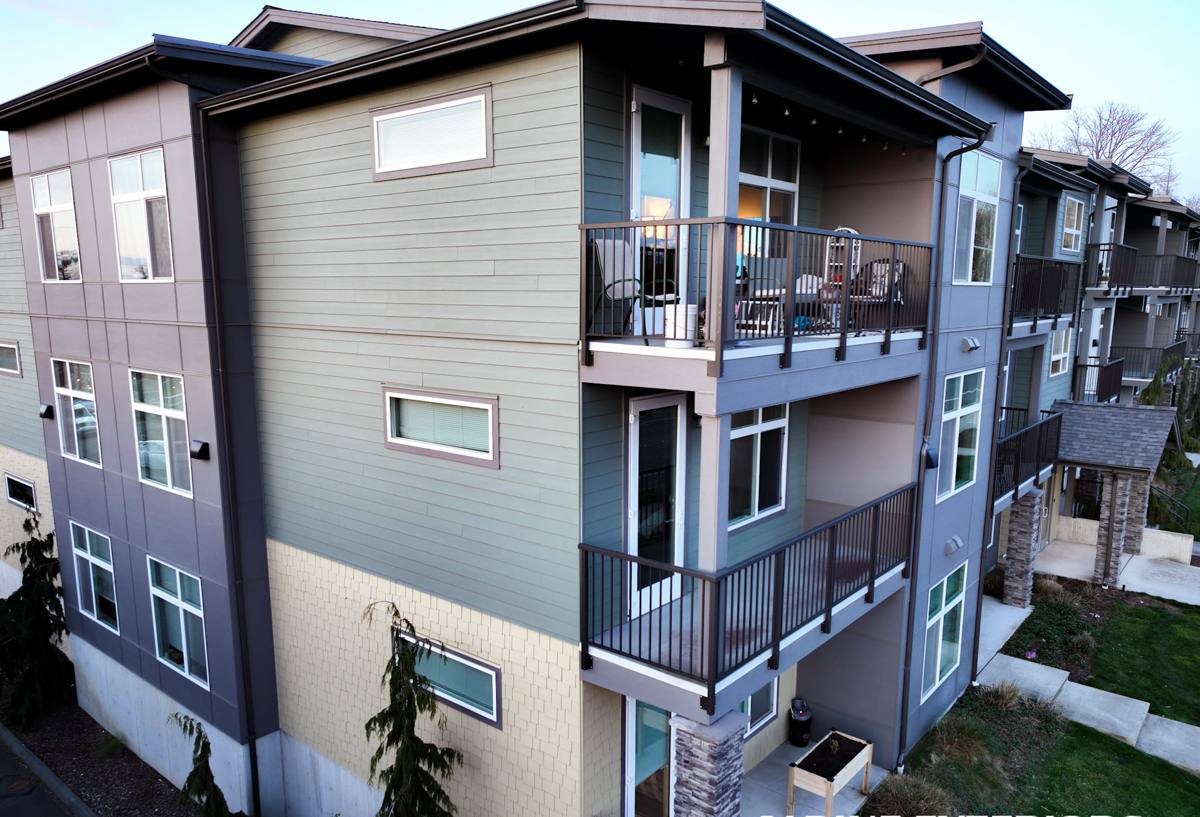
How Pinellas County Weather Actually Damages Siding
UV and Heat
Florida sun is relentless. Painted wood, vinyl, and lower-grade composite products absorb UV energy all day, which fades color, dries out caulk and sealants, and makes some materials brittle over time. Vinyl siding in particular can warp or buckle when it gets hot enough in direct sun, and once it's warped it rarely lays flat again — it has to be replaced, not repaired.
Wind-Driven Rain
Rain that falls straight down is rarely the problem. Rain pushed sideways by 40, 60, or 100+ mph wind finds every gap, lifted seam, and undersized flashing detail on a wall. Once water gets behind the siding, it's dealing with your sheathing and framing, not just the finish surface — which is why a repair that only addresses the visible crack and ignores what's happening behind it doesn't hold up.
Salt Air and Corrosion
Even a few miles from open water, salt carried on Gulf breezes settles on exterior surfaces and accelerates corrosion of fasteners, flashing, and any exposed metal trim. Corroded nails and screws lose their grip strength, which is a common reason siding that looked fine last year starts to loosen or pull away this year.
Storm Impact and Debris
Tropical storms and hurricane-adjacent wind events don't need a direct hit to cause damage. Flying debris, downed branches, and sustained high wind loads can crack panels, tear loose end caps, and stress fastening patterns across an entire elevation, especially the side of the house that takes the brunt of prevailing storm winds.
Signs Your Seminole Home Needs Siding Repair
Some damage is obvious right after a storm. Other damage builds slowly and gets noticed only once it's already caused water intrusion. Walk your exterior periodically and look for:
- Cracked, split, or visibly warped siding panels or boards
- Soft or spongy spots when you press on the surface (a sign of moisture damage underneath)
- Buckled or bowed sections, especially on walls that get the most afternoon sun
- Peeling, bubbling, or heavily chalking paint
- Dark streaking, staining, or a musty smell near seams and corners
- Gaps opening up at seams, corners, or around windows and doors
- Missing or loosened pieces after a storm, even if the rest of the wall looks intact
- Visible rust bleeding from fastener heads or metal trim
Any one of these is worth a call. Several at once, or damage concentrated on one exposure of the house, usually points to a bigger issue than a single bad board.
What a Correct Siding Repair Actually Involves
Diagnosing the Real Problem First
A repair that only replaces what's visibly broken can miss the reason it broke in the first place. Before we touch a panel, we check for moisture behind the siding, look at how the original installation handled flashing and water-shedding details, and confirm whether the damage is isolated or a symptom of a wider installation or material issue. Skipping this step is how the same spot ends up needing repair again after the next storm.
Repair vs. Full Replacement
Not every damaged section needs to become a full re-side. If the damage is limited, the underlying wall is dry, and matching material is available, a targeted repair is the honest recommendation. But if we find rot in the sheathing, widespread moisture damage, or a material that's failing across the whole elevation rather than in one spot, patching it is a short-term fix that costs money now and again later. We'll tell you which situation you're in and why, not just quote whichever job is bigger.
| Quick Patch Approach | Correct Repair Approach |
|---|---|
| Replaces only the visibly damaged piece | Checks moisture and condition behind the siding first |
| Reuses existing caulk and flashing as-is | Re-seals and re-flashes to shed wind-driven rain correctly |
| Matches color/texture "close enough" | Matches material, profile, and finish deliberately, or recommends replacement if it can't be matched well |
| Uses whatever fasteners are on hand | Uses fasteners rated for the material and exposure |
| No warranty on workmanship | Backed by a clear workmanship warranty |
Why We Repair and Rebuild With James Hardie Fiber Cement
We install one siding system: James Hardie fiber cement. When a repair calls for replacing a section of siding and matching material either isn't available or isn't worth chasing, we bring in Hardie rather than patching with a different product or a lesser one. There's a practical reason for that, not just a brand preference.
James Hardie's HZ10 product line is engineered specifically for hot, humid, storm-exposed climates like ours — it's built to resist moisture-related damage, hold paint and color longer under constant UV exposure, and stand up to the kind of wind and wind-driven rain that Pinellas County sees every hurricane season. It's non-combustible, it doesn't warp in the sun the way vinyl can, and its factory-applied ColorPlus finish is formulated to resist the fading and chalking that Florida sun causes faster than almost anywhere else in the country. When we do need to blend new material into an existing wall, Hardie's consistency from board to board makes that match far more predictable than trying to source discontinued vinyl profiles or hand-match faded wood.
We don't install LP SmartSide, vinyl, or other fiber cement brands, and we're upfront about why: we've standardized on the product and installation method we trust to hold up under Seminole's specific mix of wind, sun, rain, and salt, and we'd rather tell a homeowner honestly that we only work in one system than sell something we're not fully confident in.
Our Siding Repair Process
- Inspection. We walk the full exterior, not just the reported problem area, and check for moisture with a meter where damage is suspected.
- Diagnosis. We identify whether the cause is storm impact, UV/material failure, a flashing or seam issue, or fastener corrosion.
- Written scope. You get a clear explanation of what needs to happen, why, and what it costs — including whether repair or partial replacement is the right call.
- Material sourcing. We source matching material where a true match is possible, or Hardie product where replacement makes more sense.
- Repair work. Damaged material comes out, the wall assembly behind it gets checked and corrected if needed, and new material goes in with proper fastening, flashing, and sealant.
- Final walkthrough. We review the completed work with you before calling the job done.
What Siding Repair Typically Costs in Seminole
Repair costs vary widely because the underlying causes vary widely. The table below covers the main factors that move the price up or down — we'll always give you a specific number after inspecting your home, not a guess from a phone call.
| Cost Factor | Why It Matters |
|---|---|
| Extent of damage | A single cracked board costs far less than damage spread across a full wall |
| Hidden moisture damage | Rotted sheathing behind the siding adds carpentry work beyond the siding itself |
| Material match availability | Discontinued or faded materials may require a larger replacement area to blend properly |
| Height and accessibility | Second-story or hard-to-reach sections take more time and equipment |
| Fastener and trim condition | Corroded fasteners or trim found during the repair may need replacing too |
Why Hiring a Crew That Already Works in Seminole Matters
Siding repair after storm damage often runs on a clock — insurance documentation, permitting, and getting your home weathertight again before the next system moves through. A crew that regularly works in Seminole and greater Pinellas County knows the local permitting process, understands the wind-load and code requirements that apply to exterior work in this area, and has already seen how the local climate affects different siding materials over time. That experience shows up in faster, more accurate diagnosis and fewer surprises once the work starts — instead of a contractor learning the local conditions on your house.
It also matters for something less obvious: knowing when a repair is genuinely enough, and when it's a stopgap that will fail again next storm season. Honest guidance on that difference is worth more than a fast, cheap patch.
Keeping Your Siding in Good Shape After a Repair
A few habits go a long way toward protecting a repair and the siding around it:
- Rinse exterior walls periodically to clear salt residue, especially after long dry stretches
- Walk the exterior after any significant storm and look for new gaps, cracks, or loosened pieces
- Keep gutters and downspouts clear so water isn't sheeting down the wall surface
- Re-caulk seams and trim joints as they age, before gaps become water pathways
- Trim back vegetation and tree limbs that can scrape siding or drop debris in high wind
If you're noticing damage, discoloration, or loose sections on your Seminole home, we're happy to take a look and give you a straight answer on what it needs. Reach out for a free, no-pressure estimate — we'll tell you honestly whether it's a repair, a partial replacement, or something you can keep an eye on for now.