 St. Petersburg Siding
 Pinellas Park Roofs Take a Different Kind of Beating
Pinellas Park sits in the middle of Pinellas County, close enough to both Tampa Bay and the Gulf that homes here deal with the worst of both weather worlds. It's not one thing wearing your roof out — it's four things working on it at once, year after year, and most homeowners don't realize how much overlap there is until they're already dealing with a leak.
Sun and Heat
Florida's UV load is brutal on roofing. Asphalt shingles lose their oils and granules faster here than in almost any other part of the country, and that process doesn't slow down in winter the way it does up north — it just keeps going, twelve months a year. Attics that aren't ventilated properly cook the underside of the decking and the back of the shingles at the same time, which shortens roof life from both directions.
Wind and Storms
Pinellas Park doesn't get a direct hurricane every year, but it gets tropical systems, squall lines, and straight-line wind events regularly enough that a roof's wind performance matters just as much as its looks. Wind doesn't usually peel a whole roof off at once — it finds the weak edge, the loose ridge cap, or the fastener that missed the truss, and it works that spot until water gets underneath.
Salt Air and Humidity
Even homes that aren't waterfront get salt-laden air blowing in off the Gulf and the bay. Salt accelerates corrosion on exposed metal — flashing, fasteners, valleys, vent stacks — and combined with Pinellas County's humidity, it also makes any trapped moisture in the roof system linger longer than it would in a drier climate. That's a big part of why roofs here fail from the inside out as often as they fail from storm damage.
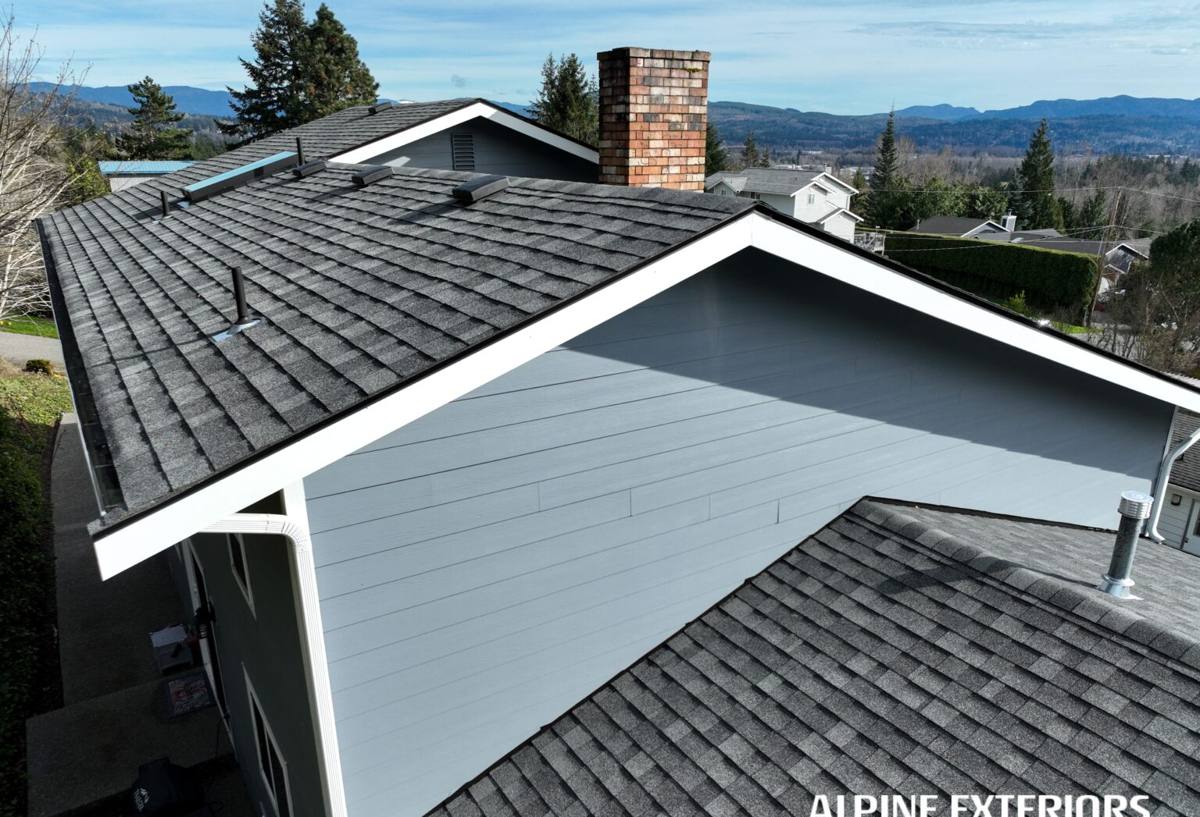
Signs a Pinellas Park Roof Needs Replacing, Not Patching
Not every roof problem means a full replacement, and we won't tell you it does. But there's a point where patching becomes a waste of money, and in this climate that point comes sooner than a lot of homeowners expect.
- Shingles that are cupping, curling, or missing granules across large sections rather than one isolated spot
- Soft spots in the decking you can feel when walking the roof, or sagging visible from the ground
- Repeated leaks in different locations after storms, even if each one gets patched
- Rusted or heavily corroded flashing around chimneys, vents, and valleys
- A roof that's 18-20+ years old (for asphalt shingle) and has never been fully replaced or re-decked
- Visible daylight through the attic decking, or a musty smell that suggests trapped moisture
- An insurance company flagging the roof's age or condition during a policy renewal inspection
If you're only seeing one or two of these, a repair may genuinely be the right call. We'll tell you that when it's true — a roof replacement is a big investment, and we'd rather earn the job with an honest assessment than sell one that isn't needed yet.
What a Correct Roof Replacement Actually Involves
A roof replacement is more than swapping old shingles for new ones. In a climate that punishes shortcuts, the parts you can't see after the job is done are usually the parts that determine whether it holds up.
Full Tear-Off and Deck Inspection
We don't install new roofing over old layers. A full tear-off lets us see the actual decking underneath — check for soft, rotted, or delaminated plywood, and replace only what's actually bad rather than guessing. Skipping this step is one of the most common ways a "new roof" fails early, because the new covering is only as good as what it's fastened to.
Underlayment and Secondary Water Barrier
Underlayment is your backup plan if wind ever drives rain under the shingles — which, in this area, it eventually will during some storm. We use a synthetic or self-adhering underlayment system appropriate to the roof pitch and material, with extra attention at eaves, valleys, and any low-slope sections where water sits longer.
Flashing at Every Penetration
Chimneys, plumbing vents, skylights, and wall-to-roof transitions are where most leaks start — not in the open field of shingles. Correct flashing means new metal, proper step-flashing at walls, and sealant used as a backup, not a substitute for good metalwork.
Ventilation That Matches the Attic
Intake at the soffits and exhaust at the ridge or roof vents need to work together, not against each other. Proper balance keeps attic temperatures down in our heat and reduces the moisture buildup that leads to mold and premature decking failure.
Wind-Rated Fastening and Code Compliance
Pinellas County follows Florida's high-velocity wind provisions for fastening patterns, nail counts, and starter strip installation. This isn't optional detail work — it's the difference between a roof that stays put in a wind event and one that doesn't, and it's inspected as part of the permit process.
Roofing Material Options for Pinellas Park Homes
Material choice affects lifespan, upfront cost, and how the roof handles our specific mix of sun, wind, and salt air. Here's how the common options compare for this area:
| Material | Typical Lifespan Here | Wind Performance | Maintenance | Relative Cost |
|---|---|---|---|---|
| Architectural Asphalt Shingle | 18-25 years | Good, with proper wind-rated installation | Low; periodic inspection | Lowest upfront |
| Standing Seam Metal | 35-50+ years | Excellent when properly fastened | Very low | Higher upfront |
| Concrete/Clay Tile | 40-50+ years | Good, but individual tiles can dislodge in high wind | Moderate; occasional tile replacement | Higher upfront |
| 3-Tab Asphalt Shingle | 12-18 years | Lower wind rating than architectural | Low | Lowest |
We install and stand behind quality architectural shingle and metal systems. We generally steer homeowners away from lower-grade 3-tab product in this market — not because it can't function, but because the wind rating and expected lifespan don't hold up as well against Gulf Coast conditions, and the modest upfront savings tend to get spent again sooner than a homeowner expects.
Permits, Wind Mitigation, and Insurance in Pinellas County
Every roof replacement in Pinellas Park requires a building permit, and the finished work gets inspected against Florida's wind-resistance code before it's signed off. We handle the permitting and scheduling of inspections as part of the job — it's not an add-on cost you have to chase down separately.
It's also worth asking about a wind mitigation inspection once the new roof is in. Insurance carriers in Florida offer premium credits for features like a hip roof shape, secondary water barrier, and impact-rated or wind-rated shingles — features that are much easier to document correctly right after a replacement than years later. We can point you toward what documentation to keep; the inspection itself is done by a licensed inspector, separate from the roofing work.
Our Replacement Process, Start to Finish
- On-site assessment — we walk the roof and attic, check decking condition, ventilation, and existing flashing, and give you a straight answer on repair vs. replacement.
- Written estimate — material options, scope of work, and timeline laid out clearly, with no vague allowances hiding in the fine print.
- Permit pulled — before any tear-off begins, so the job is inspected at the right stages, not rushed to hide work behind new shingles.
- Tear-off and deck inspection — old roofing removed, decking checked and repaired as needed, debris cleared same day where possible.
- Underlayment, flashing, and ventilation installed — the parts that determine how the roof performs in a storm, done before the finish material goes down.
- New roof covering installed — to manufacturer and code-required fastening specs, not a generalized "good enough" pattern.
- Final walkthrough and inspection — we review the finished roof with you, and the local building department signs off on the permit.
Why a Crew That Already Works Pinellas Park Matters
Roofing work is local in ways that are easy to overlook. A crew that already works Pinellas Park and the surrounding St. Petersburg area knows the Pinellas County permitting process and inspection scheduling without a learning curve, which keeps a project moving instead of stalling on paperwork. We know which roof designs and material choices tend to perform well against the specific wind exposure this part of the county sees, because we've installed and followed up on them here — not in a different climate with different code requirements.
There's also a practical side to being local after a storm. When wind or a fallen limb damages a roof, a crew that's already established in the area can respond faster than one traveling in from outside the county, and is still around months or years later if a warranty question comes up. That accountability matters more with roofing than almost any other exterior trade, because problems from a bad install often don't show up until the first real storm tests it.
Maintaining a New Roof in Salt Air and Florida Sun
A correctly installed roof still benefits from basic upkeep in this climate. Keep gutters clear so water isn't backing up under the eaves. Trim back tree limbs that drop debris or scrape shingles in wind. After any significant storm, a quick visual check from the ground — or a call to us — can catch a lifted shingle or damaged flashing before it turns into a leak. And if your roof has metal flashing or fasteners, a rinse to clear off salt buildup during dry season isn't a bad habit, especially for homes closer to the water.
A Simple Homeowner Checklist
- Check attic for signs of moisture or daylight twice a year
- Clear gutters and downspouts before hurricane season each year
- Have flashing and roof penetrations inspected after any named storm
- Keep documentation from your roof replacement for insurance and wind mitigation purposes
- Don't ignore a single water stain on a ceiling — trace it before it spreads
If your Pinellas Park roof is showing its age or you just want an honest read on where it stands, we're glad to come take a look. The estimate is free, there's no pressure to move forward, and you'll get a straight answer either way — use the form below to get started.