 St. Petersburg Siding
 Pinellas Park Sits Right in the Path of Everything Gulf Coast Weather Throws
Pinellas Park doesn't get a break from the climate that defines the rest of Pinellas County. It's close enough to Tampa Bay and the Gulf to pick up salt-laden air, far enough inland that afternoon storms build up plenty of wind-driven rain before they arrive, and exposed to the same relentless year-round UV load as every other neighborhood in the St. Petersburg area. None of that is unique to any one street or subdivision here — it's the baseline every exterior surface in this part of Florida has to survive, year after year, for decades.
Siding is one of the few building materials that has to handle all of that at once: it flexes with temperature swings, gets soaked and dried out repeatedly, takes direct UV exposure for most of the day, and in a real windstorm has to stay fastened to the wall while wind is trying to peel it off. Cheap material or a rushed installation might look fine for a year or two. The failures show up later — and by then they're expensive to fix.
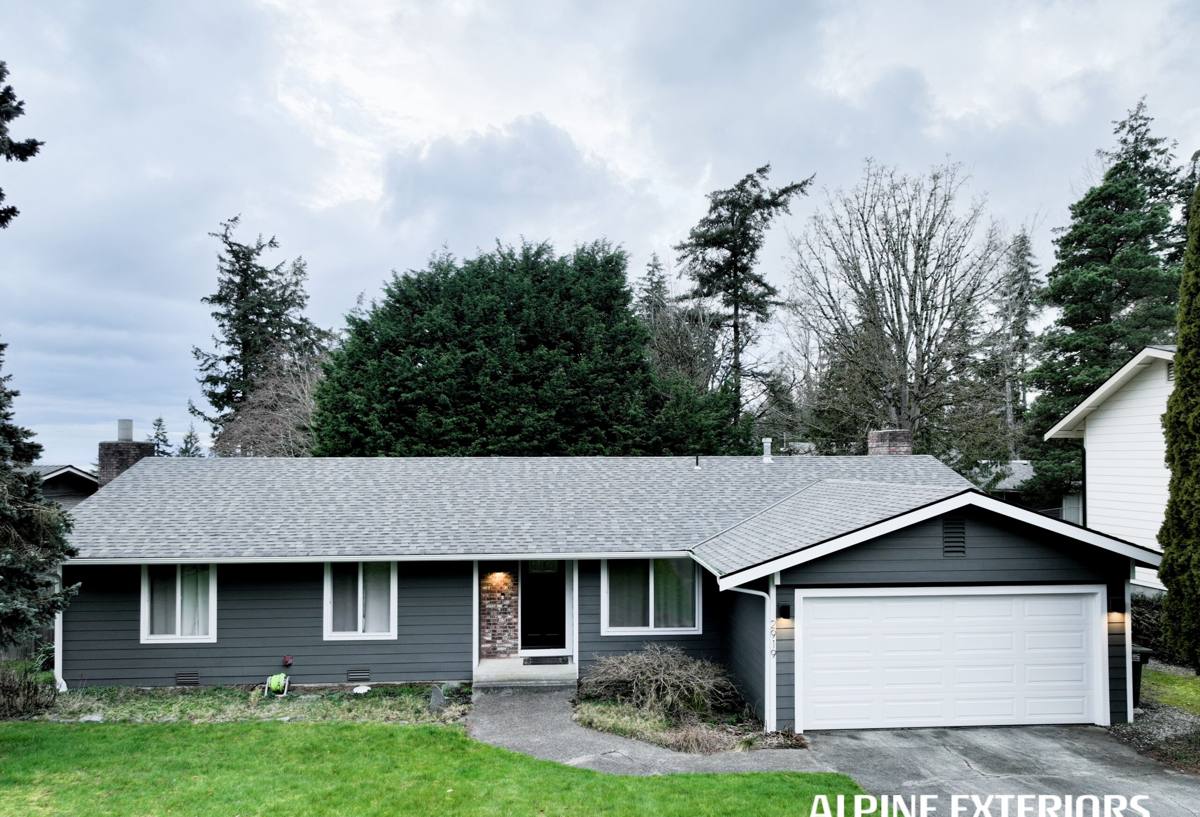
What This Climate Actually Does to Siding Over Time
Wind and Wind-Driven Rain
Pinellas County sees sustained wind events well beyond what most of the country designs for, and Florida's building code reflects that with wind-load requirements most other states don't have. Siding that isn't rated and fastened for local wind zones can lift, crack at the edges, or let water past the seams during a storm — even if the storm itself never reaches hurricane strength. Wind-driven rain is the sneakier problem: it doesn't just fall, it gets pushed sideways and upward into laps, seams, and trim joints that were never designed to shed water from that angle.
UV Exposure
Florida sun is intense and it's constant, not seasonal. Paint finishes that aren't formulated for this exposure chalk, fade unevenly, and start breaking down years ahead of schedule. Once a finish fails, the substrate underneath is exposed directly to moisture and heat cycling, which accelerates every other problem.
Salt Air and Humidity
Even away from the immediate waterfront, salt-bearing air moves inland across Pinellas County and settles on every exterior surface. Combined with the county's high year-round humidity, this creates conditions that are hard on fasteners, trim, and any siding material that absorbs moisture rather than shedding it. Materials that swell, rot, or corrode under sustained humidity are working against the climate from day one.
Why We Standardized on James Hardie for Homes Like These
We install James Hardie fiber cement siding exclusively — not vinyl, not LP SmartSide, not primed wood, not other cement-board brands. That's a deliberate standard, not a default. Fiber cement is non-combustible and dimensionally stable, meaning it doesn't expand and contract with heat and humidity the way vinyl or wood products do, and it doesn't provide fuel the way some composite products can. James Hardie specifically engineers product lines by climate zone — HardieZone HZ5 panels are formulated for exactly the humidity, moisture, and temperature-cycling conditions found here on the Gulf Coast, rather than a one-size-fits-all national formula.
The ColorPlus factory finish matters just as much as the substrate. It's baked on in a controlled facility rather than sprayed or brushed on-site, which gives it far more consistent UV and fade resistance than field-applied paint — and it comes backed by its own finish warranty separate from the product warranty. For a climate that spends most of the year under direct, intense sun, that difference shows up in how the house looks in year ten, not just year one.
We also stand behind the product with a strong transferable warranty structure, which matters to homeowners who plan to sell — a documented, brand-name warranty history is worth something at closing that an off-brand product or a DIY vinyl job isn't.
What a Correct Job Actually Involves
The material is only half the equation. James Hardie siding performs to spec only when it's installed to spec — fastener pattern, clearances, flashing details, and caulking joints all matter, and skipping any of them is exactly how a good product ends up with a bad reputation. A correct installation in this climate includes:
- Proper starter strip and clearance from grade, decks, and roof lines so water has somewhere to go and the bottom edge of the siding never sits in standing moisture
- Correct fastener type, spacing, and embedment depth — under-driven or over-driven fasteners are one of the most common causes of early failure
- Weather-resistant barrier and flashing integrated correctly at every window, door, and penetration, not just caulked over
- Properly sized gaps at butt joints and trim, sealed with a high-quality, paintable, exterior-rated sealant rather than packed tight or left dry
- Panel and trim selection matched to the home's actual wind exposure, not just the cheapest code minimum
Every one of these details is inspectable after the fact, which is exactly why we don't cut corners on them — a job that looks fine from the curb but skipped flashing details is a problem that resurfaces in a few years as water intrusion, usually somewhere it's expensive to open up and fix.
Wind-Driven Rain and Flashing: The Detail Most Installs Get Wrong
| Detail | What Happens If Skipped | What Correct Installation Does |
|---|---|---|
| Window and door head flashing | Water tracks behind trim during wind-driven rain, saturates sheathing over time | Integrated flashing directs water back out over the siding below |
| Butt joint sealing | Joints open up as panels move seasonally, letting water behind the cladding | Correct gap width with quality sealant allows movement without gaps opening |
| Bottom clearance from grade/decks | Wicking moisture, paint failure, and premature edge deterioration | Manufacturer-specified clearance keeps the bottom edge dry |
| Fastener depth | Overdriven fasteners crack the board; underdriven fasteners back out over time | Fasteners set flush per manufacturer spec, checked panel by panel |
Our Process for Pinellas Park Homes
We work this part of Pinellas County regularly, which means the details that slow other crews down are routine for us here: local wind-zone requirements built into every quote, familiarity with the permitting process for this jurisdiction, and a realistic sense of what a Pinellas Park home's exposure actually calls for versus a waterfront property or an inland home further from the bay. That translates into a straightforward process:
- On-site assessment — we look at your home's actual exposure, existing substrate condition, and any moisture or trim issues before quoting
- Written scope and product selection — HZ5 panel line, profile, and ColorPlus color chosen for your home, documented before work starts
- Permitting — pulled and handled correctly for Pinellas Park/Pinellas County, not skipped or assumed
- Tear-off and substrate check — old cladding removed, sheathing and weather barrier inspected and repaired as needed before new siding goes on
- Installation to manufacturer spec — fastening, flashing, and clearances done to the details above, not just "close enough"
- Final walkthrough — trim, caulking, and finish checked with you before we call the job done
What Drives Cost on a Pinellas Park Hardie Job
| Factor | Why It Matters Here |
|---|---|
| Home size and wall complexity | More corners, gables, and trim details mean more cutting, flashing, and labor time |
| Substrate condition | Homes with existing moisture or rot damage need repair before new siding goes on — this is common on older homes in humid climates |
| Panel profile and trim package | Lap width, trim style, and accent details affect both material cost and installation time |
| Access and site conditions | Tight lots, fencing, landscaping, and multi-story sections all add labor |
| Tear-off vs. new construction | Removing and disposing of old siding adds cost versus a new-build install |
We won't quote a number without seeing the home — anyone who gives a firm price over the phone for a fiber cement re-side is guessing. What we can tell you honestly is that fiber cement costs more upfront than vinyl, and that difference is the price of a non-combustible, dimensionally stable material with a factory finish and a real warranty behind it, not a markup for the brand name.
What to Check Before You Hire Anyone for This Job
Fiber cement is less forgiving of installation mistakes than vinyl, and a bad install can void the manufacturer warranty even if the material itself is fine. Before you hire a crew for a James Hardie job in Pinellas Park, it's worth asking:
- Are they a factory-certified or experienced Hardie installer, and can they explain their fastening and flashing approach without hand-waving?
- Do they pull permits themselves, or expect you to handle that?
- Will they inspect and repair substrate/sheathing issues before installing, or just cover them up?
- Do they specify the HZ product line and clearances appropriate for this climate zone, or install the same way regardless of location?
- Is the quote written and itemized, or a vague verbal number?
Why a Crew That Already Works This Area Matters
Siding installation isn't just a product question — it's a local-conditions question. A crew that already works Pinellas Park and the surrounding St. Petersburg area knows the wind-zone requirements that apply here, has already worked with the local permitting process, and has seen how homes in this specific climate age over ten and twenty years — not just how a spec sheet says a product should perform. That experience shows up in the small decisions on a job: how tight to run a gap, where extra flashing is worth the time, which details actually matter for a home that's going to sit through Gulf Coast summers for decades.
If you're weighing a re-side or planning ahead for one, we're happy to come take a look at your home, walk you through what we'd recommend and why, and put together a written, no-pressure estimate — no obligation, just an honest assessment of what your home needs.