 St. Petersburg Siding
 Old Northeast's Older Homes Face a Tougher Climate Than Most
Old Northeast is one of St. Petersburg's oldest and most established residential neighborhoods, built up in the early-to-mid 20th century with a mix of bungalow, Mediterranean Revival, and Colonial Revival homes set under mature oak canopy. That character is a big part of what makes the neighborhood desirable, but it also means a lot of the siding on these homes is original wood, an older generation of vinyl, or a first-generation fiber cement product that's now showing its age.
Pinellas County sits on a narrow peninsula between Tampa Bay and the Gulf, which puts homes here closer to salt air and storm exposure than almost anywhere else in the state. Old Northeast takes the full brunt of that: hurricane-force wind gusts during tropical systems, near-constant UV load for most of the year, wind-driven rain that gets pushed sideways under eaves and around window trim, and a steady, low-grade dose of salt-laden air off the bay. Any one of those is hard on exterior materials. Together, they're a demanding environment for siding — and an unforgiving one for anything that was installed even slightly wrong the first time.
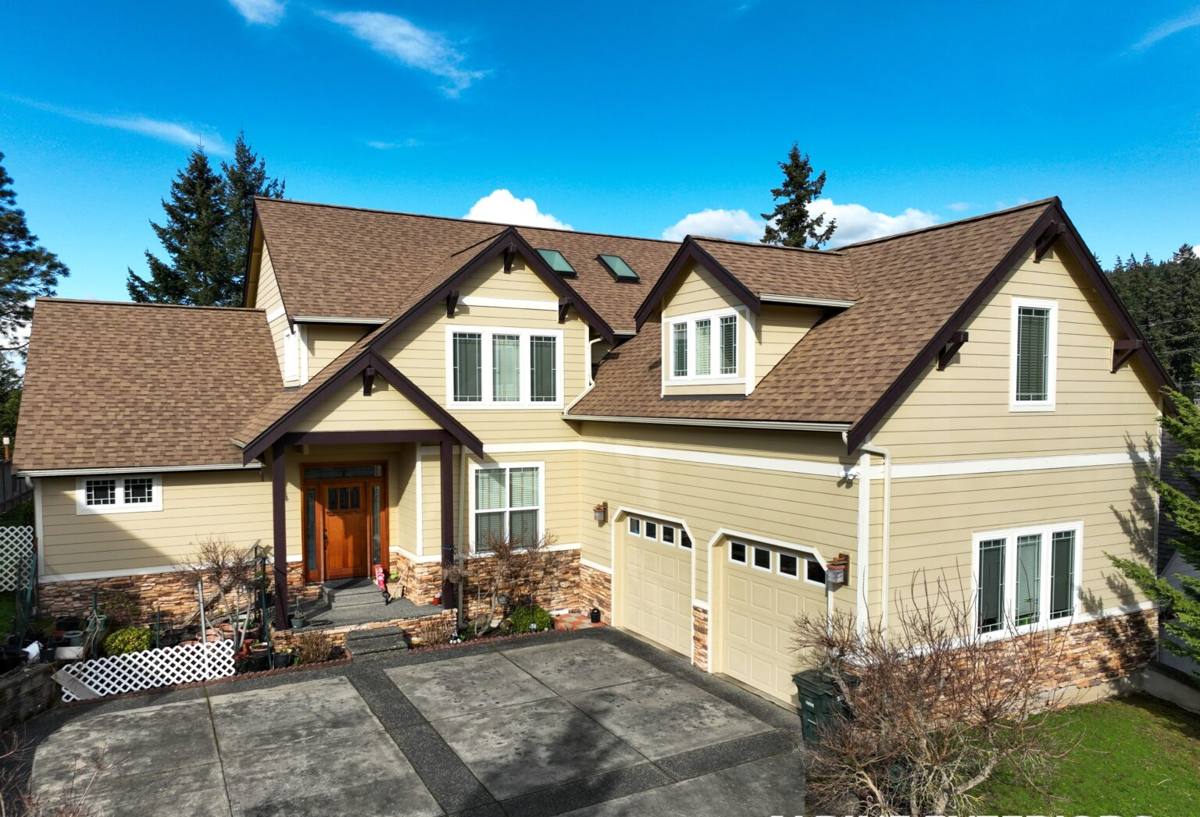
What This Climate Actually Does to Siding Over Time
UV and Heat
Florida sun breaks down pigments and surface coatings faster than almost anywhere in the continental U.S. Paint that would hold its color for a decade up north can chalk, fade, or peel within a few years here, especially on south- and west-facing walls that take direct afternoon sun.
Wind-Driven Rain
Rain in a Gulf Coast storm rarely falls straight down. It comes in sideways, gets forced under trim, around window and door openings, and into any gap or seam that wasn't properly flashed or caulked. Once moisture gets behind a siding panel, it doesn't dry out quickly in Florida's humidity — and that's where rot, mold, and fastener corrosion start.
Salt Air
Even a mile or two inland from Tampa Bay, salt in the air accelerates corrosion of metal fasteners, flashing, and hardware, and it leaves a film on exterior surfaces that holds moisture against the wall longer than plain rainwater would.
Why We Install James Hardie Fiber Cement in This Environment
We install James Hardie exclusively, and Old Northeast is a good example of why. Fiber cement doesn't rot, doesn't feed termites, and won't warp or delaminate the way some engineered wood products can when they take on repeated moisture. Hardie's HZ10 product line is specifically engineered for hot, humid, high-moisture climates like Florida's — it's formulated to resist the freeze-thaw problems that don't apply here, but more importantly to hold up to sustained heat, humidity, and moisture cycling without swelling or cracking. The factory-applied ColorPlus finish is baked on and warranted separately from the substrate, which matters enormously under Pinellas County's UV load: it holds color and resists fading far longer than a field-applied paint job, and it doesn't need repainting on the same schedule ordinary siding does.
None of that replaces good installation. Fiber cement is only as good as the flashing, fastening, and detailing behind it — which is where most of the real work, and most of the real risk, actually lives.
What a Correct Installation Actually Involves
Moisture Management Comes First
Before a single piece of siding goes up, the wall needs a continuous water-resistive barrier, correctly lapped housewrap, and proper flashing at every window, door, and penetration. This is the step that determines whether wind-driven rain stays outside the wall or works its way in behind the siding over the next twenty years. It's also the step that's invisible once the job is done — which is exactly why it has to be done right the first time.
Fastening for Wind Resistance
Pinellas County falls within Florida's wind-borne debris region, and the Florida Building Code sets minimum wind-load requirements for exterior cladding accordingly. James Hardie publishes specific high-wind fastening instructions — fastener type, spacing, and embedment depth — that go beyond the standard installation manual in coastal wind zones. Skipping or shortcutting that spec is one of the most common ways siding fails in a storm, not because the material was wrong, but because the fasteners were.
Gaps, Caulking, and the Details That Get Skipped
Hardie siding needs clearance from rooflines, decks, and hardscaping, and it needs properly sized expansion gaps sealed with the right sealant — not just caulked shut with whatever's on the truck. Field-cut edges need to be sealed before installation, not after. These are small details, but on a peninsula that gets this much wind-driven rain, they're the difference between siding that lasts and siding that lets water in around year three.
Protecting the ColorPlus Finish
Any cut edge exposes raw fiber cement, which needs Hardie's matching touch-up product, not a can of exterior paint from the hardware store. Mismatched touch-up is one of the most common cosmetic mistakes we see on older installs, and it's entirely avoidable.
Matching Hardie's Product Lines to Old Northeast's Architecture
A neighborhood with this much existing architectural character deserves siding that matches it, not just covers it. HardiePlank lap siding, available in different widths and in both smooth and cedarmill textures, is the right base product for most of the bungalow and traditional homes in the area, and it can be specified to match the reveal of the original wood siding it's replacing. HardieShingle is a good fit for gable-end accents on Craftsman-influenced homes. HardieTrim boards handle corner boards, window and door casings, and frieze boards, and matching those trim profiles to what a house already has is often what makes a re-siding job look intentional rather than generic.
Cost Factors Specific to This Kind of Project
We don't quote a number until we've actually looked at the house, but the factors that move a bid up or down in a neighborhood like Old Northeast are fairly consistent:
| Cost Factor | Why It Matters Here | Typical Impact |
|---|---|---|
| Home size and story count | More wall area and more staging/access work on two-story homes | Scales directly with square footage |
| Tear-off complexity | Older Old Northeast homes often have layered siding history or original wood underneath | Can add meaningful labor time |
| Trim and architectural detail | Bungalow and Mediterranean Revival details require matched profiles, not stock trim | Moderate to high depending on style |
| Site access | Mature trees, narrow lots, and close-set houses are common in the neighborhood | Can slow staging and material handling |
| Hidden moisture damage | Florida humidity plus older wall assemblies means rotted sheathing is a real possibility | Priced separately once uncovered during tear-off |
Our Process, Start to Finish
- Free on-site inspection, including a check for moisture damage and existing siding condition
- Measurement and documentation of the home's trim, reveal, and architectural details
- Product, HZ10 line, and ColorPlus color selection matched to the home's style
- Permitting through the City of St. Petersburg or Pinellas County, as applicable
- Removal of existing siding and inspection of the sheathing underneath for hidden damage
- Repair or installation of housewrap and flashing to current moisture-management standards
- Installation of Hardie siding and trim to manufacturer's high-wind fastening specifications
- Final caulking, trim work, and any necessary edge touch-up
- Walk-through with the homeowner and warranty registration
Why a Crew That Already Works in Old Northeast Matters
Installation quality is the single biggest variable in how long siding actually lasts, and that quality depends heavily on a crew's familiarity with the specific conditions they're building into. A crew that has worked this neighborhood before recognizes the hidden-damage patterns common to homes of this age, knows how to stage equipment and protect landscaping on narrow, tree-lined lots, and understands the local permitting process without treating it as a first-time learning curve on your project. That familiarity shows up in fewer surprises during tear-off and a cleaner, more consistent finished job.
Old Northeast is also a designated local historic district. Depending on the scope of exterior work, that can mean architectural review guidelines apply to visible changes. We always recommend checking with the city and, where relevant, the neighborhood association before finalizing color or material choices, and we're glad to help document the specs needed for that review.
Living With Hardie Siding in a Salt-Air Climate
A correctly installed Hardie system is low-maintenance, not no-maintenance. A little routine attention goes a long way toward getting the full lifespan out of it in this environment:
- Rinse the exterior periodically to remove salt film buildup, especially on walls facing the bay or open water
- Inspect caulking at trim joints and around window and door perimeters once a year and after any major storm
- Keep gutters clear so water isn't dumping directly down siding faces
- Trim back vegetation to maintain airflow and reduce moisture traps against the wall
- After any tropical system with sustained high winds, do a visual check for cracked boards, popped fasteners, or lifted trim
- Touch up any exposed cut edges promptly with matching product to prevent moisture wicking into the panel
If your Old Northeast home's siding is original, aging, or just not holding up to St. Petersburg's heat, humidity, and storm exposure the way it should, we're happy to take a look and walk you through what a correct James Hardie installation would involve for your specific house — no pressure, no obligation. Request a free estimate below and we'll set up a time to come out.