 St. Petersburg Siding
 Siding Installation Built for Kenneth City's Climate
Kenneth City sits in the middle of Pinellas County, close enough to the Gulf and Tampa Bay that homes here take on the same weather load as the rest of the St. Petersburg area: long stretches of intense UV, humidity that never really lets up, wind-driven rain during summer storms, and a steady trace of salt air moving in off the water. None of that is dramatic on any single day, but siding sits outside and absorbs all of it, year after year, and the cumulative effect is what determines whether a home's exterior holds up for decades or starts failing in year eight or nine.
For homeowners in Kenneth City, siding installation isn't just a cosmetic upgrade — it's the layer standing between the house and everything Central Florida's climate throws at it. Getting it installed correctly, in a material actually engineered for this climate, matters more here than it would in a drier, milder part of the country.
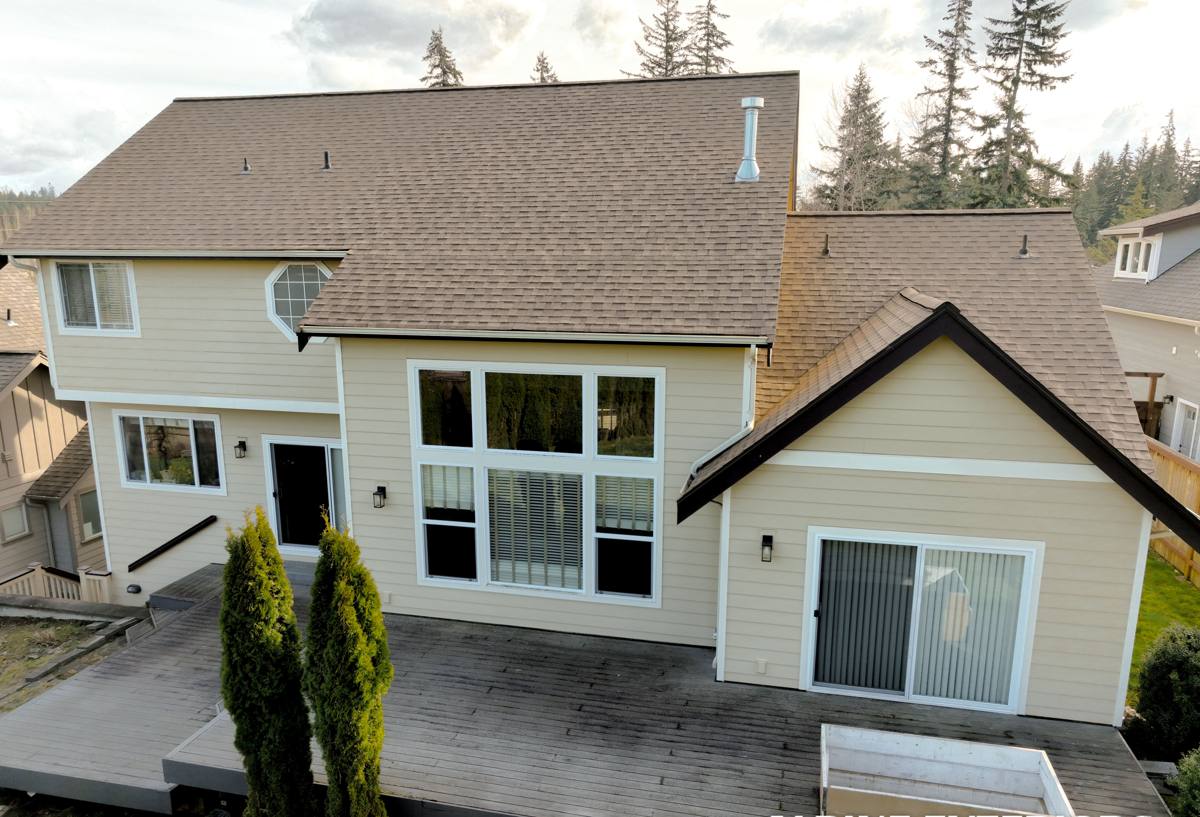
What This Climate Does to Siding Over Time
A few specific stressors show up again and again on homes in this part of Pinellas County:
- UV exposure: Florida sun is intense nearly all year. Paint films and lower-grade siding finishes chalk, fade, and break down faster here than in most of the country.
- Humidity and moisture cycling: Siding that traps or absorbs moisture stays damp longer in Gulf Coast humidity, which accelerates rot, swelling, and paint failure on wood-based products.
- Wind-driven rain: Summer storms and tropical systems don't just drop rain straight down — they push it sideways, into seams, laps, and fastener points that weren't properly sealed or flashed.
- Salt air: Even a few miles inland from the bay, airborne salt accelerates corrosion on fasteners and trim, and it can degrade certain finishes over time.
- Wind load: This part of Florida is built to hurricane-resistant wind standards, and siding has to be installed to hold up under sustained high wind, not just look good on a calm day.
Any siding product can be marketed as weather-resistant. The real test is how it performs after ten or fifteen Florida summers, and that comes down to both the material itself and how precisely it was installed.
Signs Kenneth City Homeowners Should Watch For
Siding failure in this climate rarely happens all at once — it shows up gradually, and by the time it's obvious, moisture has usually already gotten behind the surface. Common warning signs include:
- Visible cracking, buckling, or warping in panels or lap boards
- Paint that's peeling, bubbling, or chalking heavily to the touch
- Soft or spongy spots, especially near the bottom courses and around window and door trim
- Gaps opening up at seams, corners, or where siding meets trim
- A musty smell or visible staining on interior walls that back up to exterior siding
- Rising energy bills that suggest the exterior envelope isn't sealing the way it should
Catching these early usually means a more contained repair. Waiting means the sheathing underneath may already be compromised, which turns a siding job into a bigger structural repair.
What a Correct Siding Installation Actually Involves
Siding is a system, not just a decorative panel nailed to the wall. A correct installation in this climate involves several layers working together:
Moisture management underneath the siding
A properly installed weather-resistant barrier goes on before any siding, giving the wall a secondary line of defense if wind-driven rain ever gets past the outer layer. This step gets skipped or rushed more often than homeowners realize, and it's invisible once the job is done — which is exactly why it has to be verified during installation, not assumed.
Flashing at every vulnerable point
Windows, doors, roof lines, and any wall penetration need flashing detailed correctly so water is directed out and away from the wall assembly, not channeled behind the siding. This is the single most common source of long-term siding failures we see, and it's a workmanship issue, not a material issue.
Proper fastening and clearances
Fastener spacing, type, and depth all affect how siding performs in high wind. Siding also needs the correct clearance from grade, roof lines, and decks so it isn't sitting in standing water or trapped moisture. In coastal air, using corrosion-resistant fasteners isn't optional.
Correct joints and caulking
Seams and butt joints need to be treated correctly for the specific product being installed — some manufacturer systems call for sealant at joints, others don't, and using the wrong approach can trap moisture instead of shedding it.
Why We Install Only James Hardie Fiber Cement
We made a decision as a company to install one siding system: James Hardie fiber cement. We don't install vinyl, LP SmartSide, primed wood, or other fiber cement brands, and that's a deliberate standard, not a lack of options.
Non-combustible and dimensionally stable
Fiber cement doesn't expand, contract, warp, or rot the way wood-based siding can, and it holds up to sustained heat and UV exposure without the softening or degrading that engineered wood products can experience in hot, humid climates. It's also non-combustible, which matters to a lot of homeowners regardless of climate.
HZ5 product line, engineered for this exact climate
James Hardie makes climate-specific formulations, and the HZ5 line is engineered for hot, humid, high-moisture regions like the Gulf Coast — including the added resistance to moisture and humidity cycling that Pinellas County homes deal with year-round.
ColorPlus factory finish
Rather than field-painted siding that starts fading and chalking under Florida sun within a few seasons, Hardie's ColorPlus finish is baked on at the factory and backed by its own finish warranty. It holds color and resists UV breakdown significantly better than standard field-applied paint.
A strong, transferable warranty
James Hardie backs its siding with a long-term limited warranty that's transferable to a future homeowner — a real factor if the home is ever sold, and a sign of how the manufacturer expects the product to perform over decades, not just years.
We're upfront that other products have their own selling points — lower upfront material cost, lighter weight, easier DIY handling. Those are legitimate trade-offs for some homeowners in some climates. But for what this region does to an exterior year after year, we don't think they hold up as well, and we'd rather stand behind one system we trust completely than install several we have reservations about.
Comparing Siding Approaches for This Climate
| Factor | James Hardie Fiber Cement | Vinyl | Engineered Wood (e.g. LP SmartSide) |
|---|---|---|---|
| UV/fade resistance | Strong — factory ColorPlus finish | Moderate — can fade/chalk over time | Depends on paint upkeep |
| Moisture/humidity performance | Strong — engineered HZ5 line for humid climates | Doesn't rot, but can warp in heat | Vulnerable if moisture gets behind panels |
| Wind performance | Rated for high-wind installation when installed to spec | Can crack or blow off in high wind | Depends on installation and fastening |
| Maintenance | Low — factory finish, no repainting cycle for years | Low, but limited repair options | Higher — repainting and sealing needed periodically |
| Fire resistance | Non-combustible | Combustible | Combustible |
| Warranty | Long-term, transferable | Varies by manufacturer | Varies, often shorter on finish |
Our Installation Process for Kenneth City Homes
The process is straightforward, but we don't shortcut any step:
- On-site assessment: We look at the current siding, sheathing condition, trim, and any moisture or ventilation issues before quoting anything.
- Removal and inspection: Once old siding comes off, we check the sheathing underneath for hidden rot or moisture damage before anything new goes on.
- Weather barrier installation: A correctly lapped, sealed moisture barrier goes over the sheathing.
- Flashing details: Windows, doors, and penetrations get flashed to direct water out, not in.
- Hardie siding installation: Panels or lap siding go on with correct fastener spacing, clearances, and joint treatment per manufacturer spec.
- Trim, caulking, and final inspection: Every seam, corner, and penetration gets checked before we call the job done.
Choosing a Siding Contractor in Kenneth City
Because so much of what makes siding perform well is hidden once the job is finished — the barrier, the flashing, the fastening — the contractor's actual installation habits matter more than almost anything else in the decision. Before hiring anyone for a siding project in Kenneth City or elsewhere in Pinellas County, it's worth checking:
- Are they licensed and insured to do exterior/siding work in Florida?
- Do they install to the manufacturer's specific installation instructions for wind zone and climate, not just "however it's always been done"?
- Will they explain what moisture barrier and flashing approach they use, in plain terms, before work starts?
- Do they have experience with the specific product they're proposing — not just siding in general?
- Is the warranty (manufacturer and workmanship) explained clearly and in writing?
- Do they give a written estimate with no pressure to sign on the spot?
Timeline and Cost Factors
Every home is different, but the main variables that affect both timeline and cost on a Kenneth City siding project are: the size and complexity of the home's exterior (stories, trim detail, roofline intersections), the condition of the sheathing underneath the existing siding, whether extensive trim or moisture-barrier repair is needed before new siding goes on, and the specific Hardie product and finish selected. A straightforward single-story home typically moves faster than a home with a lot of dormers, trim detail, or hidden moisture damage that needs to be addressed first.
We'll never know the real cost factors for your home until we've actually looked at it — that's why we walk the exterior in person rather than quoting off a phone call.
If you're weighing a siding replacement in Kenneth City or elsewhere in the St. Petersburg area, we're happy to come take a look, explain what we're seeing, and put together a free, no-pressure estimate using the form below.