 St. Petersburg Siding
 Storm Damage Roof Repair for Historic Old Southeast
Historic Old Southeast is one of St. Petersburg's older residential neighborhoods, built out mostly in the early-to-mid 20th century with bungalows, Mediterranean Revival cottages, and other period homes under a mature tree canopy. That combination — older roof framing, decades of re-roofs layered on top of original decking, and big oaks overhead — means storm damage here rarely looks like storm damage on a five-year-old subdivision roof. We work on these roofs regularly and know what to look for, what's normal wear versus what a storm actually broke, and how to make a repair that holds up through the next system without overcorrecting or underselling the damage.
This page covers storm damage roof repair specifically for homes in this neighborhood — what Pinellas County's climate does to older roofs, what a correct repair actually involves, and how our process works from first look to final sign-off.
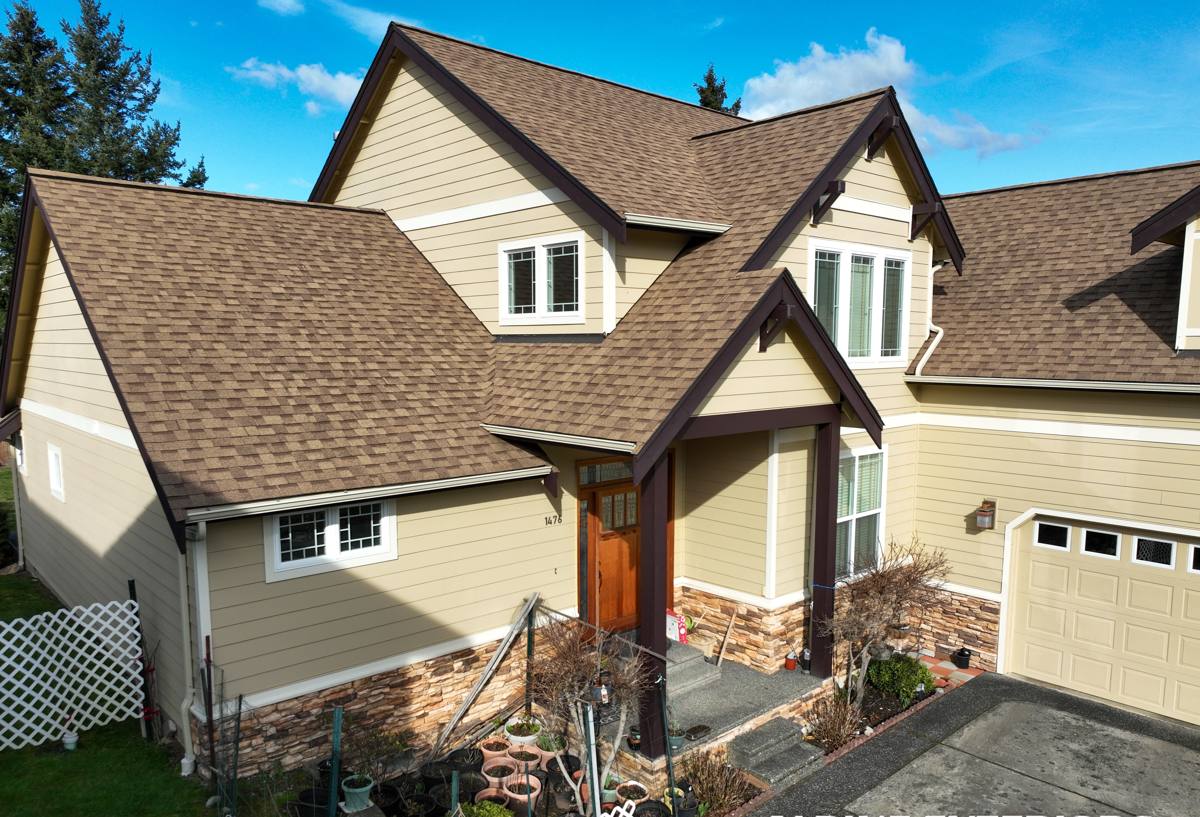
Why Historic Old Southeast Roofs Take a Different Kind of Beating
Mature Tree Canopy and Wind-Driven Debris
The tree canopy that makes this neighborhood shady and walkable is also the thing that puts limbs, branches, and constant leaf and pollen debris on the roof every time wind picks up. During a tropical storm or hurricane, that same canopy becomes a source of impact damage — falling limbs can crack tile, puncture shingles, and tear off ridge caps that a canopy-free roof a mile away never has to deal with. Even outside of named storms, routine thunderstorm winds off Tampa Bay keep debris moving across these roofs year-round, which accelerates wear on flashing and shingle edges.
Older Roof Decking and Original Framing
A lot of homes in this part of St. Petersburg have gone through one or more re-roofs over the decades, sometimes with newer shingle layers installed over older decking that was never fully inspected in between. That's not automatically a problem, but it means storm damage can expose issues that predate the storm itself — soft decking, undersized ventilation, or flashing details that were adequate when they were installed but don't meet current wind-uplift expectations. A repair that only addresses the visible damage without checking what's underneath is a repair that fails again in the next event.
What Storm Damage Actually Looks Like on These Roofs
Wind Damage
Hurricane-force and near-hurricane gusts don't have to peel off a whole roof section to cause a real problem. Lifted or missing shingle tabs, cracked or slipped tile, torn ridge cap, and bent or detached flashing at valleys and chimneys are the most common findings after a wind event here. Once the seal strip on a shingle is broken, that shingle is vulnerable to the next storm even if it looks intact from the ground.
Wind-Driven Rain and Hidden Leaks
St. Petersburg storms rarely come straight down — wind-driven rain gets pushed sideways under shingle edges, through gaps in old flashing, and around vent boots that have hardened and cracked with age. This is the damage that doesn't show up as a stain on the ceiling until weeks later, after water has already been tracking through the attic and soaking insulation and decking. It's also the most commonly missed damage type in a rushed, storm-chaser-style inspection.
UV and Salt Air Wear That Sets Up Storm Damage
Pinellas County gets intense year-round sun, and being close to Tampa Bay and the Gulf adds a steady dose of salt air into the mix. Both of those dry out and embrittle roofing materials over time — asphalt shingles lose granules and flexibility, rubber vent boots crack, and metal flashing and fasteners corrode faster near the water than they would inland. A roof that's already UV-brittle or salt-corroded fails in a storm at wind speeds a newer roof would shrug off, which is why two homes hit by the same storm can end up with very different amounts of damage.
What a Correct Storm Damage Repair Involves
A proper storm repair isn't just replacing what's obviously missing. It's a full check of the roof system so the repair holds and doesn't leave a hidden problem for the next storm season. Every storm damage repair we do covers:
- Full roof inspection, not just the damaged section — storms often cause secondary damage that isn't visible from the ground
- Decking check underneath any removed shingles or tile to confirm it's still sound and hasn't taken on water
- Flashing inspection at all valleys, walls, chimneys, and penetrations, since flashing failure is the most common source of leaks after a storm
- Matching replacement materials as closely as possible in profile, color, and manufacturer where the existing roof is still under warranty or has remaining service life
- Proper fastening to current wind-resistance practice, not just replicating whatever was there before
- Ventilation check, since blocked or damaged ridge and soffit vents contribute to both moisture problems and shortened roof life
- Written documentation of the damage found and the repair performed, useful for your records and for insurance if you're filing a claim
Historic District Considerations for Roof Repair
Homes in Historic Old Southeast can fall under architectural review depending on the property and the scope of work, particularly for anything visible from the street. For most storm damage repairs — replacing damaged shingles or tile in kind, repairing flashing, patching a section of roof — this typically isn't a major hurdle, since like-for-like repair is usually treated differently than a full re-roof or a material change. We factor this into the estimate and the plan up front rather than surprising you with it after work has started, and we'll flag it clearly if your specific repair looks like it needs a heads-up to the city before we proceed.
Our Storm Damage Repair Process
1. Inspection and Documentation
We walk the full roof (not just the area you're worried about), photograph and document what we find, and give you a clear, honest read on what's storm damage versus what's pre-existing wear. If you're planning to file an insurance claim, this documentation is written to be usable for that purpose.
2. Temporary Protection
If there's active or likely leaking, we get the roof dried in — tarping or temporary sealing — before anything else, so you're not taking on more interior damage while repairs are scheduled.
3. Scope and Estimate
You get a written scope of what needs to happen and why, with options where they genuinely exist (repair versus partial re-roof versus full replacement) instead of being upsold into the biggest job on the list.
4. Repair
We match materials where the existing roof warrants matching, replace what's damaged, correct any flashing or ventilation issues found during inspection, and confirm the repair meets current wind-resistance fastening standards.
5. Final Walkthrough and Warranty Paperwork
We walk the finished repair with you, explain what was done, and provide the paperwork on materials and workmanship coverage so you have a record on file.
Repair Versus Replacement: Cost Factors
Not every storm-damaged roof needs to come off. The table below covers the main factors that push a job toward a targeted repair versus a fuller re-roof.
| Factor | Favors Repair | Favors Replacement |
|---|---|---|
| Extent of damage | Isolated section (one slope, one valley, a few shingles/tiles) | Damage spread across multiple slopes or the whole roof |
| Roof age | Roof is under 10-12 years old with remaining service life | Roof is near or past its expected lifespan already |
| Decking condition | Decking underneath is dry and sound | Decking shows rot, soft spots, or repeated water intrusion |
| Material availability | Matching material is still available | Discontinued material means visible mismatch on a repair |
| Insurance scope | Adjuster scope supports a repair | Adjuster scope or code (like a high percentage of roof damaged) triggers full replacement |
We'll tell you honestly which side of this table your roof falls on. A repair that's genuinely enough is the right answer more often than a full replacement, and we'd rather do the smaller job correctly than push a bigger one you don't need.
Insurance and Documentation
If you're filing a homeowner's insurance claim for storm damage, documentation quality matters as much as the repair itself. We provide dated photos, a written description of the damage and its likely cause, and a scope of repair that an adjuster can work from. We're happy to meet an adjuster on site if that's useful, and we can explain, in plain terms, what we found and why it's storm-related rather than pre-existing wear — that distinction is often the difference between a claim getting approved or denied.
Why a Crew That Already Works Historic Old Southeast Matters
Roofing crews who don't normally work in this neighborhood often don't know what's typical here — the layered re-roof history, the tree canopy exposure, the historic district's approach to visible repairs, or how salt air off Tampa Bay ages materials differently than it does further inland. That unfamiliarity shows up as either over-scoped repairs (replacing more than the storm actually damaged) or under-scoped ones (missing flashing or decking issues that surface as a leak months later). A crew that already works this area brings that context into the first inspection instead of learning it on your roof.
After a hurricane or major wind event, St. Petersburg sees a wave of out-of-town and storm-chasing crews going door to door. We're not that. We're here before the storm and after it, and the repair we do on your roof this year is one we'll stand behind if you call us back next year.
If your roof took a hit this storm season, we're glad to come out, take an honest look, and walk you through exactly what we find — no pressure, no upsell, just a clear estimate and a straight answer on repair versus replacement. Use the form below to request your free estimate.