 St. Petersburg Siding
 Why Seminole Siding Takes a Beating
Seminole sits close enough to the Gulf that homes here deal with a different set of stresses than most siding was ever designed to handle. Wind-driven rain off the water finds every gap in a wall system that a calmer inland climate would never test. Salt air corrodes fasteners, trim, and unprotected edges faster than dry inland exposure ever would. Florida sun is relentless twelve months a year, and that constant UV load breaks down pigments, softens some materials, and bakes caulk joints brittle years before a homeowner up north would notice the same wear. Add the wind-load requirements that come with living in a hurricane-prone stretch of Pinellas County, and you have a climate that separates siding installed correctly from siding that only looks fine on install day.
We've worked on homes throughout this part of St. Petersburg long enough to see which siding jobs hold up a decade in and which ones start failing at the seams, sometimes literally, within two or three storm seasons. The difference is almost never the brand of material on the wall. It's almost always the details of how that material was installed, flashed, and fastened.
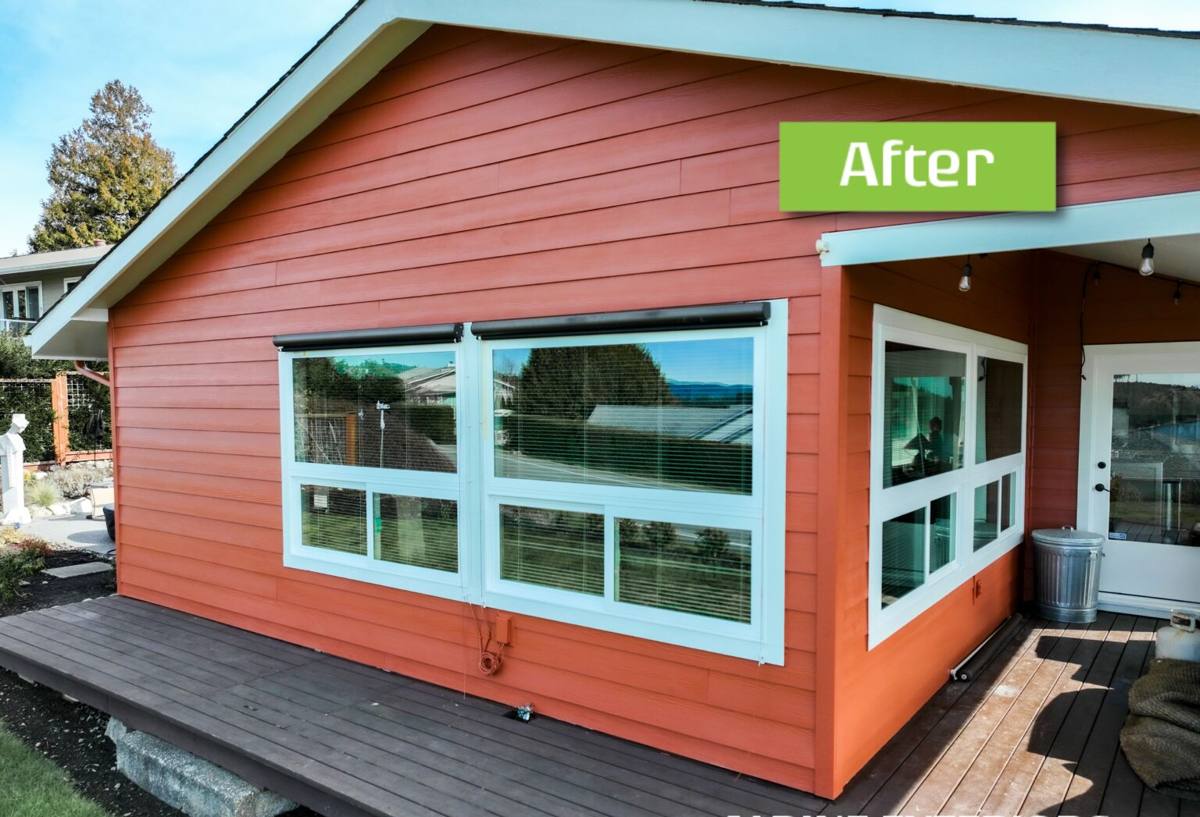
What Correct Fiber Cement Installation Actually Involves
Water Management Comes First
Fiber cement siding is water resistant, not waterproof, and the system built around it is what actually keeps a home dry. That means a weather-resistant barrier installed correctly behind the siding, flashing at every window, door, and roofline penetration, and butt joints that are either flashed or sealed to manufacturer specification. Skip any one of these steps and you've built a path for wind-driven rain to get behind the cladding, where it can sit against sheathing and framing for months before anyone notices a problem from the curb.
Fastening for Coastal Wind Loads
Pinellas County's building code accounts for high design wind speeds, and fastener spacing, type, and placement on a fiber cement job are not optional details. They're what keeps the siding attached to the house in a tropical storm or worse. Hand-driven fasteners at the correct spacing, corrosion-resistant fastener types rated for coastal exposure, and the manufacturer's specific nailing pattern for the product line all matter more here than they would in a low-wind inland market.
Clearance and Ventilation
Fiber cement siding needs minimum clearance from grade, roofing, decks, and any abutting horizontal surface so water sheds away from the bottom edge instead of wicking into it. It also needs a small gap behind the panel so the wall assembly can dry out if moisture ever does get behind it. In a humid Gulf Coast climate, a wall that can't dry is a wall that eventually grows problems no one can see from the driveway until the damage is already extensive.
Why This Crew Installs Only James Hardie
We made a decision early on to install one fiber cement system: James Hardie. Not because other fiber cement products can't be installed correctly by someone, but because we'd rather be excellent at one system than average across several. Hardie's boards are non-combustible, engineered for specific climate zones rather than a one-size-fits-all formula, and finished with a factory-applied ColorPlus coating baked on under controlled conditions rather than sprayed on site at the mercy of that day's weather. That factory finish matters here, where UV exposure is intense and a field-applied paint job is only as good as the humidity and temperature the day it went on.
We also value that Hardie's warranty is well documented and transferable, which matters to homeowners in this market who may sell within a decade or two of installing new siding. A warranty a buyer's inspector can't easily verify doesn't do much for resale value.
HardieZone HZ10: Engineered for This Climate
James Hardie builds its siding for specific climate zones instead of a single national formula. Homes in Pinellas County fall in the HZ10 zone, which covers the humid, high-moisture Gulf Coast. HZ10 products are formulated to resist the humidity, mold and mildew pressure, and sustained UV exposure that define our climate, rather than the freeze-thaw cycling that drives siding design in colder regions. Installing a product engineered for a different climate zone on a Seminole home is a mismatch that shows up years down the road, not on day one, which is exactly why it's worth asking any contractor which climate-zone product they're actually proposing.
Matching the Right Profile to Seminole's Homes
Seminole's housing stock leans toward single-story ranch homes and low-slung mid-century construction, with newer two-story infill mixed in. Lap siding remains the most common choice because it reads as traditional siding and works with almost any trim package, but panel siding shows up on accent walls, gables, and more modern facades where a cleaner, less-shadowed look is the goal. Board-and-batten profiles are popular on porch gables and dormers for the same reason. None of these choices change the underlying water management or fastening requirements, but they do change trim details, so it's worth deciding on a look before the estimate is finalized rather than after material has already been ordered.
Siding Material Comparison for Pinellas County Homes
Homeowners researching siding options in this area typically compare fiber cement against vinyl and engineered wood products. Here's how they stack up against the specific demands of our climate.
| Factor | James Hardie Fiber Cement | Vinyl Siding | Engineered Wood Siding |
|---|---|---|---|
| Wind resistance | Rated for high-wind installation when fastened to spec | Can deform or detach under sustained high wind | Adequate when installed correctly, less mass than fiber cement |
| Salt air and humidity | Engineered HZ10 formulation for Gulf Coast moisture | Does not absorb moisture but can grow brittle in constant sun | Wood-based core is vulnerable to swelling if moisture reaches it |
| UV and color stability | Factory ColorPlus finish resists fading | Colors can fade and chalk under intense sun | Field-applied paint fades faster than a factory finish |
| Fire resistance | Non-combustible | Combustible, can melt or warp near heat sources | Combustible |
| Ongoing maintenance | Periodic caulk and trim upkeep, infrequent repainting | Low maintenance but limited repair options once damaged | Requires diligent moisture management and repainting |
Our Process, Start to Finish
Every Seminole project follows the same sequence, whether it's a single-wall repair or a full re-side.
- On-site inspection of existing siding, trim, and sheathing, including any visible moisture or storm damage, with notes shared directly with the homeowner
- A written estimate that specifies product line, profile, color, fastener type, and flashing details rather than a single lump-sum number
- Removal of old siding and inspection of the sheathing underneath, since fiber cement performs only as well as what it's fastened to
- Repair of any compromised sheathing or framing discovered once the old siding is off the wall
- Installation of the weather-resistant barrier, flashing, and starter strips before a single course of new siding goes up
- Hardie installation following the manufacturer's fastening pattern and clearance specifications for our wind zone
- A final walkthrough with the homeowner to review the completed work before we consider the job finished
Cost Factors for a Seminole Fiber Cement Project
Every home is different, and we don't quote a project sight unseen, but the factors that move a fiber cement estimate up or down are consistent from job to job.
- Total square footage of siding and the number of stories on the home
- Condition of the existing sheathing once the old siding comes off
- Amount of trim, corner detail, and architectural features the crew has to work around
- Product line and profile selected, since lap, panel, and shingle-style siding carry different material costs
- Whether the project is a full re-side or a targeted repair to one wall or elevation
- Site access, including landscaping, fencing, or setbacks that affect staging and cleanup
We'd rather walk a property and give an honest number than quote a range that falls apart once we see the actual condition of the walls.
Why a Crew That Already Works Seminole Matters
Siding installation is local work in a way a lot of home improvement is not. A crew that already works this part of St. Petersburg knows the wind-zone requirements Pinellas County inspectors check for, has already been through the permitting process in this jurisdiction, and has a feel for how salt air and sun exposure on a given street tend to age a house over time. That familiarity shows up in small decisions on the job site, like where to add extra flashing, which corners tend to take the worst weather, and how tight to run caulk joints given our humidity, that a crew unfamiliar with the area might never think to make.
It also matters after the job is done. A local crew is still around if a question comes up two or three years later, which isn't something you can count on with an outfit that drove in from out of the region for a single project and never came back.
Caring for Your Siding After Installation
Fiber cement is low-maintenance, not no-maintenance. A little attention keeps it performing the way it's supposed to for decades.
- Rinse the exterior periodically to clear salt residue and airborne debris, especially on sides of the home facing prevailing wind
- Inspect caulk joints around windows, doors, and trim annually, and re-caulk at the first sign of cracking or separation
- Keep landscaping trimmed back from the siding so foliage isn't holding moisture against the surface
- Watch for chalking or fading on the factory finish, which can signal it's time to talk about a ColorPlus recoat down the road
- After major storms, walk the exterior and check for loose panels, damaged corners, or impact debris that should be addressed before the next system rolls through
If you're weighing siding options for a home in Seminole or elsewhere in the St. Petersburg area, we're glad to take a look and give you a straight answer about what your walls actually need. The estimate is free, there's no pressure to sign anything on the spot, and you'll walk away with a clear picture of the work and the cost either way.