 St. Petersburg Siding
 Window Installation Built for Coquina Key's Waterfront Exposure
Coquina Key sits on a peninsula in southeast St. Petersburg, surrounded by canals on three sides. That location is part of what makes the neighborhood desirable, and it's also exactly why windows here work harder than windows a few miles inland. Salt-laden air off the canals and Tampa Bay attacks metal hardware and frame seams year-round. Afternoon sun bakes seals and vinyl through long, humid summers. And when a tropical system tracks through Pinellas County, canal-front homes take wind-driven rain from multiple directions with almost nothing to break it up. A window that's a fine choice in a shaded, inland subdivision can underperform fast in Coquina Key.
We install windows across St. Petersburg, but a job in Coquina Key gets sized and specified with that waterfront exposure in mind from the first visit — not treated as a generic replacement.
What Coquina Key's Housing Stock Actually Needs
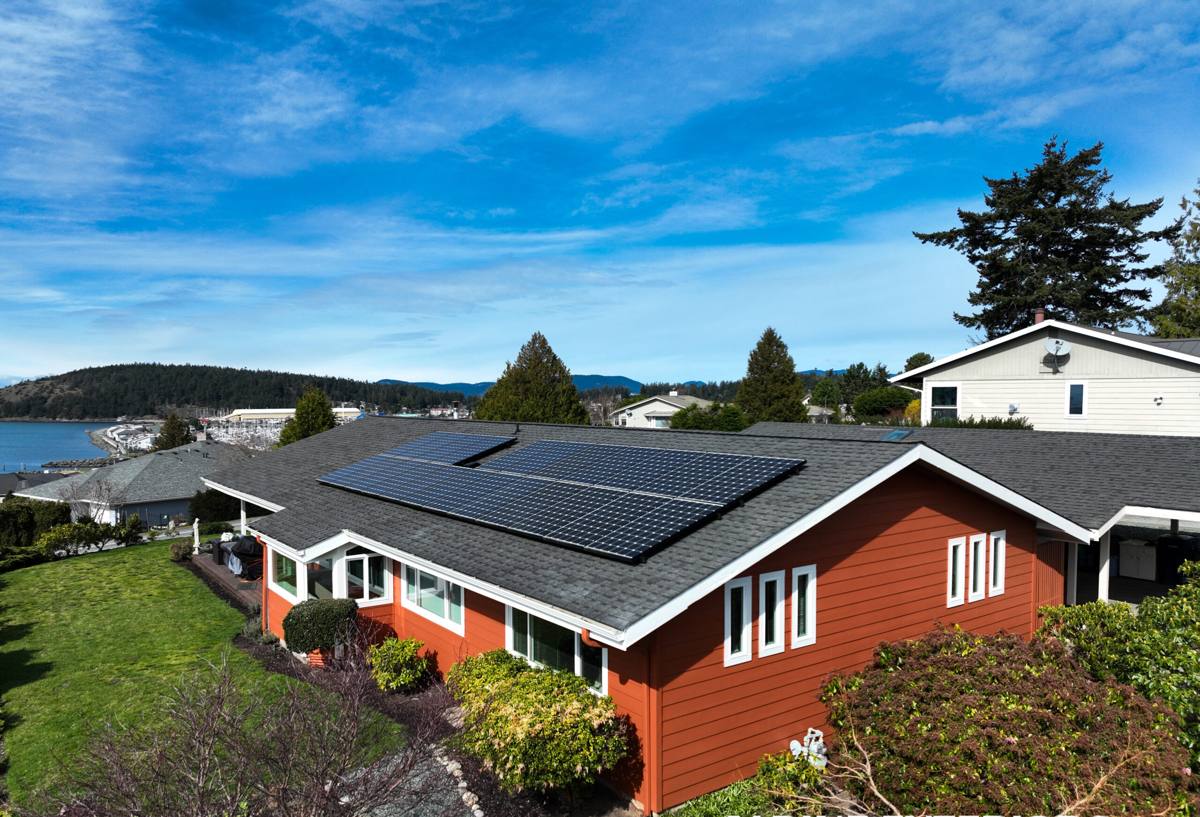
Most homes in this neighborhood date to the 1960s and 70s canal-development boom — single-story, concrete block construction, many still carrying their original aluminum single-pane windows or an early-generation replacement installed decades ago. That combination creates a few recurring problems we see on almost every job:
- Original aluminum frames that have pitted or corroded from salt exposure, even if the glass itself still looks fine
- Old glazing putty or dried-out sealant that has shrunk and cracked, letting wind-driven rain track in during storms
- Openings that have shifted slightly as block homes settle over 50+ years, so a modern window won't just drop into the old rough opening without adjustment
- No impact rating on original windows, meaning storm prep still depends on shutters or plywood every season
None of that is unusual for a home this age — it's just the starting point we plan around.
Single-Story Block Construction Changes the Job
Because most Coquina Key homes are single-story block, window openings are typically straightforward to access, which helps keep labor time down. But block construction also means the window buck and anchoring method matter more than they would on wood-frame construction — fasteners need to bite into masonry correctly, and the opening needs proper flashing and sealant at the block interface, not just at the frame itself. Get that step wrong and you get leaks at the sill years later, even with a good window installed.
Impact Windows vs. Standard Replacement Windows
For a canal-front home, this is the central decision. Both options are legal and both get installed regularly in St. Petersburg — the right answer depends on your storm plan, budget, and how much you want to think about shutters every hurricane season.
| Factor | Impact-Rated Windows | Standard Windows + Shutters/Panels |
|---|---|---|
| Upfront cost | Higher per opening | Lower window cost, plus recurring shutter/panel cost |
| Storm prep effort | None — stays in place year-round | Manual install/removal before and after every storm |
| Everyday noise/UV reduction | Noticeably better, all year | No benefit except during storm prep |
| Insurance premium impact | Often reduces wind mitigation premium | Depends on shutter type and documentation |
| Daily appearance | No visible change to the home | Shutters/panels add visible hardware |
| Maintenance | Frame and seal upkeep only | Both window and shutter hardware need upkeep |
We'll walk you through both honestly. Plenty of Coquina Key homeowners choose standard windows paired with panels to manage cost, and that's a legitimate approach — the point is making the choice with real numbers in front of you, not guessing.
Code, Wind Zone, and Permitting Realities
Pinellas County isn't in the state's High-Velocity Hurricane Zone (that designation applies to Miami-Dade and Broward), but St. Petersburg still falls under Florida Building Code wind-load requirements tied to your specific wind speed zone, and canal-front and near-coastal properties are generally rated for higher design wind pressures than inland ones. In practice, that means:
- Replacement windows need a product approval (an NOA or Florida Product Approval number) matching your home's required wind pressure rating
- A permit is required for window replacement in St. Petersburg — this isn't optional or a formality we skip to save time
- Inspections happen at defined points in the process, and a job that isn't permitted and inspected can create real problems at resale or with insurance claims later
We pull permits, schedule inspections, and handle the paperwork as part of the job — you shouldn't have to manage county requirements on top of hosting a construction crew.
How We Handle a Coquina Key Window Installation
1. On-Site Assessment and Measurement
We measure every opening individually — on a 50-plus-year-old block home, openings are rarely perfectly uniform, and assuming they are leads to bad fits. We also check for existing water intrusion, sill condition, and whether the buck needs repair before a new window goes in.
2. Product Selection
We go over frame material, glass package, and impact rating against your budget and storm plan, and confirm the product carries approval for your required wind rating before it's ordered.
3. Permitting
We file the permit with the city and schedule the required inspections before work begins.
4. Removal and Opening Prep
Old windows come out carefully to avoid damaging the surrounding block or stucco. Any deteriorated sill, buck, or masonry gets addressed here — this is the step that gets skipped by rushed jobs and causes leaks two years later.
5. Flashing, Sealing, and Setting the Window
Proper flashing and a continuous sealant bead at the block interface are what actually keep wind-driven rain out during a storm — the window itself is only half the system. We shim and fasten to manufacturer spec, not by eye.
6. Finish and Inspection
Interior and exterior trim gets finished, the opening is cleaned up, and the job is signed off by city inspection before we call it done.
Frame Material and Glass Choices That Make Sense Here
Salt air and constant UV narrow down what actually holds up on a canal-front property:
| Frame Material | How It Handles Coquina Key's Climate |
|---|---|
| Vinyl | Doesn't corrode from salt air; good UV-stable formulations resist fading and warping |
| Aluminum | Strong and slim-profile, but needs a marine-grade or coated finish here to resist pitting from salt exposure |
| Fiberglass | Very stable in heat and humidity, higher upfront cost, minimal maintenance |
On glass, laminated impact glass with a Low-E coating is the combination we recommend most in this neighborhood — the lamination is what gives impact resistance, and the Low-E coating cuts UV transmission and heat gain, which matters through a Florida summer regardless of storm rating.
Mistakes We See From Rushed or Out-of-Area Installers
- Skipping proper flashing because "the caulk will handle it" — caulk alone fails under wind-driven rain
- Reusing a deteriorated buck instead of repairing it, so the new window is only as good as a bad substrate
- Installing a window rated for the wrong wind zone because the crew didn't check local requirements
- Working without a permit, which can surface as a problem at resale or with an insurance claim
- Fastening on a generic schedule instead of what the specific product's approval requires
None of these show up on the day of installation. They show up during the next hard rain or the next storm — which is exactly when you don't want to find out.
What Drives Cost on a Coquina Key Job
| Cost Factor | Why It Matters |
|---|---|
| Number and size of openings | More and larger windows mean more material and labor |
| Impact vs. standard glass | Impact-rated laminated glass costs more per unit than standard |
| Frame material | Fiberglass and coated aluminum run higher than standard vinyl |
| Opening condition | Deteriorated bucks or sills add repair time before install |
| Permit and inspection fees | Set by the city, included in your project cost |
We give a written estimate broken down by these factors so you can see exactly where the cost is coming from — not a single lump number with no explanation.
A Quick Checklist Before You Hire
- Confirm the contractor is licensed and insured in Florida, and ask to see it
- Ask which wind-load rating your specific home requires and confirm the proposed product carries that approval
- Get the permit process spelled out in writing — who pulls it, who schedules inspections
- Ask how they handle a deteriorated buck or sill if one is found during removal
- Get a written estimate itemized by opening, not a single flat number
Why Local Experience in Coquina Key Matters
A crew that regularly works this neighborhood already knows the housing stock — the block construction, the age of the original windows, the way canal exposure affects hardware and seals — before they ever measure your first opening. That translates into fewer surprises mid-project, a smoother permit process with the city, and a job specified correctly for your actual wind zone rather than a generic assumption. For a coastal Pinellas County property, that local familiarity isn't a nice-to-have — it's what keeps a window installation from becoming a problem the next time a storm rolls through St. Petersburg.
If you're weighing your options for Coquina Key window replacement, we're happy to take a look and walk you through what your home actually needs. Fill out the form below for a free, no-pressure estimate.