 St. Petersburg Siding
 Metal Roofing Built for Childs Park, Not Just Sold There
Childs Park is one of St. Petersburg's older, established neighborhoods, and that means a lot of the homes here are carrying roofs that are past or approaching the end of their service life. When homeowners in this part of Pinellas County start looking at replacement options, metal roofing comes up more and more — not because it's trendy, but because it holds up to exactly the kind of punishment this area's weather delivers year after year. This page covers what metal roofing actually involves for a Childs Park home: what the climate demands, what a correct installation looks like, and how we approach the job from first inspection to final walkthrough.
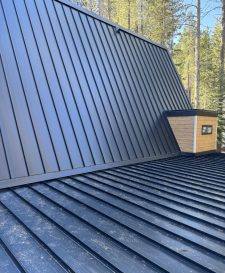
What St. Petersburg's Climate Actually Does to a Roof
Pinellas County sits on a peninsula, and Childs Park homes feel every part of that exposure. Roofing materials here are working against four things at once, all year, not just during storm season:
- Hurricane-force wind: Uplift at eaves, rakes, and ridge lines is the single biggest cause of roof failure in a named storm — it's rarely the field of the roof that fails first, it's the edges and fasteners.
- Intense, near-constant UV: Florida sun breaks down roofing materials faster than almost anywhere else in the country, drying out sealants, fading finishes, and embrittling anything not rated for it.
- Wind-driven rain: Rain that's moving sideways at 40-60+ mph doesn't behave like rain falling straight down — it finds every gap in flashing, fastener penetration, and lap seam that a calm-weather install would have gotten away with.
- Salt air: St. Petersburg sits close enough to Tampa Bay and the Gulf that airborne salt accelerates corrosion on any exposed metal — fasteners, flashing, and the panels themselves if the wrong alloy or coating is used.
None of these are unique to metal roofing — every roof type in Childs Park deals with all four. What's different is how well metal, when specified and installed correctly, resists them compared to the alternatives.
Why Metal Holds Up Where Other Materials Struggle
Asphalt shingles rely on granule-coated asphalt to block UV and an adhesive seal strip to resist wind — both of which degrade with sun exposure over time, which is exactly the conditions Childs Park gets in abundance. Metal roofing doesn't have that failure mode. The panel itself is the weather barrier, wind resistance comes from the fastening pattern and panel engineering rather than an adhesive that can dry out, and a quality factory finish holds its color and integrity far longer under constant UV than asphalt granules do.
That doesn't mean metal is maintenance-free or immune to problems. It means the problems it's prone to are different — and mostly preventable with correct material selection and installation, which is where most of the real differences between a good metal roof and a problem metal roof actually show up.
Where Metal Roofs Actually Fail
When we get called out to look at a metal roof that's failing early, it's almost never the panel material itself. It's one of these:
- Wrong fastener type or spacing for the wind exposure category
- Dissimilar metals in contact, causing galvanic corrosion (common when the wrong screw type is used on the wrong panel alloy)
- Underlayment skipped or under-specified, so any minor leak point becomes a deck problem
- Flashing details around penetrations (vents, chimneys, skylights) rushed or improvised instead of properly formed
- Panels installed over a deck with existing rot or moisture damage that wasn't addressed first
Every one of those is a workmanship or specification issue, not a limitation of metal as a material — which is why the crew doing the install matters as much as the panel you choose.
What a Correct Metal Roof Installation Involves
Deck Inspection and Prep
Before any panel goes down, the roof deck needs to be sound. In older Childs Park homes, that sometimes means addressing plywood or plank decking that's seen decades of Florida humidity. Installing a new metal roof over a compromised deck just hides a problem that will resurface — so deck condition gets checked and any needed repairs happen before installation, not glossed over.
Underlayment
A synthetic or self-adhering underlayment goes down as the roof's actual water barrier — the metal panels above it are the primary defense, but the underlayment is what protects the deck if wind-driven rain ever gets past a seam or fastener. In a high-wind, high-rain area like this, skipping or skimping on underlayment is one of the most common shortcuts we see on other people's work, and one of the first things we won't cut.
Fastening and Panel Attachment
How a panel is fastened matters more than what the panel is made of when it comes to wind performance. Fastener type, spacing, and pattern all need to match the wind exposure the roof will actually see — Pinellas County building code reflects the hurricane risk here, and a correct install follows it, not a generic spec sheet written for a calmer climate.
Flashing and Penetrations
Every vent stack, chimney, and roof-to-wall transition is a place where two different materials meet, and that's where leaks start. Flashing at these points needs to be formed and layered correctly — not just caulked — because sealant alone breaks down under UV and won't hold up as a long-term seal on its own.
Ventilation
A well-ventilated attic keeps heat and moisture from building up under the roof deck, which matters for the lifespan of the deck itself and for energy costs in a house that's cooling against Florida summers most of the year. Ventilation gets planned as part of the roof system, not added as an afterthought.
Comparing Metal Roofing Options
Not every metal roof is the same product wearing a different color. The panel style you choose affects cost, appearance, and long-term performance:
| Panel Type | Typical Use | Wind/Water Performance | Relative Cost |
|---|---|---|---|
| Standing seam | Full roof replacement, higher-end residential | Concealed fasteners, strongest resistance to wind uplift and water intrusion | Higher |
| Exposed fastener panel | Budget-conscious full replacements, some outbuildings | Good performance when fasteners are correctly spaced and maintained; fasteners are a maintenance point over time | Moderate |
| Metal shingle/tile profile | Homes wanting a traditional shingle or tile look with metal durability | Strong wind and impact resistance; detailing at edges is more involved | Moderate to Higher |
For most Childs Park homes, the decision comes down to budget versus how long you want to go before touching the roof again. Standing seam costs more up front but has fewer long-term maintenance points because there are no exposed fasteners for salt air and UV to work on over the years.
Our Process, Start to Finish
- Inspection and assessment: We look at the existing roof, the deck condition, and how the home is currently ventilated before recommending anything.
- Honest options, no upsell pressure: We'll walk through panel types and what fits your budget and how long you plan to stay in the home — a roof for a forever home and a roof for a near-term sale don't need the same spec.
- Tear-off or evaluation for overlay: Most Childs Park re-roofs call for a full tear-off so the deck can be properly inspected and the new system installed correctly, rather than covering up unknown conditions.
- Installation: Deck repair as needed, underlayment, panel installation to code-correct fastening patterns, and properly formed flashing at every penetration and transition.
- Final walkthrough: We go over the finished roof with you before we consider the job done, including how to spot anything worth a future maintenance call.
What Affects the Cost of a Metal Roof in Childs Park
| Factor | Why It Matters |
|---|---|
| Roof size and complexity | More valleys, hips, and penetrations mean more flashing detail work and labor time |
| Panel type | Standing seam runs higher than exposed-fastener panel systems |
| Deck condition | Rot or damage found during tear-off adds repair scope before panels can go on |
| Tear-off vs. overlay | Full tear-off costs more up front but is usually the right call on an older home |
| Ventilation upgrades | Adding or correcting attic ventilation as part of the job affects both cost and long-term performance |
We don't quote a number without seeing the roof — anyone who does is guessing, and on a home in a high-wind coastal county, guessing is how corners get cut later to hit a price that shouldn't have been quoted in the first place.
Signs Your Current Roof May Need Attention
- Shingles that are curling, cracked, or missing granules in patches
- Visible sagging anywhere along the roofline
- Staining on interior ceilings, especially after heavy rain or a storm
- Rusting or loose flashing around vents, chimneys, or skylights
- A roof that's 20+ years old and hasn't had a professional inspection recently
- Granules collecting in gutters or at downspout outlets
If any of these sound familiar, it's worth getting a professional look before the next storm season rather than after damage has already occurred.
Why Local Experience in Childs Park Matters
A roofing crew that works regularly in St. Petersburg and Pinellas County knows the wind exposure category this area falls under, knows what the local permitting process requires, and has seen firsthand how different metal roofing systems hold up here over years, not just on a spec sheet. That's different from a crew that installs metal roofs occasionally and treats every job like it's in a mild inland climate. The details that matter most — fastening patterns, flashing at penetrations, panel selection for salt air exposure — are exactly the details that get shortchanged by contractors without local, hands-on experience in coastal Florida conditions.
Maintenance After Installation
A correctly installed metal roof is low-maintenance, not no-maintenance. A periodic visual check — after major storms and at least once a year otherwise — for loose fasteners, damaged flashing, or debris buildup around penetrations goes a long way toward getting the full service life out of the system. Gutters and downspouts should stay clear so water isn't sitting against roof edges longer than it needs to. None of this is heavy work, but skipping it is how small issues turn into deck damage over several seasons.
If you're weighing a metal roof for your Childs Park home, we're happy to take a look and walk you through honest options for your specific roof and budget. There's no pressure and no obligation — just fill out the form below for a free estimate.