 St. Petersburg Siding
 Why St. Pete Beach Roofs Wear Out Faster Than Inland Roofs
A roof on St. Pete Beach lives a harder life than a roof ten miles inland. Sitting on a barrier island in Pinellas County means constant exposure to Gulf salt air, which corrodes fasteners, flashing, and metal components years ahead of schedule. Add Florida's intense, near-year-round UV load, which breaks down asphalt oils and shingle granules faster than in milder climates, and then layer in wind-driven rain during summer storms and the real risk of hurricane-force gusts. Each of these stresses is manageable on its own. Together, over enough years, they shorten the useful life of a roof and make small weaknesses — a loose shingle tab, a soft spot in flashing cement, an aging pipe boot — turn into real leaks much faster than homeowners expect.
That's why a roof replacement here isn't just about swapping old material for new. It's about building a system that's specifically suited to a coastal environment, not a generic install that happens to be located near the water.
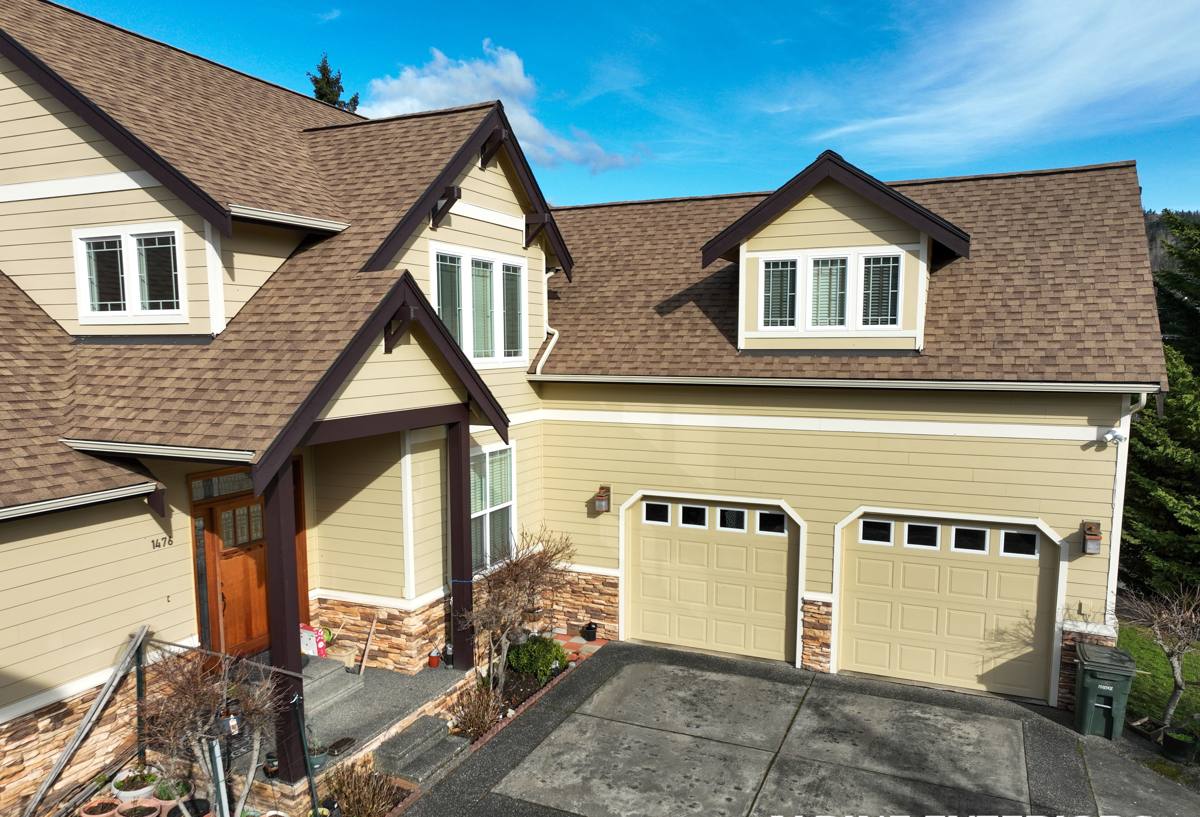
Signs a Repair Won't Cut It Anymore
Age and Remaining Material Life
Most asphalt shingle roofs in this climate are realistically looking at a full replacement conversation once they pass the 15-to-20-year mark, sometimes sooner on homes with poor attic ventilation or a history of storm patching. If your roof is in that range and starting to show granule loss, curling edges, or repeated leak calls in different spots, you're past the point where another patch makes financial sense.
Storm and Wind Damage
Lifted or missing shingles after a windstorm, exposed nail heads, or a tarp that's been up longer than a few weeks are all signs the roof's wind resistance has already been compromised in more places than are visible from the ground. Wind doesn't just damage the spot you can see — it stresses the whole field of shingles.
Water Intrusion Signs Inside the Home
Ceiling stains, musty attic smells, or daylight visible through the roof deck from inside the attic all point to a roofing system that's no longer doing its job as a whole. When water is finding multiple entry points, chasing individual leaks becomes more expensive over time than a planned replacement.
What a Correct Roof Replacement Actually Involves
Full Tear-Off and Deck Inspection
A proper job strips the roof down to the deck rather than layering new material over old. This is the only way to actually inspect the plywood or OSB sheathing underneath for rot, delamination, or soft spots caused by long-term moisture — problems that are invisible from above and that a new layer of shingles will simply hide, not fix.
Underlayment and Secondary Water Barrier
In a coastal wind-driven-rain environment, the underlayment matters as much as the shingles themselves. A synthetic underlayment paired with self-adhering waterproof membrane at eaves, valleys, and other vulnerable areas gives the roof a real second line of defense if wind ever drives water up under the primary covering.
Fastening and Wind Uplift Resistance
How a roof is fastened matters more here than in calmer climates. Correct nail placement, nail count per shingle, and adherence to the manufacturer's high-wind fastening pattern are what actually determine whether a roof stays intact in a serious wind event — not just the wind rating printed on the shingle wrapper.
Flashing, Edges, and Penetrations
Most roof leaks after year one trace back to flashing, not the field of the roof. Drip edge, valley flashing, wall step flashing, and pipe boots all need to be replaced as part of the job, sized and installed correctly rather than reused or caulked over to save time.
Choosing the Right Material for a Coastal Home
There's no single "best" roofing material for every St. Pete Beach home — it depends on your budget, your home's structure, and how much long-term maintenance you're willing to take on. Here's an honest comparison of the options homeowners in this area typically weigh:
| Material | Typical Lifespan Here | Wind Performance | Salt Air / UV Resistance | Relative Upfront Cost |
|---|---|---|---|---|
| Architectural asphalt shingle | 15–25 years | Good, when installed with high-wind fastening | Moderate — granule and oil breakdown over time | Lowest |
| Standing seam metal | 30–50 years | Excellent when properly fastened | Strong if coated fasteners and finish are used; needs quality hardware near salt air | Higher |
| Concrete or clay tile | 30–50 years | Very good when correctly fastened to deck | Excellent — tile itself doesn't corrode or UV-degrade | Highest |
Metal and tile cost more upfront but ask less of you in maintenance and repair over the decades. Asphalt shingle remains a solid, budget-conscious choice as long as it's installed correctly for this climate — the installation quality matters more than the shingle brand.
Permits and Wind Mitigation in Pinellas County
A legitimate roof replacement on St. Pete Beach requires a building permit, inspections at defined stages of the job, and work that meets current Florida Building Code wind provisions for coastal construction. This isn't paperwork for its own sake — it's what protects you if there's ever a warranty dispute, an insurance claim, or a future home sale where a buyer's inspector checks permit history.
It's also worth getting a wind mitigation inspection done once the new roof is complete. Insurers offer credits for features like a properly rated roof covering, secondary water barrier, and improved fastening — and after a full replacement, many homeowners are eligible for a meaningful reduction in their windstorm premium that they weren't getting with the old roof.
Our Roof Replacement Process
- Inspection and estimate: We walk the roof and attic, document its actual condition, and give you a written scope and price — no guessing from the ground.
- Material and color selection: We go over the tradeoffs above so you pick a material that fits your budget and how long you plan to stay in the home.
- Permitting: We pull the permit and schedule required inspections before work begins.
- Tear-off and deck prep: Old material comes off, the deck gets inspected, and any damaged sheathing is replaced before anything new goes down.
- Underlayment, flashing, and covering installation: Each layer goes in to manufacturer and code specifications, with attention to the high-wind fastening details described above.
- Cleanup and magnetic nail sweep: The property is cleared of debris and swept for stray fasteners before we consider the job done.
- Final walkthrough and permit closeout: We review the finished roof with you, close out the permit with a final inspection, and hand over your warranty paperwork.
Why Local Experience on the Barrier Island Matters
St. Pete Beach has its own practical realities that a crew unfamiliar with the area often gets wrong: limited street parking and staging space on many lots, condo and HOA rules that govern exterior work and material approval, and the simple fact that salt-laden air punishes hardware that isn't rated for it. A crew that already works this specific stretch of Pinellas County knows to spec coated or stainless fasteners near the water, knows which local inspectors are involved and what they look for, and can move fast when a storm is bearing down and a temporary repair needs to hold until a full replacement can be scheduled. That local familiarity shows up in fewer surprises and fewer callbacks.
Checklist: What to Verify Before You Hire Anyone
- Active Florida roofing license, verified independently rather than taken on faith
- General liability and workers' compensation insurance, with certificates provided in writing
- A written, itemized scope of work — not a one-line estimate on a business card
- Confirmation the contractor will pull the permit in their name, not yours
- Manufacturer certification for the specific shingle, metal, or tile system being installed
- A clear workmanship warranty in addition to the manufacturer's material warranty
- A plan for weather delays and a realistic completion timeline
- Local references or completed jobs the contractor can point to in this area
Protecting Your Investment After Installation
A new roof still needs some attention to get its full lifespan out of it in this climate. Keep gutters clear so water sheds properly during heavy summer rain, make sure attic ventilation is adequate to prevent heat and moisture buildup under the deck, and have the roof looked at after any major storm even if nothing looks obviously wrong from the ground. Keep copies of your permit, final inspection, and warranty documents together — they matter for insurance claims and for resale down the road.
If your St. Pete Beach roof is showing its age or storm damage, we're happy to take a look and give you a straightforward, no-pressure estimate. Fill out the form below and we'll schedule a time to inspect the roof and walk you through your options in plain terms.