 St. Petersburg Siding
 Why St. Pete Beach Roofs Wear Out Faster
St. Pete Beach sits on a barrier island, which means every roof here is doing a harder job than a roof five or ten miles inland in St. Petersburg proper. The same Gulf breeze that makes the neighborhood desirable also carries salt spray that settles on shingles, flashing, and fasteners every single day. Add in intense year-round UV exposure, wind-driven rain that finds its way under loose or aging materials, and the real possibility of hurricane-force winds during storm season, and you have a climate that ages roofing systems well before their rated lifespan on paper runs out. We work on roofs across Pinellas County, but St. Pete Beach homes get a specific kind of attention because the exposure is more constant and more corrosive than almost anywhere else in the area.
Salt Air and Corrosion
Salt in the air doesn't just affect boats and railings — it works on metal roofing fasteners, drip edge, flashing, and any exposed hardware. Once corrosion starts on a fastener or a flashing seam, water finds a path in, and that small leak point becomes a bigger repair the longer it sits. Homes closer to the water need corrosion-resistant materials and more frequent inspection of anywhere metal meets the roof deck.
Wind-Driven Rain and Uplift
Regular rain falls straight down and mostly runs off. Wind-driven rain during a squall or tropical system comes in sideways and gets pushed up and under shingle edges, ridge caps, and flashing that would otherwise shed water fine. That's why a roof can look intact from the ground and still be leaking at the eaves or around a chimney — the damage is happening at connection points, not out in the open field of the roof.
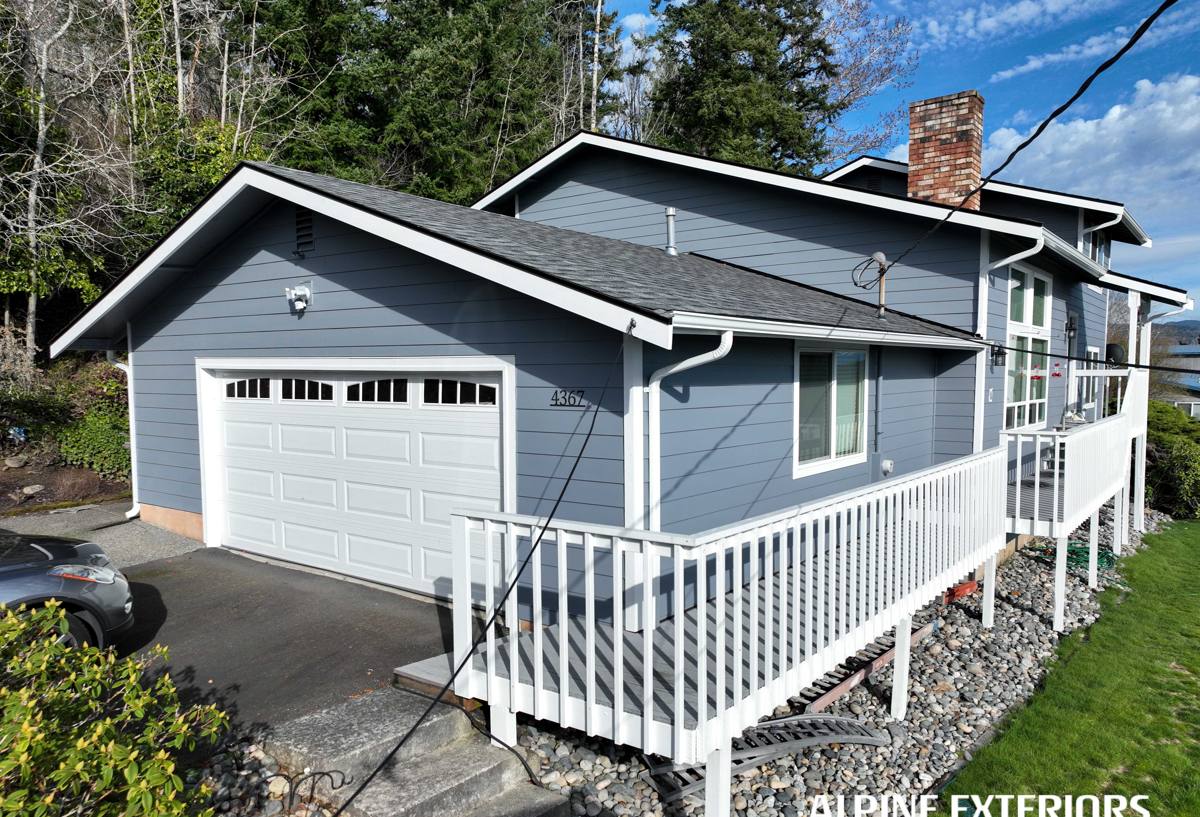
Common Roof Repair Issues We See in St. Pete Beach
- Lifted or missing shingles along ridges, edges, and valleys where wind uplift is strongest
- Corroded or loose flashing around chimneys, skylights, vents, and roof-to-wall transitions
- Cracked or worn pipe boots that let water track down into the attic around plumbing vents
- Soffit and fascia rot where trapped moisture and salt air have broken down wood over time
- Underlayment failure beneath shingles that still look okay on the surface but no longer stop water reliably
- Granule loss on shingles from UV exposure, leaving the asphalt beneath more brittle and permeable
- Ponding or membrane wear on flat or low-slope sections, which are common on Florida beach homes and additions
What a Proper Roof Repair Actually Involves
A repair that actually holds up in this environment is more than swapping out a few shingles. It requires understanding why the damage happened in the first place, so the same spot doesn't fail again next storm season.
Matching Materials and Fasteners
Repairs should use materials rated for coastal exposure — corrosion-resistant fasteners and flashing, and shingles or components that match the existing roof's profile and color as closely as possible so the repair doesn't stand out or create a weak seam against the older material around it. Mismatched materials can also react differently to heat and UV, which shortens the life of the patch itself.
Flashing and Underlayment Done Right
Most leaks that homeowners blame on "old shingles" actually trace back to flashing that was never sealed correctly, or underlayment that was skipped or improperly lapped during a past repair. Doing it right means pulling back enough of the surrounding roofing to properly integrate new flashing and underlayment with what's already there — not just caulking over the visible gap and calling it done. Surface patches might buy a season, but they tend to fail again during the next hard rain or windstorm.
Repair vs. Replacement: How to Tell
Not every damaged roof needs to come off. The table below covers the signs we weigh when helping a homeowner decide.
| Situation | Repair Usually Makes Sense | Replacement Usually Makes Sense |
|---|---|---|
| Age of roof | Under 15-18 years, condition otherwise sound | Nearing or past its rated service life |
| Damage location | Isolated to one area (a valley, a vent, a section of flashing) | Spread across multiple sections or slopes |
| Shingle condition | Granule loss is minor, most tabs intact | Widespread granule loss, brittle or curling shingles |
| Leak history | First occurrence, source clearly identified | Recurring leaks in different spots over time |
| Decking condition | Solid decking under the damaged area | Soft, rotted, or water-stained decking found during inspection |
Our Roof Repair Process
- Inspection. We get on or safely access the roof and look at the whole system, not just the spot you called about — because in this climate, one visible leak often has a related weak point nearby.
- Honest diagnosis. We explain what's actually failing and why, in plain terms, before recommending anything.
- Written estimate. You get a clear scope of work and price before we touch anything — no surprise add-ons mid-job.
- The repair itself. We remove and replace only what needs it, properly integrate flashing and underlayment, and use fasteners and materials suited to coastal exposure.
- Cleanup and walkthrough. We clear debris and nails from the property and walk you through what was done.
- Follow-up. If anything related to the repair comes up afterward, we stand behind the work.
Cost Factors for Roof Repair in St. Pete Beach
Every roof and every leak is different, so we don't quote a number without seeing the roof. But these are the main factors that move the price up or down:
| Factor | Why It Matters |
|---|---|
| Size of the damaged area | A single flashing repair costs far less than replacing a whole section of shingles and underlayment |
| Roof pitch and access | Steeper roofs or additions with tricky access take more time and safety setup |
| Decking condition underneath | Rotted plywood found during the repair adds material and labor to replace it properly |
| Roofing material type | Asphalt shingle, tile, and flat/low-slope membrane repairs each require different materials and skills |
| How long the leak went unaddressed | Water that's been getting in for months can mean interior damage, insulation replacement, or mold remediation beyond the roof itself |
As a broad guideline, a simple, isolated flashing or pipe boot repair might run a few hundred dollars, while a repair involving a larger section of shingles, decking, or a flat roof membrane can run well into the thousands. We give you the real number after we've actually looked at the roof, not before.
Permits, Codes, and Insurance in Pinellas County
Roof work in the City of St. Pete Beach and unincorporated Pinellas County generally requires a permit, and inspections confirm the work meets Florida Building Code's wind-resistance requirements for our coastal, wind-borne-debris region. Skipping permits on anything beyond the smallest cosmetic fix can create problems later — at resale, or with your insurer, since Florida insurance companies increasingly ask for documentation of roof condition and repair history. A properly permitted repair also supports your wind mitigation inspection, which can affect your insurance premium. We pull the permits our work requires and don't cut that corner to save time.
Maintenance Checklist for Barrier Island Homeowners
Between repairs, a few habits go a long way toward catching problems early in this climate:
- Have your roof visually inspected at least once a year, and always after a significant storm
- Check attic spaces for water stains, musty odors, or daylight coming through the decking
- Keep gutters and downspouts clear so water isn't backing up under the roof edge
- Look at flashing around chimneys, skylights, and vents for rust or lifted edges
- Rinse accumulated salt residue off the roof surface periodically if it's safe to access
- Trim back overhanging branches that can drop debris or hold moisture against the roof
- Address small leaks immediately rather than waiting — a small flashing fix now is a lot cheaper than decking and interior repair later
Why a Crew That Already Works St. Pete Beach Matters
A roofer who mostly works inland doesn't necessarily think about salt-rated fasteners, doesn't have a feel for how wind-driven rain moves on a barrier island roof, and may not be familiar with St. Pete Beach's permitting process or the realities of getting equipment and materials onto a narrow beach-side lot. We work in this specific environment regularly, which means we're not guessing about what holds up here and what doesn't. That familiarity shows up in the details — the fasteners we choose, how we detail flashing, and how we set expectations about what this coastal climate is going to do to a roof over time.
If you've got a leak, storm damage, or just want an honest opinion on your roof's condition, we're happy to take a look. Fill out the form below for a free, no-pressure estimate.