 St. Petersburg Siding
 What St. Pete Beach Siding Is Actually Up Against
St. Pete Beach sits on a narrow barrier island between the Gulf of Mexico and Boca Ciega Bay, which means every exterior surface on a home here deals with a harder version of Florida weather. Salt-laden air moves through the neighborhood constantly, not just during storms. UV exposure is intense and consistent nearly all year. Wind-driven rain finds its way into any gap in a wall assembly during summer thunderstorms and tropical systems, and hurricane-force gusts are a real possibility every season. Siding on this island isn't a cosmetic layer — it's the first line of defense for the wall behind it.
That combination is why so many older homes on the island show siding problems well before their expected lifespan: chalking and fading from UV breakdown, swelling or delaminating panels from moisture intrusion, corroded fasteners, and paint that won't hold because the substrate underneath is failing. None of that is unusual for this stretch of Pinellas County — it's what happens when a siding product isn't built for a barrier-island climate, or isn't installed with that climate in mind.
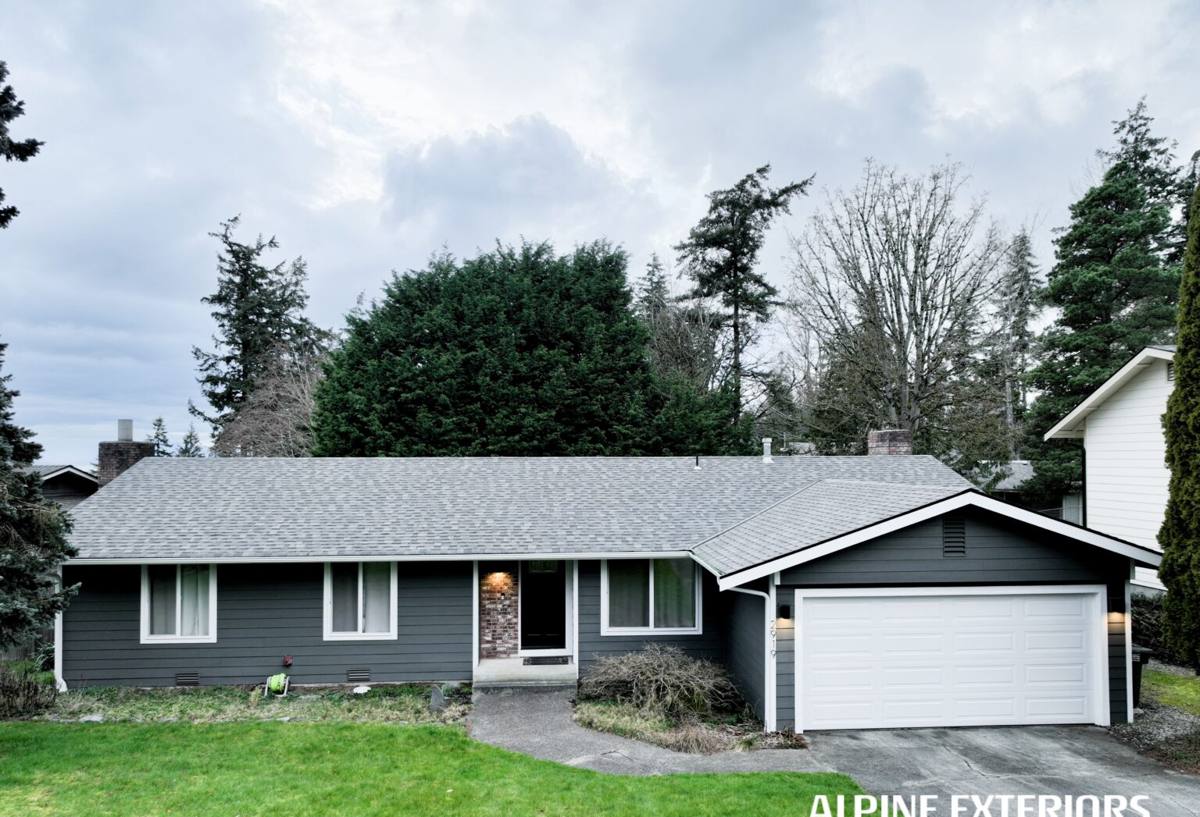
Why We Only Install James Hardie Fiber Cement Here
We install James Hardie fiber cement siding exclusively — we do not install vinyl, LP SmartSide, Cemplank, Allura, primed spruce, or cedar. That's not a marketing position; it's a standard we hold because of what we've seen these products do (or fail to do) on Gulf Coast homes over time.
Non-Combustible and Dimensionally Stable
Fiber cement is made from cement, sand, and cellulose fibers, which makes it non-combustible and far less reactive to heat and moisture swings than wood-based or vinyl products. It doesn't soften in direct sun the way vinyl can, and it doesn't rely on a factory primer coat to keep moisture out the way engineered wood products do.
Climate-Engineered for Humid, Coastal Regions
James Hardie formulates its siding differently by region through its HardieZone system. St. Petersburg falls in the HZ10 zone, which is engineered specifically for hot, humid, moisture-heavy climates like the Gulf Coast — different fiber and moisture-resistance formulation than what's shipped to a dry or freeze-prone region. That regional engineering matters more here than almost anywhere else in the country.
A Factory Finish Built for UV and Salt
James Hardie's ColorPlus finish is baked on at the factory in a controlled environment, rather than field-painted after installation. That gives it more consistent color adhesion and better resistance to fading and chalking under constant UV than most site-applied paint jobs achieve — a real advantage on an island where the sun is relentless twelve months a year.
What a Correct Installation Requires on a Barrier Island
Fiber cement siding is only as good as the installation behind it. On St. Pete Beach, a handful of details matter more than they would inland:
- Proper clearance from grade and hard surfaces — siding installed too close to soil, mulch, or pavement wicks up moisture and traps salt residue against the bottom edge.
- Correct water-resistive barrier and flashing — wind-driven rain during a squall doesn't behave like normal rainfall; it gets pushed sideways and upward under laps and around openings, so flashing at windows, doors, and penetrations has to be layered correctly, not just caulked over.
- Manufacturer-spec fastener pattern and type — corrosion-resistant fasteners, placed and spaced to Hardie's published instructions, keep panels secure through hurricane-force wind loads and prevent the streaking and popped nail heads that come from the wrong hardware.
- Painted or factory-finished cut edges — every field cut exposes raw fiber cement that needs to be sealed before installation, not after, so moisture can't enter through a cut end.
- Sealant at the right joints, not every joint — over-caulking traps moisture just as often as under-caulking lets it in; James Hardie's installation specs are explicit about which joints need sealant and which need to breathe.
Skip any one of these steps and the product itself stops mattering — even the best fiber cement siding will fail early if it's hung wrong.
How Fiber Cement Compares to the Alternatives
Homeowners on the island often ask why we won't install the cheaper or more common alternatives. Here's the honest comparison, including what those other products get right:
| Product | Wind & Storm Performance | Salt Air / Moisture Behavior | UV Performance | Our Position |
|---|---|---|---|---|
| James Hardie Fiber Cement | Rated for high wind zones when installed to spec | Engineered for humid coastal climates (HZ10); non-combustible core | Factory ColorPlus finish resists fading and chalking | What we install, exclusively |
| Vinyl Siding | Can crack, warp, or blow off panels in sustained high wind | Doesn't absorb moisture, but seams and J-channels are common intrusion points | Prone to fading and brittleness under constant intense sun | Not installed — long-term appearance and wind performance don't hold up here |
| LP SmartSide (engineered wood) | Reasonable wind resistance when properly fastened | Wood-based substrate is more vulnerable to sustained moisture and salt exposure than cement | Needs field-applied or factory coatings that can wear faster in high UV | Not installed — moisture sensitivity is a bigger risk on a barrier island |
| Cedar / Primed Spruce | Performs adequately but is labor-intensive to maintain at wind-rated fastening | Absorbs moisture, prone to rot and insect issues in humid salt air without constant upkeep | Needs recurring refinishing to resist sun damage | Not installed — maintenance burden is too high for this climate |
Our Process for a St. Pete Beach Fiber Cement Project
1. On-Site Assessment
We walk the exterior with you, check the current siding and the wall assembly behind it where accessible, and note anything specific to the property — elevation, sun exposure, proximity to the water, existing moisture damage.
2. Product and Line Selection
We help you choose the right James Hardie plank profile, texture, and ColorPlus color for the home, factoring in HOA or neighborhood guidelines where they apply.
3. Prep and Removal
Old siding comes off, the wall sheathing is inspected for hidden moisture damage or rot (common on older island homes), and any needed repairs happen before a single new panel goes up.
4. Installation to Manufacturer Spec
Water-resistive barrier, flashing, fastening, and joint treatment are done to James Hardie's published installation requirements for this climate zone — not shortcuts, not "close enough."
5. Final Walkthrough
We go over the finished work with you, confirm trim and caulking lines are clean, and make sure you know what maintenance (if any) is expected going forward.
Living With Fiber Cement Siding on the Island
One of the real advantages of James Hardie siding here is how little upkeep it needs compared to the alternatives — but "little" isn't "none," especially this close to salt water. A simple seasonal routine keeps it performing:
- Rinse the siding with a garden hose a few times a year to clear salt residue, especially on the ocean- and bay-facing sides of the home.
- Check caulking at window and door trim annually for cracking or gaps, and have it touched up before it fails outright.
- Keep sprinklers and irrigation heads from spraying directly on the siding — constant wetting at the base can lead to staining and mineral buildup over time.
- Trim back landscaping so it isn't holding moisture against the panels.
- After a major storm, do a visual check for cracked panels, loose trim, or displaced flashing rather than waiting for the next annual look.
What Affects the Cost of a Project Here
| Cost Factor | Why It Matters in St. Pete Beach |
|---|---|
| Home size and wall complexity | More corners, gables, and trim details mean more cutting, flashing, and labor time. |
| Condition of existing sheathing | Salt air and past moisture intrusion sometimes mean hidden repairs are needed before new siding goes on. |
| Product line and profile | James Hardie offers multiple plank styles and textures; some cost more per square foot than others. |
| Access and site conditions | Narrow island lots, close setbacks, and limited staging space can affect labor time and logistics. |
| Permitting and wind-load requirements | Coastal construction in Pinellas County is subject to wind-rating requirements that affect fastening specs and inspection steps. |
We give straightforward, itemized estimates rather than a single lump number, so you can see what's driving the cost of your specific project.
Why It Matters That We Already Work This Neighborhood
Siding installation isn't identical from one part of Pinellas County to another. A crew that mostly works inland subdivisions may not think twice about salt exposure, wind-load fastening on a barrier island, or how close a property sits to tidal flooding zones. Crews who already work St. Pete Beach regularly know the permitting expectations for this stretch of coastline, have already seen how older island homes were originally built, and understand which installation details actually matter here versus a few miles inland. That local pattern recognition is part of what keeps a fiber cement installation performing for decades instead of years.
If you're considering fiber cement siding for a home in St. Pete Beach, we're glad to walk the property, look at what's there now, and give you a straightforward, no-pressure estimate for a James Hardie installation built for this exact stretch of coast — just fill out the form below.