 St. Petersburg Siding
 Building a Deck That Can Actually Handle Pinellas County Weather
Disston Heights is a quiet, established pocket of St. Petersburg, and like every neighborhood on this side of the bay, it doesn't get a break from the weather just because it's a few miles inland from the water. A deck sits outside year-round with no roof over it and no siding protecting its edges, so it takes the full brunt of what Pinellas County throws at it: months of intense UV exposure, wind-driven rain that gets pushed sideways into every seam and joint, salt-heavy air moving in off the Gulf and Tampa Bay, and the real chance of hurricane-force winds during storm season. Composite decking has become the go-to choice for homeowners here because it's built to resist exactly those conditions, but that only holds true if the deck underneath it — the framing, the fasteners, the drainage — is built the same way. A composite deck is only as good as the structure supporting it.
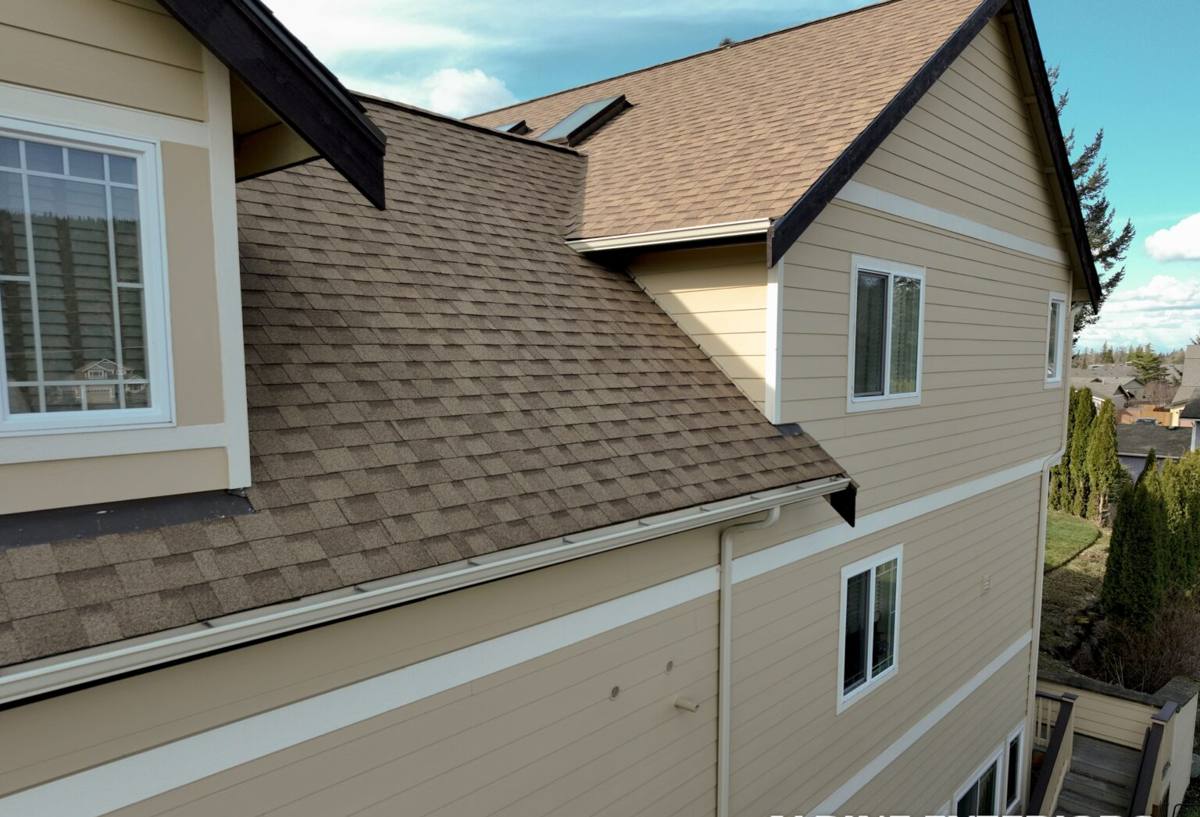
What Florida's Climate Actually Does to a Deck Over Time
Before talking about materials, it helps to understand what's working against a deck here, because it's more than just "hot sun." Three things do most of the damage in this part of Florida, and they compound each other.
UV and Surface Heat
St. Petersburg gets sun exposure most of the country doesn't see, and that constant UV load breaks down the lignin in natural wood, causing graying, splintering, and surface checking within a few seasons if the wood isn't refinished regularly. It also fades pigments and can soften lower-grade plastics over time. Composite decking with UV-stable capping resists this fading far longer than wood or uncapped composite, but darker colors will still run hotter underfoot on a July afternoon — something worth factoring into color choice, not just style.
Moisture and Humidity
Wind-driven rain doesn't fall straight down here — it gets pushed under railings, into end grain, and between boards that aren't spaced correctly. Combined with Florida's humidity, that moisture doesn't evaporate quickly, which is exactly the environment wood rot and mold need. Composite boards don't absorb water the way wood does, but the framing underneath, the fasteners, and any exposed cut ends still need to be treated as moisture-vulnerable points.
Salt Air
Even homes that aren't waterfront in Disston Heights still get salt aerosol carried in on Gulf breezes. Over years, that salt accelerates corrosion on anything that isn't rated for coastal exposure — deck screws, joist hangers, post bases, and railing hardware. This is one of the most overlooked failure points on decks in this area: the boards look fine, but the hidden fasteners are rusting away underneath.
Why Composite Holds Up Better Than Wood for This Application
We install composite decking in this climate because it removes the two biggest maintenance burdens wood carries here: it doesn't need annual sanding, staining, or sealing, and it doesn't rot, cup, or splinter from repeated wet-dry cycling. That's not a knock on wood as a material — it's a fact about what a Gulf Coast climate does to any organic material left outdoors. For a homeowner who wants to actually use their deck instead of maintaining it, composite trades a higher upfront material cost for a much lower cost and effort over the life of the deck. The trade-off worth understanding upfront: composite is heavier and less forgiving to install than wood, so the framing spec and fastening pattern have to be right the first time, since boards can't be "fixed" later the way a warped wood board can be swapped.
What a Correct Composite Deck Installation Actually Involves
The Substructure Matters More Than the Boards
Most of what determines whether a composite deck lasts is invisible once the job is done. Joist spacing has to match the specific composite product's engineering specs — composite flexes differently than wood, and spacing that's fine for a wood deck can cause sagging or a springy feel in composite over time. In Pinellas County's sandy soils, footings need to be sized and set to local frost-free but wind-load-relevant standards, since the concern here isn't frost heave, it's uplift and lateral load from tropical storm winds.
Fasteners and Hardware
Given the salt air discussion above, every hidden fastener, joist hanger, post base, and structural screw on a deck we build gets specified for coastal/marine-grade corrosion resistance, not the standard hardware that's fine inland. This is a small line-item cost difference that has an outsized effect on how long the structure underneath the decking actually lasts.
Spacing, Expansion, and Airflow
Composite boards expand and contract with heat more than wood does, so gapping between boards and around fixed objects (posts, house walls, fascia) has to account for Florida's temperature swings between a cool winter morning and a 95-degree deck surface in August. Too tight, and boards can buckle; too loose, and the deck looks sloppy and can trap debris. Ventilation underneath the deck also matters — enclosed skirting without airflow traps humidity against the frame, which is where rot and corrosion start even under composite boards that never rot themselves.
Composite Decking Options: What Actually Differs
"Composite decking" isn't one product — it covers a range of constructions, and the differences matter more in a coastal climate than in a mild one. The table below is how we walk homeowners through the real trade-offs, without steering anyone toward the most expensive option by default.
| Material | Upfront Cost | Maintenance | Coastal Durability | Typical Lifespan |
|---|---|---|---|---|
| Pressure-treated wood | Lowest | Annual sealing/staining recommended | Vulnerable to rot, splintering, salt-accelerated fastener corrosion | 10–15 years with upkeep |
| Uncapped composite | Moderate | Low, but surface can stain and fade faster | Good moisture resistance, more prone to UV fading | 15–20 years |
| Capped composite | Moderate–High | Very low — occasional washing | Strong UV and moisture resistance from the cap layer | 20–30 years |
| PVC decking | Highest | Very low | Excellent moisture resistance; runs hotter in direct sun | 25–30+ years |
For most Disston Heights homes, capped composite hits the balance point: it costs meaningfully less than full PVC while delivering most of the same resistance to the sun and moisture issues that actually shorten deck life here. We'll walk through specific product lines and colors during the estimate rather than push one brand — the right pick depends on your budget, how much direct sun the deck gets, and whether you want a wood-grain look or a more modern flat finish.
Our Process, Start to Finish
- Site walk and assessment. We look at sun exposure, drainage patterns, existing structure (if replacing a deck), and how the space will actually be used before recommending a layout or material.
- Design and material selection. We go over composite options, colors, railing styles, and a clear, itemized estimate — no vague allowances.
- Permitting. Deck construction in St. Petersburg typically requires a permit, and depending on the property, HOA guidelines may apply as well. We handle the paperwork and inspections as part of the job.
- Framing and structural work. Footings, joists, ledger flashing, and hardware go in to spec before a single composite board is placed. This stage is where a rushed job fails years later — we don't skip it to save time.
- Decking installation. Boards are laid with manufacturer-specified spacing and fastening systems, with attention to expansion gaps and drainage.
- Railings, fascia, and finishing details. Trim work and railings are set to match the composite system and hold up to the same coastal exposure.
- Final walkthrough. We go over the finished deck with you, including basic care guidance, before calling the job done.
Keeping a Composite Deck Looking Right Year-Round
Composite decking is low-maintenance, not no-maintenance. In a coastal climate, a small amount of regular care goes a long way toward protecting the investment:
- Rinse the deck periodically to remove salt residue, pollen, and debris buildup, especially after storms.
- Sweep leaves and organic debris out from between boards and off ledges where moisture can sit.
- Check that gaps between boards and around the perimeter stay clear so water and airflow can move freely underneath.
- Wash off mold or mildew spots with a soft brush and mild soap rather than a pressure washer on high setting, which can damage the cap layer.
- Inspect railings and any visible hardware once a year for looseness or early corrosion, particularly after hurricane season.
- Trim back overhanging vegetation that keeps sections of the deck shaded and damp longer than the rest.
Why Hiring a Crew That Already Works in Disston Heights Matters
A deck built to a generic national spec can still fail early in this climate if it wasn't built with Gulf Coast conditions in mind. Working regularly in and around St. Petersburg means we already know what Pinellas County wind-load and permitting requirements expect, we're not guessing at how a specific composite product performs after a few seasons of real Florida sun and salt exposure, and we're close enough to Disston Heights that a follow-up visit isn't a half-day trip. That local familiarity shows up in small decisions — hardware selection, board spacing, drainage detailing — that don't show up on a spec sheet but do show up in how the deck holds up ten years from now.
If you're weighing composite decking for a home in Disston Heights, we're happy to walk the property, talk through material options honestly, and put together a clear estimate — no pressure, no obligation. Use the form below to get started.