 St. Petersburg Siding
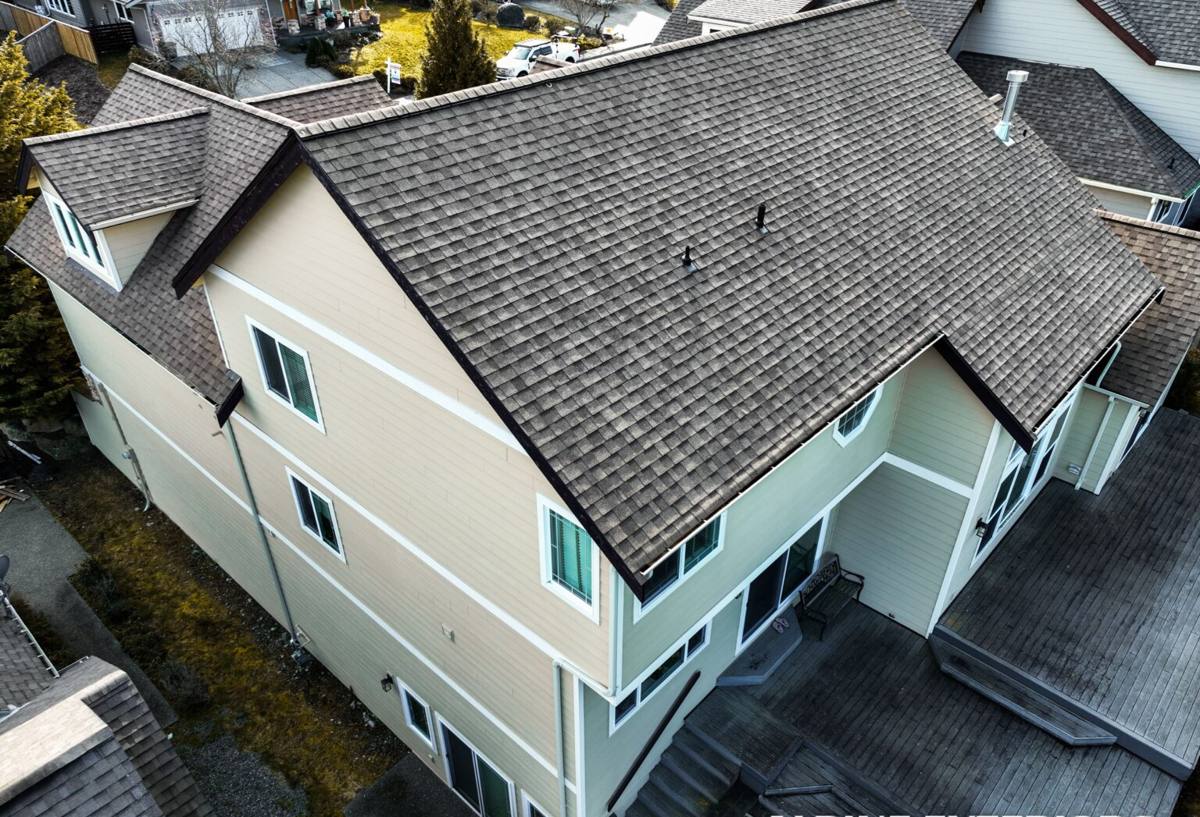
 Why Snell Isle Puts Extra Stress on a Deck
Snell Isle is one of St. Petersburg's older waterfront neighborhoods, and a lot of the homes here sit close to open water, along a seawall, or backed up to a canal. That location is part of what makes the neighborhood desirable, but it's also exactly the environment that wears out a deck faster than it would a few miles inland. Salt-laden air moves across these lots almost constantly, and it doesn't take a direct flood or storm surge event to cause damage — ordinary humid, salty breeze off the water is enough to corrode fasteners, pit metal hardware, and break down finishes over time.
Add in what the rest of Pinellas County deals with every year — intense, nearly year-round UV exposure, sudden wind-driven rain, and the real possibility of hurricane-force gusts during storm season — and a deck on a Snell Isle property is getting hit from every direction: sun from above, moisture from below and sideways, and salt from the air itself. Wood fibers gray and split, fasteners bleed rust streaks into the boards, and structural connections that were fine five years ago start to loosen. None of that is a defect in the original build necessarily — it's just what this climate does to an aging deck, and it's why replacement (not another round of patching) is usually the honest answer once a deck gets past a certain point.
Signs Your Deck Has Moved From "Repair" to "Replace"
Homeowners often ask us to look at a deck expecting a quick board swap, and sometimes that's all it needs. But there's a point where repair stops making financial sense and starts becoming a series of band-aids on a structure that's failing underneath. A few signs tell us the whole thing needs to come out:
- Soft, spongy, or spring-back decking boards in more than one area, not just one spot
- Visible rot, rust bleed, or splitting around joist hangers and fastener heads
- A ledger board (where the deck attaches to the house) that's separating, staining the siding, or showing gaps
- Posts or footings that feel loose, wobble under load, or show cracking at grade
- Railings that flex noticeably when leaned on — a real safety issue, not cosmetic
- Corrosion on structural hardware, especially near the water side of the property
- The deck is older than roughly 15–20 years and has never had the substructure inspected
If it's just one or two boards showing wear, repair is often the right call and we'll say so. But once the framing, ledger, or footings are compromised, patching the surface only hides a structural problem — it doesn't fix it.
What Florida Building Code Means for a Waterfront Deck Rebuild
Permits and Inspections
Deck replacement in St. Petersburg is permitted work in almost every case — it's not a project you want to do off the books, especially on a waterfront lot where the local building department pays closer attention to setbacks, elevation, and proximity to the seawall or water line. A permitted job means a plan review, a framing inspection before the decking goes down, and a final inspection before it's signed off. That process exists to catch problems while they're still easy to fix, not after the boards are screwed down.
Wind-Load and Connection Requirements
Current Florida Building Code connection requirements are considerably stricter than what a lot of older Snell Isle decks were built to years ago. That means hurricane ties, hold-down hardware, and ledger attachment methods that go well beyond a few lag bolts. When we replace a deck, we're not just matching what was there before — we're bringing the structure up to what the code requires today for wind resistance, which matters a great deal on a property that takes a direct hit from Gulf Coast storm winds.
Railing and Guard Requirements
Any deck surface more than a modest height above grade needs a code-compliant guard system — generally at least 36 inches high, with baluster spacing that won't allow a small child to pass through (typically no more than 4 inches). These aren't optional style choices; they're life-safety requirements, and they get checked at final inspection.
Choosing Decking Material for a Canal-Front Home
Material choice matters more here than it does for a deck sitting inland and shaded. Sun exposure is nearly constant, salt is in the air, and rain can come sideways during a storm. Here's how the common options actually hold up in that combination:
| Material | Upfront Cost | Maintenance in This Climate | How It Handles Sun & Salt |
|---|---|---|---|
| Pressure-treated wood | Lowest | Annual cleaning, periodic sealing/staining | UV grays and dries it out; fasteners are the weak point near salt air |
| Capped composite | Mid to upper-mid | Occasional washing, no sealing or staining | Cap layer resists fading and moisture far better than raw wood; still needs corrosion-resistant hardware |
| PVC/cellular decking | Highest | Lowest — essentially wash-and-go | No wood fiber to rot; handles constant UV and moisture well, though it can run hotter underfoot in direct sun |
We'll install any of these, but for a property that sits directly on the water, we generally steer people away from uncapped or budget composite boards. The exposed core in those products absorbs moisture at the cut ends and in high-humidity, salt-air conditions that moisture doesn't fully release the way it would somewhere drier — it's a maintenance and warranty headache down the line, not a dramatic failure, but a slow one. Capped composite or PVC from an established manufacturer, installed with the right hardware, is the more durable call for a waterfront lot, and most of those products carry meaningful long-term warranties from the manufacturer that back that up.
What's Underneath Matters More Than What's on Top
Framing and Fasteners
The decking boards are the part everyone sees, but the framing underneath is what actually keeps the deck safe, and it's the part that fails first in a salt-air environment if the wrong hardware went in. We use stainless steel or hot-dip galvanized fasteners and connectors rated for coastal exposure — not the standard-grade hardware that's fine 20 miles inland but corrodes within a few years this close to the water.
Footings in Sandy, Waterfront Soil
Soil conditions on canal-front and near-water lots in this part of Pinellas County tend to be sandy and can shift more than inland clay soils, especially after heavy rain events. Footings need to be sized and set to the depth the code and soil conditions actually require, not just deep enough to "seem solid." Undersized or shallow footings are a common reason an older deck develops that wobble homeowners describe.
Ledger Board Flashing
The ledger — where the deck ties into the house — is the single most common point of hidden rot on any deck, and wind-driven rain makes it worse here than in a drier climate. Proper flashing that sheds water away from the house band board, rather than trapping it, is not optional. We check and correct this on every replacement, because it's usually where the last deck failed first, even if it wasn't visible from the surface.
Our Deck Replacement Process
- On-site inspection of the existing deck, framing, ledger connection, and footings to confirm replacement is the right call
- Written estimate covering material options, code-required upgrades, and a realistic timeline
- Permit application with the local building department, including any documentation the waterfront location requires
- Full demolition and haul-away of the old structure
- New framing, footings, and ledger flashing built to current Florida Building Code connection and wind-load standards
- Framing inspection before any decking goes down
- Decking, railing, and stair installation using coastal-rated fasteners and hardware
- Final inspection and walkthrough with the homeowner
We don't skip the inspection steps to save time, and we don't ask a homeowner to sign off on a design that doesn't meet current code just because "the old one was built that way." A waterfront deck that isn't built to today's standard is a liability in the next major storm, not just a code technicality.
What Drives the Cost of a Deck Replacement
Every deck is different, so we don't publish a flat price — but the factors that move the number up or down are consistent:
| Factor | Why It Matters |
|---|---|
| Deck size and shape | Multiple levels, angles, or built-in features add framing and labor time |
| Decking material | Pressure-treated wood costs less upfront than capped composite or PVC |
| Framing condition | If footings and posts are reusable and code-compliant, that lowers cost; if not, they're rebuilt |
| Height above grade | Taller decks need more substantial railing systems and stair structures |
| Access to the site | Waterfront lots with limited equipment access can add labor time for demo and material staging |
| Permit and engineering scope | Some waterfront properties require additional documentation before permitting |
We'll walk through all of this on-site and put it in writing before any work starts, so there's no guessing about what's driving the number.
Why Local Experience in Snell Isle Matters
A deck contractor who mostly works inland subdivisions doesn't run into the same issues every day that come up on a canal-front Snell Isle lot — flood zone considerations, tighter site access, older homes with ledger connections that were never built to modern code, and the accelerated corrosion that comes with sitting this close to the water. A crew that already works this neighborhood knows what the local building department will ask for before the permit gets submitted, knows which hardware actually holds up here versus which fails in a few years, and isn't guessing at soil or flood-zone conditions for the first time on your project.
That familiarity shortens the permitting process, avoids costly rework, and means the deck we build is sized for the climate it actually has to survive — Gulf Coast sun, hurricane season winds, and salt air — not a generic build that happens to be sitting in St. Petersburg.
If your deck is showing its age or you're not sure whether it needs repair or full replacement, we're happy to take a look. Reach out for a free, no-pressure estimate using the form below.