 St. Petersburg Siding
 Siding Replacement Built for Pinellas Park
Pinellas Park sits in the middle of the peninsula, but "inland" doesn't mean sheltered — not in Pinellas County. Homes here still take the full brunt of Gulf humidity, tropical storm systems, and the kind of relentless sun that breaks down cheaper siding materials years before a mortgage is paid off. When a homeowner in this neighborhood calls us about siding replacement, the first question isn't "what color do you want" — it's "what's actually failing on your house, and why."
This page covers what siding replacement looks like specifically for Pinellas Park homes: the climate stresses at play, what a correct tear-off and install actually involves, and why we install exclusively James Hardie fiber cement rather than the vinyl, LP SmartSide, or wood-based products that get pitched around this market.
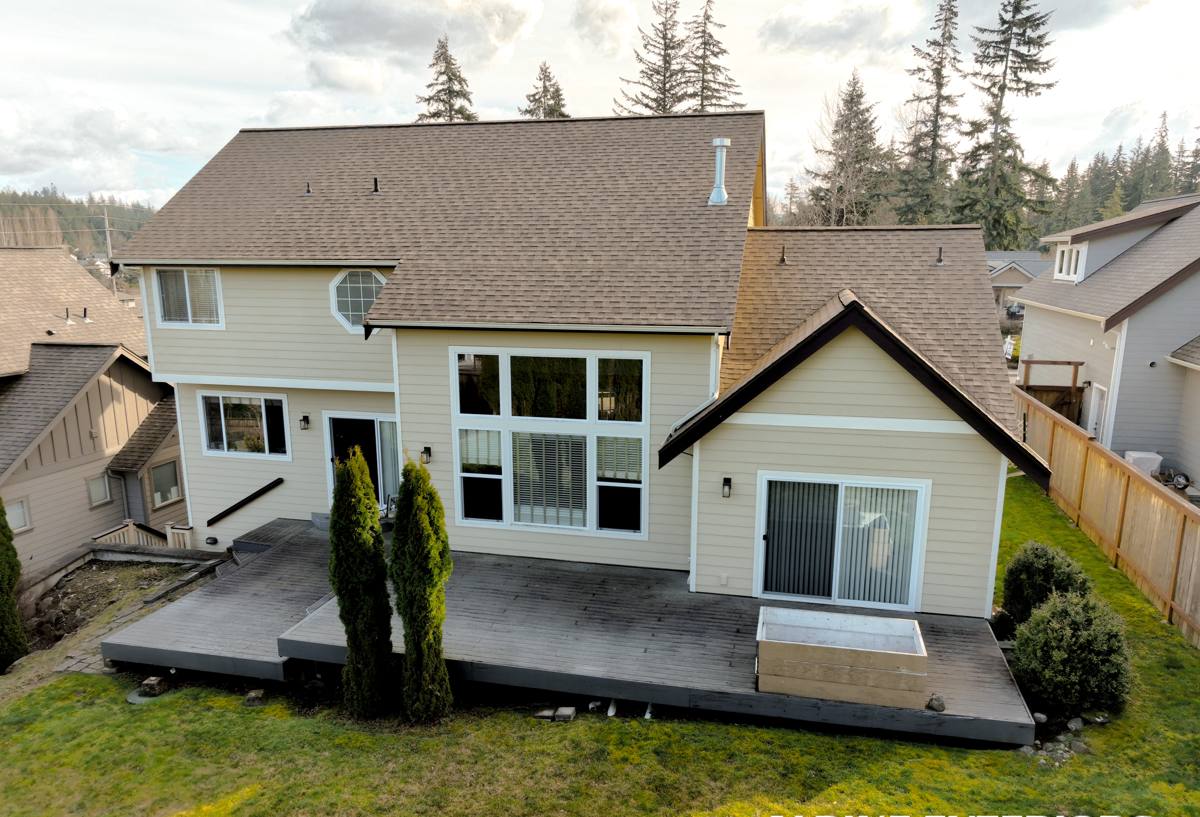
Why Pinellas Park Siding Wears Out Faster Than People Expect
Most homeowners assume siding failure is about age. In this part of St. Petersburg, it's usually about exposure. Four factors do most of the damage:
- Hurricane-force wind events: Even homes that never take a direct hit get repeated wind loading every storm season, which works fasteners loose and stresses seams over years of cumulative flexing.
- Wind-driven rain: Storms here rarely drop rain straight down. Wind pushes water sideways and up under laps, trim, and J-channel — which is where most hidden rot starts.
- Intense, near-constant UV: Florida sun is harder on exterior materials than most of the country sees, and it runs almost year-round instead of a few summer months.
- Salt air: Being close enough to Tampa Bay and the Gulf means airborne salt is a real factor, accelerating corrosion on fasteners and metal trim and breaking down some coatings faster than inland climates.
None of this is unique to one street or subdivision in Pinellas Park — it's the baseline reality for this part of Pinellas County. Siding that isn't engineered for it will show cracking, warping, or moisture damage well before it should.
Signs a Pinellas Park Home Needs Replacement, Not a Patch
We get called for "a few loose boards" or "some cracking near the corner" more often than for full failure — and that's usually the right time to act, before moisture gets behind the cladding. Warning signs worth taking seriously:
- Visible cracking, buckling, or warping panels, especially on the sides that catch the most sun or wind
- Soft or spongy spots when you press on siding near the bottom courses or around window trim
- Paint that's peeling or bubbling repeatedly in the same spots, even after repainting
- Gaps opening up at seams, corners, or where siding meets trim and fascia
- Visible fastener corrosion or streaking below nail heads
- A musty smell or discoloration on interior walls that back up to exterior siding
One or two of these can sometimes be addressed with targeted repair. Several at once, especially on an older home, usually means the underlying material and moisture barrier are compromised broadly enough that patching just delays a full replacement — often at higher total cost.
Why We Don't Patch Around a Bigger Problem
A contractor who only sells repairs has an incentive to keep selling repairs. We'd rather tell a Pinellas Park homeowner honestly that their home needs a full replacement now, before hidden moisture damage spreads to sheathing and framing, than collect smaller jobs over several years while the underlying problem gets worse.
What a Correct Siding Replacement Involves
Siding replacement is not just removing old panels and nailing up new ones. Done right, it's a sequence, and skipping steps is exactly how homes end up with the same problems again in a few years.
- Full tear-off and inspection: Remove existing siding down to the sheathing so the crew can actually see the condition of the wall assembly, not guess at it.
- Sheathing repair: Any rotted or compromised sheathing gets replaced before anything else happens. New siding over damaged sheathing just hides a problem.
- Weather-resistive barrier: A proper moisture barrier goes on correctly lapped and sealed, since this is the layer that actually stops wind-driven rain from reaching the wall cavity.
- Flashing at every penetration: Windows, doors, and any wall penetration get flashed properly — this is one of the most commonly rushed steps on lower-bid jobs, and one of the most consequential to get right in a wind-driven-rain climate.
- Siding installation to manufacturer spec: Correct fastener type and placement, correct clearances, correct panel gaps for expansion — all matched to what the manufacturer actually requires for Florida conditions.
- Trim, caulking, and finish work: The details that determine whether the house looks finished and whether water has anywhere to get in.
Why We Install Only James Hardie Fiber Cement
We don't install vinyl siding, LP SmartSide, Cemplank, Allura, or primed wood products like spruce or cedar. That's a deliberate standard, not a limitation in what we're capable of installing — and it's worth explaining honestly rather than just asserting it.
Vinyl is affordable and low-maintenance in mild climates, but it's a thinner, more flexible material that can distort in high heat and is more vulnerable in sustained high-wind events than fiber cement. LP SmartSide and other engineered wood products can perform well when moisture is tightly controlled, but they carry more installation sensitivity around sealing and moisture exposure than we're comfortable standing behind on Gulf Coast homes. Cedar and primed wood siding look great initially but require an ongoing maintenance commitment — repainting, sealing, moisture monitoring — that most homeowners underestimate until the first few humid Florida summers.
James Hardie fiber cement is non-combustible, holds up to wind-driven rain and salt air better than the alternatives we've moved away from, and comes with a factory-applied ColorPlus finish engineered to resist UV fade — which matters enormously given how much direct sun this area gets year-round. Hardie's HZ5 product line is specifically engineered for climate zones like ours, and the warranty structure is transferable, which protects resale value for a homeowner who sells before the siding's functional life is up.
What Hardie Costs Compared to the Alternatives
| Material | Upfront Cost | Maintenance | Wind/Moisture Resistance | Typical Lifespan |
|---|---|---|---|---|
| Vinyl | Lowest | Low, but can crack/fade | Weaker in sustained high winds | 15–25 years |
| Engineered wood (LP SmartSide) | Moderate | Moderate, moisture-sensitive | Installation-dependent | 20–30 years if maintained |
| Cedar/primed wood | Moderate to high | High — regular repainting/sealing | Weak without diligent upkeep | Varies widely with maintenance |
| James Hardie fiber cement | Moderate to higher | Low | Strong, climate-engineered lines available | 30+ years |
These are general industry patterns, not guarantees for any individual home — actual performance always depends on installation quality, upkeep, and specific exposure. But the pattern holds consistently enough that it's the basis of our standard.
Why Local Experience in Pinellas Park Matters
Siding installation isn't identical everywhere in the country, and it isn't even identical everywhere in Florida. A crew that mostly works dry inland climates will make different assumptions about flashing, fastener spacing, and moisture barriers than a crew that installs siding year-round in a county that sees regular tropical storm activity and constant salt air exposure. Knowing how wind loads behave on this peninsula, how wind-driven rain actually finds its way behind poorly flashed trim, and which details matter most under Pinellas County's building requirements isn't something you pick up from a manual — it comes from doing this work in this specific environment repeatedly.
That local pattern recognition is what separates a siding job that looks fine at handoff from one that's still performing correctly five hurricane seasons later.
Our Process for Pinellas Park Homeowners
- Inspection and honest assessment: We look at your current siding, trim, and any visible moisture signs, and tell you plainly whether repair or full replacement is the right call.
- Clear scope and product selection: We walk through the relevant James Hardie product line and ColorPlus color options for your home, with no pressure toward upgrades you don't need.
- Written estimate: A clear, itemized estimate before any work begins — no vague allowances.
- Proper tear-off and inspection of what's underneath: We don't cover up problems; we find and fix them.
- Installation to manufacturer specification: Every flashing detail, fastener, and clearance done to spec, not to whatever's fastest.
- Final walkthrough: We go over the finished work with you directly before considering the job done.
What to Expect During the Project
A full siding replacement on a typical Pinellas Park home generally runs from several days to a couple of weeks, depending on square footage, the amount of sheathing repair needed, and weather. Florida's rainy season can affect scheduling, and a responsible crew will pause work rather than install over a wet wall assembly. We'll walk you through a realistic timeline specific to your home once we've done the inspection — not a generic estimate that ignores your property's actual condition.
Get an Honest Look at Your Siding
If your Pinellas Park home is showing cracking, warping, soft spots, or siding that just looks tired after years of Florida sun and storms, it's worth getting an honest, no-pressure assessment before problems spread further into the wall assembly. We'll tell you straight whether you're looking at repair or replacement, and walk you through what a proper James Hardie installation would involve for your specific home. Use the form below to request a free estimate.