 St. Petersburg Siding
 Windows Built for How Disston Heights Actually Lives
Disston Heights is one of St. Petersburg's older, established residential pockets, which means a lot of its homes are still carrying original or early-replacement windows that were never designed for the way Florida's climate has intensified over the decades. Single-pane glass and worn aluminum frames were common building standards decades ago, but they were never a great match for Pinellas County's combination of relentless sun, high humidity, and storm-driven wind and rain. If your windows are original to the house, or even a first-generation replacement from the 1990s or early 2000s, there's a good chance they're costing you more in cooling bills and comfort than a modern energy-efficient window would.
This page is specifically about energy-efficient window replacement for homes in and around Disston Heights — what the climate here demands, what a correct installation actually involves, and why it matters to hire a crew that already understands this neighborhood's housing stock rather than a company treating it like any other job site.
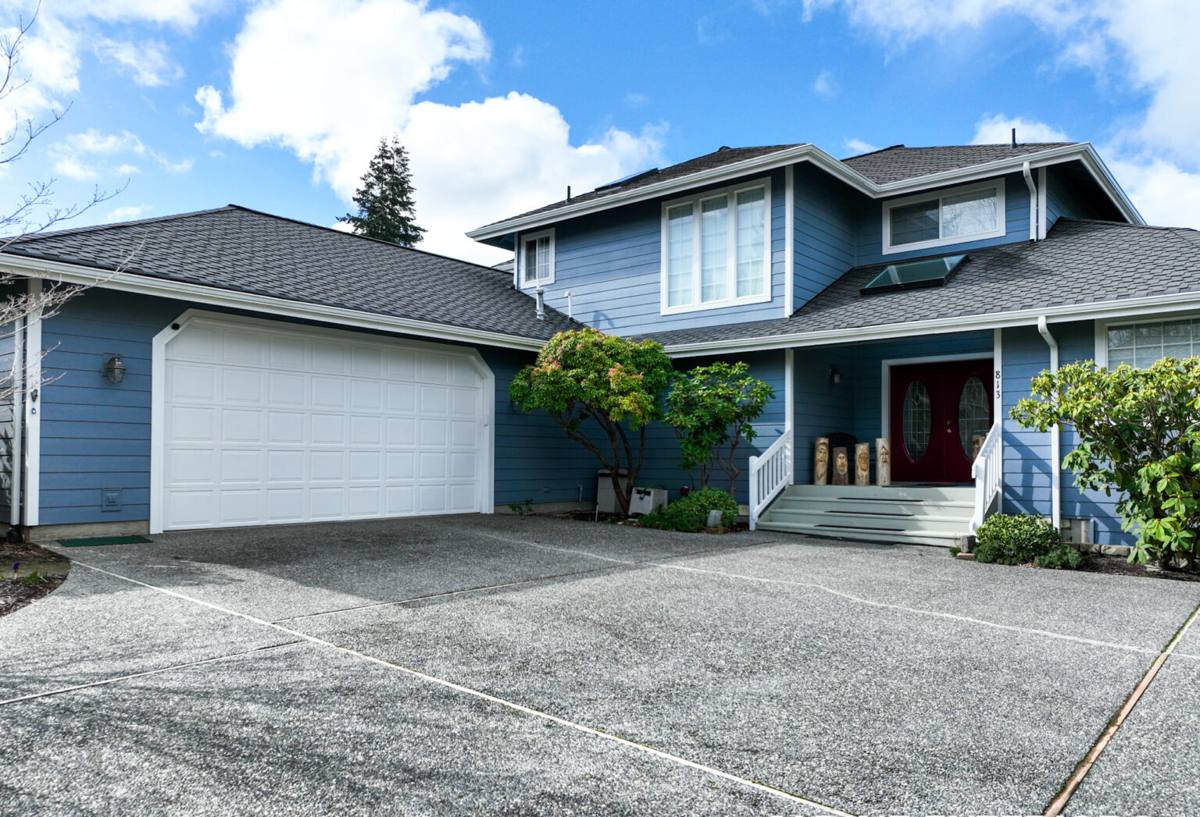
What St. Petersburg's Climate Does to Ordinary Windows
St. Petersburg sits on a peninsula surrounded by the Gulf and Tampa Bay, which shapes almost every decision that goes into a proper window install here. A few factors specific to this area matter more than most homeowners realize until a window starts failing:
- Year-round UV exposure: Florida's sun angle and number of sunny days per year are much higher than most of the country, which accelerates the breakdown of seals, vinyl, and low-quality glazing coatings faster than in northern climates.
- Wind-driven rain: Storms here rarely come straight down. Wind pushes rain sideways into window frames, which exposes weak flashing and poor sealant work in ways that a calm-weather test never would.
- Hurricane-force wind loads: Pinellas County is a wind-borne debris region under Florida's building code, and window assemblies here need to be rated and installed to hold up under sustained pressure, not just look sturdy.
- Salt air: Being close to the coast means airborne salt settles on and corrodes lower-grade hardware, fasteners, and frame components over time, even well inland from the water itself.
- Humidity swings: Constant humidity followed by blasts of AC-cooled indoor air creates condensation stress at the glass edge, which is exactly where a lot of seal failures start.
None of this means Disston Heights needs anything exotic. It means the window itself, the glass package, and the installation details all need to be chosen with this specific combination of stresses in mind — not just picked off a shelf because it fit the rough opening.
What "Energy-Efficient" Actually Means for This Climate
Energy-efficient windows are often marketed with a northern-climate mindset: keeping heat in during winter. In St. Petersburg, the job is almost the opposite — keeping heat and UV out for most of the year while still managing the occasional cool snap. That changes what actually matters in the glass and frame package.
Low-E Glass and Solar Heat Gain
Low-emissivity (Low-E) coatings reflect infrared heat while still letting visible light through. For a Gulf Coast home, you generally want a Low-E coating tuned for a low Solar Heat Gain Coefficient (SHGC) — meaning it blocks more of the sun's heat before it ever gets inside, which is the opposite priority from a home in a cold climate trying to capture solar warmth.
Multi-Pane Construction
Double-pane (and in some cases triple-pane) insulated glass units with an inert gas fill between the panes cut down on heat transfer and also help with sound dampening — genuinely useful if the home is near a busier road or under a flight path.
Frame Material Trade-Offs
Vinyl, aluminum, fiberglass, and wood-clad frames all behave differently in heat and salt air. Vinyl handles humidity and salt corrosion well and is a common, cost-effective choice; fiberglass holds up to temperature swings with less expansion and contraction over time; aluminum is strong for wind loads but conducts heat unless thermally broken. The right call depends on the home's exposure, budget, and how the existing openings are framed — we'll walk you through the honest trade-offs for your specific house rather than pushing one material as a universal answer.
Impact Rating and Wind Zone Requirements
Because St. Petersburg falls within Florida's wind-borne debris region, window replacements typically need to meet local wind load and impact standards, not just be "hurricane-rated" in a generic marketing sense. In practice, homeowners here are usually choosing between two approaches:
| Approach | How It Works | Trade-Offs |
|---|---|---|
| Impact-rated windows | Laminated glass and reinforced frames engineered to resist wind-borne debris directly | Higher upfront cost, no separate shutters needed, glass stays protected even when you're not home |
| Non-impact windows + separate protection | Standard-rated energy-efficient windows paired with code-compliant shutters or panels installed before a storm | Lower window cost, but requires action before every storm and ongoing shutter maintenance |
Either path can be done correctly, and both can be genuinely energy-efficient. What matters is that whichever route you choose is documented, permitted, and installed to the specification it's rated for — a window that's technically "impact-rated" but poorly installed doesn't actually deliver the protection or efficiency it's rated for.
What a Correct Installation Actually Involves
The window unit itself is only part of the equation. Most of the energy loss and water intrusion problems we see in this area trace back to installation shortcuts, not the product. A correct job includes:
- Accurate opening assessment — checking the existing rough opening for rot, settling, or out-of-square conditions before ordering anything.
- Proper removal — taking out the old unit without damaging the surrounding stucco, framing, or interior finish.
- Flashing and weatherproofing — integrating flashing tape and sealants correctly so wind-driven rain has nowhere to get behind the frame.
- Correct fastening for wind load — using the fastener type, spacing, and anchoring specified for the window's wind rating, not just "enough screws to hold it."
- Insulation at the gap — filling the space between the frame and the rough opening with the right low-expansion foam or backer rod, since a poorly insulated gap undercuts even a great window's efficiency.
- Interior and exterior sealant finish — a clean, continuous seal line that's both weathertight and presentable.
- Final inspection and permit sign-off — confirming the install matches what was permitted and rated.
Skip or rush any one of these steps and you can end up with a great window performing like a mediocre one — fogging, drafts, or a leak during the next wind-driven rain event.
Our Process for Disston Heights Homes
Because we already work in this neighborhood, we're familiar with the general age and construction style of homes here, which speeds up the early part of the process without skipping any steps. Here's what to expect:
- On-site assessment: We look at your current windows, frame condition, orientation (sun exposure varies a lot house to house), and any existing moisture or drafting issues.
- Honest product recommendation: We'll walk through frame material, glass package, and impact vs. non-impact options based on your home and budget — not a one-size answer.
- Written estimate: Clear scope, materials, and pricing before anything is ordered.
- Permitting: We handle the permit process required for window replacement in the city and county.
- Installation: Careful removal, proper flashing and sealing, and correct fastening for wind rating.
- Final walkthrough: We check operation, seals, and finish work with you before calling the job done.
Signs Your Current Windows Are Underperforming
You don't need to wait for a window to fail outright to know it's time to look at replacement. Common warning signs we see on older homes in this area include:
- Fogging or condensation between panes (a sign the seal has already failed)
- Noticeably higher cooling bills during peak summer months
- Frames that feel warm to the touch on the interior side during hot afternoons
- Difficulty opening, closing, or locking — often from frame warping or corroded hardware
- Visible gaps, drafts, or water staining below the sill after heavy rain
- Chalking, pitting, or corrosion on aluminum frames from long-term salt air exposure
Cost Factors Worth Understanding Upfront
We don't publish blanket pricing because window cost depends heavily on specifics, but the main factors that move the number are worth knowing before you start shopping:
| Factor | Why It Matters |
|---|---|
| Impact vs. non-impact rating | Impact-rated units cost more upfront but remove the need for separate storm protection |
| Frame material | Vinyl, fiberglass, and aluminum differ in upfront cost, longevity, and maintenance in salt air |
| Glass package | Low-E coatings, gas fills, and multi-pane construction add cost but drive most of the energy savings |
| Number and size of openings | Larger picture windows and sliders cost more per unit than standard double-hungs |
| Condition of existing openings | Rot or framing repair adds labor that's hard to estimate without an on-site look |
An accurate number only comes from seeing the actual openings and your home's specific exposure — which is exactly what a free estimate is for.
Why Local Experience Matters Here
Window replacement in Disston Heights isn't a different trade than window replacement anywhere else, but it does benefit from a crew that already understands the county's permitting expectations, the wind zone requirements, and the way this area's older housing stock is typically framed. That familiarity shows up in fewer surprises during the assessment, a smoother permit process, and an install that's built for how this specific coastline treats a window over the years — not just how it performs on a mild day when it's installed.
If you're weighing whether your current windows are worth repairing versus replacing, or you're ready to move forward with energy-efficient replacements for your Disston Heights home, we're happy to take a look and walk you through your options. Reach out for a free, no-pressure estimate using the form below.