 St. Petersburg Siding
 Siding Installation in Seminole, Florida
Seminole sits close enough to the Gulf that salt air, humidity, and wind-driven rain are part of daily life for every home in the area, even the ones several miles inland from the beaches. Add in Florida's year-round UV load and the real chance of hurricane-force wind during storm season, and you have one of the more demanding climates in the country for exterior siding. A siding installation here isn't just a cosmetic upgrade — it's a decision about how well your home's exterior envelope will hold up over the next several decades.
We install James Hardie fiber cement siding exclusively. That's not a marketing angle; it's a standard we've settled on after years of doing this work in Pinellas County and seeing which products actually perform under this specific combination of stressors. Below is what we think Seminole homeowners should know before they commit to a siding project.
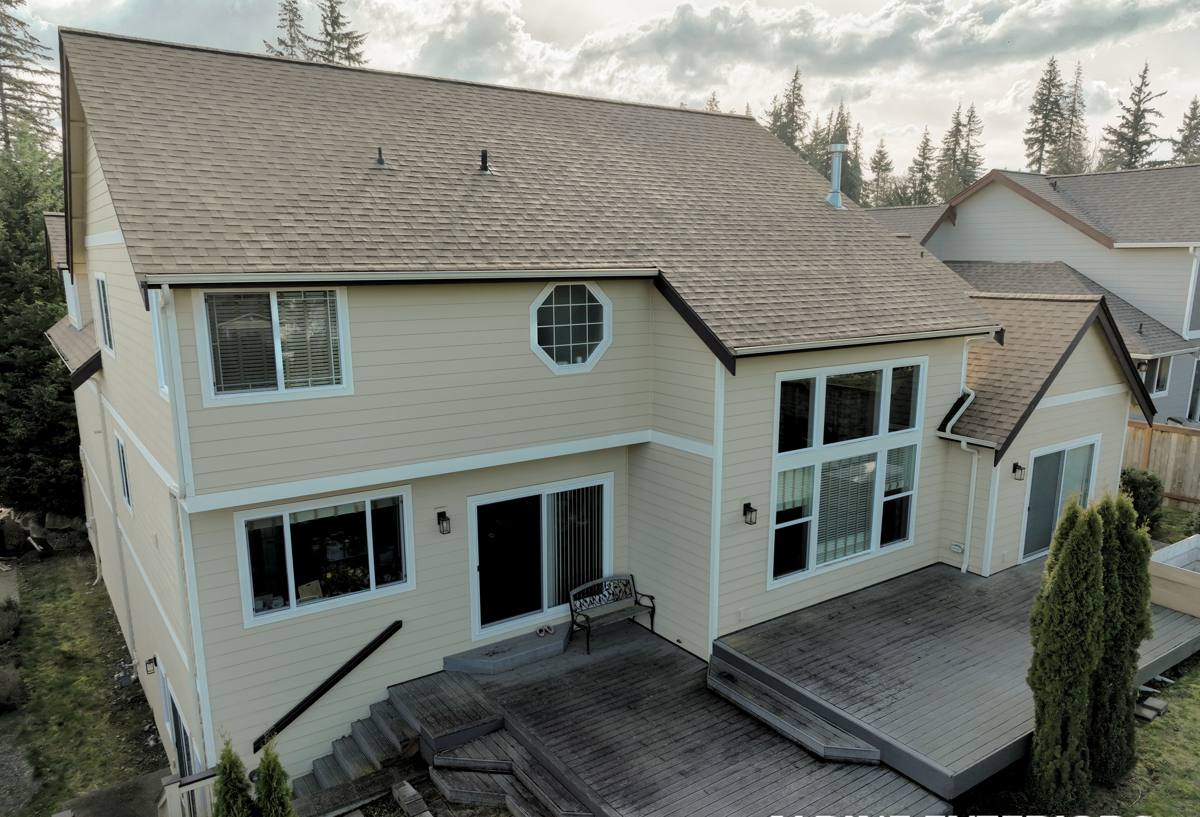
What Seminole's Climate Actually Does to Siding
Wind and Wind-Driven Rain
Seminole isn't directly on the coast, but it's close enough that tropical systems and seasonal storms bring the same wind-driven rain problem coastal neighborhoods deal with. Rain pushed sideways by high wind finds every gap, seam, and fastener hole in a siding system. Products that rely on tight, consistent seams — and installation crews that don't respect manufacturer flashing details — end up with water intrusion behind the cladding, which you often don't see until there's rot or mold damage underneath.
UV and Heat
Florida sun is relentless, and it's not seasonal — siding here gets hit with intense UV exposure essentially year-round. Cheaper coatings chalk, fade, and become brittle under that kind of exposure. Factory-applied finishes that are engineered specifically for UV resistance hold their color and flexibility far longer than field-applied paint.
Salt Air and Humidity
Even away from the immediate waterfront, salt-laden air moves inland on Gulf breezes and settles on every exterior surface in the area, including in Seminole. Combined with Florida's humidity, that salt content accelerates corrosion of fasteners and trim, and it stresses any siding material that isn't dimensionally stable in changing moisture conditions.
Moisture Cycling
Between afternoon thunderstorms, high humidity, and hot dry stretches, siding in this area goes through constant expansion and contraction. Materials that swell when wet and shrink when dry are working against themselves every single day, which shows up over time as cupping, buckling, or open seams.
Why This Matters for an Installation, Not Just a Product Choice
A lot of siding failure in this region isn't really a product failure — it's an installation failure. Even a well-engineered siding system will underperform if it's hung without the right clearances, fastening pattern, flashing, and joint treatment for our climate. That's why we treat installation quality as equally important to the material itself, and why we standardized on one product system we can install correctly and consistently rather than juggling installation specs for half a dozen different products.
Why We Install Only James Hardie Fiber Cement
James Hardie fiber cement is engineered from cement, sand, and cellulose fiber — a composition that doesn't absorb and swell the way wood-based products do, and doesn't soften or distort the way vinyl can under sustained heat. For a climate like Seminole's, that combination of moisture stability and heat tolerance is exactly what matters.
- Non-combustible: fiber cement doesn't contribute fuel to a fire, which matters for insurance considerations as much as safety.
- ColorPlus factory finish: baked-on, UV-cured color that resists fading and chalking far better than field-applied paint exposed to Florida sun.
- HZ5 climate-engineered formulation: Hardie's HZ5 product line is formulated specifically for high-humidity, moisture-prone climates like Florida's, rather than a one-size-fits-all national product.
- Dimensional stability: resists the swelling, cupping, and warping that plague wood-based and lower-grade composite sidings in humid climates.
- Strong transferable warranty: when installed to Hardie's specifications, the product carries a warranty that can transfer to a future owner, which matters if you ever sell.
We don't install LP SmartSide, vinyl, Cemplank, Allura, primed spruce, or cedar. Each of those has legitimate uses in the right climate or budget, but none of them, in our professional judgment, hold up to Seminole's specific combination of wind, UV, humidity, and salt exposure as reliably as Hardie's engineered fiber cement — and we'd rather install one product system extremely well than spread ourselves across several we can't fully stand behind.
What a Correct Installation Involves
Fiber cement siding is only as good as the installation behind it. A correct James Hardie installation in a climate like ours includes:
- Proper weather-resistive barrier: a code-compliant water-resistive barrier installed behind the siding, lapped correctly to shed water downward.
- Correct clearances: minimum gaps between siding and roofing, decks, and grade so water can't wick into the bottom edge of the boards.
- Manufacturer-spec fastening: the right fastener type, spacing, and depth — over-driven or under-driven nails are one of the most common causes of premature siding failure.
- Flashing at every penetration: windows, doors, vents, and any wall penetration need proper flashing so wind-driven rain can't track behind the cladding.
- Correct joint treatment: butt joints and seams sealed or flashed per Hardie's specifications, not just caulked and hoped for.
- Painted or factory-finished cut edges: exposed cut edges need to be sealed to prevent moisture wicking into the material.
Our Process for a Seminole Installation
1. On-Site Assessment
We start with a walk-around of your home to look at the current siding condition, the substrate underneath, trim and flashing conditions, and any moisture damage that needs to be addressed before new siding goes up.
2. Product and Line Selection
We help you choose the right Hardie product line, plank exposure, and color for your home's style and your neighborhood's look, all within the HZ5 climate-engineered formulation appropriate for our area.
3. Tear-Off and Substrate Repair
Old siding comes off, and we inspect and repair any sheathing or framing damage before anything new goes on. Installing new siding over a compromised substrate just hides a problem instead of fixing it.
4. Weather Barrier and Flashing
We install the weather-resistive barrier and all flashing details before a single piece of siding goes up — this is the layer that actually keeps water out, and it's the layer most often rushed or skipped by crews unfamiliar with correct installation.
5. Siding Installation
Panels or planks go up to Hardie's fastening and clearance specifications, with attention to how each home's specific wall assembly, window trim, and roofline details interact with the new material.
6. Final Inspection and Walkthrough
We walk the finished job with you, checking seams, caulking, paint touch-up on cut edges, and overall fit and finish before we consider the project complete.
Cost Factors for a Seminole Siding Installation
Every home is different, but the following factors are what typically move the price of a siding installation up or down. We don't post fixed pricing because it depends heavily on your specific home, but this gives you a sense of what to ask about.
| Factor | Why It Matters |
|---|---|
| Home size and wall complexity | More square footage and more corners, dormers, and trim details increase labor time. |
| Substrate condition | Rot or moisture damage found during tear-off requires repair before new siding can go up. |
| Product line and plank style | Different Hardie lines and exposures carry different material costs. |
| Color and finish | ColorPlus factory finishes vs. field-painted options affect both cost and long-term maintenance. |
| Existing siding removal | Removing and disposing of old vinyl, wood, or other siding adds labor and disposal cost. |
| Trim and accessory work | Window trim, corner boards, and soffit/fascia work done alongside siding affects total scope. |
Why Hiring a Crew That Already Works in Seminole Matters
Local experience isn't just familiarity with the area — it's familiarity with how this specific climate treats siding over time. A crew that regularly works Pinellas County homes has seen firsthand where wind-driven rain gets in, which flashing details actually hold up to our humidity, and how salt air affects fasteners and trim over years, not just at installation. That kind of pattern recognition is hard to replace with a generic national crew that installs siding in a dozen different climates and treats them all the same.
We also know the practical realities of scheduling exterior work around Florida's storm season, coordinating with the permitting process in Pinellas County, and setting homeowner expectations correctly about timelines when summer weather is unpredictable.
Signs It's Time to Consider New Siding
- Visible cracking, buckling, or warping in existing siding panels or boards
- Soft spots or visible rot, especially near the bottom edges or around windows and doors
- Paint that's peeling or blistering repeatedly despite recent repainting
- Rising energy bills that suggest a failing exterior envelope
- Visible gaps, loose panels, or fastener pops after storm season
- Persistent mold or mildew staining that keeps returning after cleaning
Get a Free Estimate
If you're weighing a siding installation for your Seminole home, we're glad to come take a look, walk you through what we're seeing, and give you a straightforward, no-pressure estimate for a James Hardie installation done right for this climate. Use the form below to get started.